Podcast 876: Sedation Pearls

Podcast 876: Sedation Pearls

Contributor: Travis Barlock MD

Educational Pearls:

Common sedatives used in the Emergency Department and a few pearls for each.

  • Propofol

    • Type: Non-barbiturate sedative hypnotic agonizing GABA receptors.

    • Benefit: Quick on and quick off (duration of action is approximately 2-7 minutes), helpful for suspected neurologic injury so the patient can wake up and be re-evaluated. Also has the benefit of reducing intracranial pressure (ICP).

    • Downsides: Hypotension, bradycardia, respiratory depression.

    • What should you do if a patient is getting hypotensive on propofol?

      • Do not stop the propofol. Start pressors. May have to reduce the propofol dose if delay in pressors.

  • Dexmedetomidine (Precedex)

    • Type: Alpha 2 agonist - causes central sedation

    • Uses: Patients are more alert and responsive and therefore can be on BiPAP instead of being intubated. Does not cause respiratory depression.

    • Downsides: Hypotension and Bradycardia.

    • Caution in using this for head injuries, its side effects can mask the Cushing reflex and make it more difficult to spot acute elevations in ICP and uncal herniation.

  • Ketamine

    • Type: NMDA antagonist and dissociative anesthetic, among other mechanisms.

    • Benefits: Quick Onset (but slower than propofol). Does not cause hypotension, but can even increase HR and BP (Thought to potentially cause hypotension if patient is catecholamine-depleted (ie. sepsis, delayed trauma)).

    • Dosing ketamine can be challenging. Typically low doses (0.1-0.3mg/kg (max ~30mg)) can give good pain relief. Higher doses (for intubation/procedural sedation) are generally thought to have a higher risk of dissociation.

    • Downsides: Emergence reactions which include hallucinations, vivid dreams, and agitation. Increased secretions.

  • Benzos

    • Type: GABA agonists.

    • Benefits: Seizure, alcohol withdrawal, agitation due to toxic overdoses.

    • Push doses are useful because doses can stack. Longer half-life than propofol.

    • Downsides: Respiratory depression. Longer half-life can make neuro assessments difficult to complete.

  • Etomidate

    • MOA: Displaces endogenous GABA inhibitors.

    • Useful as a one-time dose for quick procedures (cardioversion, intubation). Often drug of choice for intubation since it is thought to have no hemodynamic effects.

    • Downsides; If used without paralytic - myoclonus. Though to have some adrenal suppression.

  • Fentanyl

    • Type: Opioid analgesic. Not traditional sedative.

    • Benefits: There are many instances in emergency medicine in which sedation can be avoided by prioritizing proper analgesia. Fentanyl can even be used to maintain intubated patients without needing to keep them constantly sedated.

    • Downsides: Respiratory depression. Patients may have tolerance.

References

  1. Chawla N, Boateng A, Deshpande R. Procedural sedation in the ICU and emergency department. Curr Opin Anaesthesiol. 2017 Aug;30(4):507-512. doi: 10.1097/ACO.0000000000000487. PMID: 28562388.

  2. Keating GM. Dexmedetomidine: A Review of Its Use for Sedation in the Intensive Care Setting. Drugs. 2015 Jul;75(10):1119-30. doi: 10.1007/s40265-015-0419-5. PMID: 26063213.

  3. Lundström S, Twycross R, Mihalyo M, Wilcock A. Propofol. J Pain Symptom Manage. 2010 Sep;40(3):466-70. doi: 10.1016/j.jpainsymman.2010.07.001. PMID: 20816571.

  4. Matchett G, Gasanova I, Riccio CA, Nasir D, Sunna MC, Bravenec BJ, Azizad O, Farrell B, Minhajuddin A, Stewart JW, Liang LW, Moon TS, Fox PE, Ebeling CG, Smith MN, Trousdale D, Ogunnaike BO; EvK Clinical Trial Collaborators. Etomidate versus ketamine for emergency endotracheal intubation: a randomized clinical trial. Intensive Care Med. 2022 Jan;48(1):78-91. doi: 10.1007/s00134-021-06577-x. Epub 2021 Dec 14. PMID: 34904190.

  5. Mihaljević S, Pavlović M, Reiner K, Ćaćić M. Therapeutic Mechanisms of Ketamine. Psychiatr Danub. 2020 Autumn-Winter;32(3-4):325-333. doi: 10.24869/psyd.2020.325. PMID: 33370729.

  6. Nakauchi C, Miyata M, Kamino S, Funato Y, Manabe M, Kojima A, Kawai Y, Uchida H, Fujino M, Boda H. Dexmedetomidine versus fentanyl for sedation in extremely preterm infants. Pediatr Int. 2023 Jan-Dec;65(1):e15581. doi: 10.1111/ped.15581. PMID: 37428855.

Summarized by Jeffrey Olson MS2 | Edited by Jorge Chalit, OMSII

Avsnitt(1145)

Pharmacy Phriday #6: Tik Tok Benadryl Challenge and Diphenhydramine Toxicity

Pharmacy Phriday #6: Tik Tok Benadryl Challenge and Diphenhydramine Toxicity

Contributor: Ruben Marrero-Vasquez, PharmD Educational Pearls: ACEP and FDA have both issued warnings about the viral Tik Tok Benadryl (diphenhydramine) challenge where individuals voluntarily overdo...

1 Jan 20216min
Mental Health Monthly #6: Suicide Assessment

Mental Health Monthly #6: Suicide Assessment

EMM is excited to welcome back the hosts of Millennial Mental Health Channel podcast to explain the key points of a robust suicide assessment in the ED. Dr. Justin Romano is a third year psychiatry re...

30 Dec 202016min
Podcast 626: Updated Gonorrhea Treatment

Podcast 626: Updated Gonorrhea Treatment

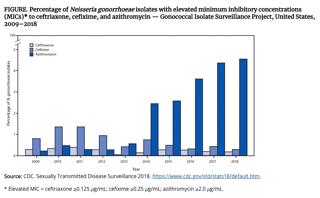
Educational Pearls: The CDC has made new formal recommendations for treating Gonorrhea due to increasing resistance to Rocephin and Azithromycin. New recommendations: Confirmed gonorrhea: Ceftriaxo...

29 Dec 20204min

Podcast 625: High Altitude Cerebral Edema (HACE)

Podcast 625: High Altitude Cerebral Edema (HACE)

Contributor: Tom Seibert, MD Educational Pearls: High altitude cerebral edema (HACE) is the end stage of acute mountain sickness and is diagnosed when patients develop neurologic dysfunction, ataxia,...

28 Dec 20202min

Podcast 624: Timing and Tips on Sepsis

Podcast 624: Timing and Tips on Sepsis

Contributor: Don Stader, MD Educational Pearls: Time can be an important factor in outcomes regarding sepsis including mortality Emphasis has grown on early administration of antibiotics and IV fluid...

22 Dec 20203min

Podcast 623: Acute Mountain Sickness

Podcast 623: Acute Mountain Sickness

Contributor: Tom Seibert, MD Educational Pearls: Acute Mountain sickness (AMS) can cause headache along with fatigue, nausea, vomiting, insomnia Typically occurs above 6500 feet (not 65,000) in eleva...

21 Dec 20204min

Podcast 622: High Altitude Pulmonary Edema (HAPE)

Podcast 622: High Altitude Pulmonary Edema (HAPE)

Contributor: Thomas Seibert, MD Educational Pearls: High Altitude Pulmonary Edema (HAPE) typically occurs 2-4 days after arriving at elevation Symptoms include: Fatigue Dyspnea Cough Treatment in...

15 Dec 20204min

Podcast 621: Pediatric Psychosis

Podcast 621: Pediatric Psychosis

Contributor: Aaron Lessen, MD Educational Pearls: Schizophrenia typically doesn't present until age 13 and has a prodrome Prodrome includes months of gradual changes in behavior, starting with negati...

14 Dec 20203min

Populärt inom Vetenskap

p3-dystopia
dumma-manniskor
svd-nyhetsartiklar
allt-du-velat-veta
kapitalet-en-podd-om-ekonomi
det-morka-psyket
pojkmottagningen
dumforklarat
rss-vetenskapsradion-2
halsorevolutionen
rss-vetenskapsradion
rss-ufo-bortom-rimligt-tvivel
sexet
rss-spraket
rss-experimentet
rss-broccolipodden-en-podcast-som-inte-handlar-om-broccoli
medicinvetarna
vetenskapsradion
rss-arkeologi-historia-podden-som-graver-i-vart-kulturlandskap
bildningspodden