Podcast 912: Narcan (Naloxone)

Podcast 912: Narcan (Naloxone)

Contributor: Taylor Lynch, MD

Educational Pearls:

Opioid Epidemic- quick facts

  • Drug overdoses, primarily driven by opioids, have become the leading cause of accidental death in the U.S. for individuals aged 18-45.

  • In 2021, opioids were involved in nearly 75% of all drug overdose deaths

  • The rise of synthetic opioids like fentanyl, which is much more potent than heroin or prescription opioids, has played a major role in the increase in overdose deaths

What is Narcan AKA Naloxone?

  • Competitive opioid antagonist. It sits on the receptor but doesn't activate it.

When do we give Narcan?

  • Respiratory rate less than 8-10 breaths per minute

Should you check the pupils?

  • An opioid overdose classically presents with pinpoint pupils BUT…

  • Hypercapnia from bradypnea can normalize the pupils

  • Taking other drugs at the same time like cocaine or meth can counteract the pupillary effects

  • Basilar stroke could also cause small pupils, so don't anchor on an opioid overdose

How does Narcan affect the body?

  • Relatively safe even if the patient is not experiencing an opioid overdose. So when in doubt, give the Narcan.

  • What if the patient is opioid naive and overdosing?

    • Use a large dose given that this patient is unlikely to withdraw

    • 0.4-2 mg every 3-5 minutes

  • What if the patient is a chronic opioid user

    • Use a smaller dose such as 0.04-0.4 mg to avoid precipitated withdrawal

How fast does Narcan work?

  • Given intravenously (IV), onset is 1-2 min

  • Given intranasal (IN), onset is 3-4 min

  • Given intramuscularly (IM), onset is ~6 min

  • Duration of action is 60 mins, with a range of 20-90 minutes

How does that compare to the duration of action of common opioids?

  • Heroine lasts 60 min

  • Fentanyl lasts 30-60 min, depending on route

  • Carfentanyl lasts ~5 hrs

  • Methadone lasts 12-24 hrs

  • So we really need to be conscious about redosing

How do you monitor someone treated with Narcan?

  • Pay close attention to the end-tidal CO2 to ensure that are ventilating appropriately

  • Be cautious with giving O2 as it might mask hypoventilation

  • Watch the respiratory rate

  • Give Narcan as needed

  • Observe for at least 2-4 hours after the last Narcan dose

  • Larger the dose, longer the observation period

Who gets a drip?

  • If they have gotten ~3 doses, time to start the drip

  • Start at 2/3rds last effective wake-up dose

Complications

  • Flash pulm edema

    • 0.2-3.6% complication rate

    • Might be from the catecholamine surge from abrupt wake-up

    • Might also be from large inspiratory effort against a partially closed glottis which creates too much negative pressure

    • Treat with BIPAP if awake and intubation if not awake

Should you give Narcan in cardiac arrest?

  • Short answer no. During ACLS you take over breathing for the patient and that is pretty much the only way that Narcan can help

  • Just focus on high quality CPR

References

Summarized by Jeffrey Olson MS2 | Edited by Meg Joyce & Jorge Chalit, OMSII

Avsnitt(1144)

Podcast 759: Hyperkalemia and Myth of Kayexalate

Podcast 759: Hyperkalemia and Myth of Kayexalate

Contributor: Nick Tsipis, MD Educational Pearls: Acute hyperkalemia is characterized as serum K of 5.4 or higher in non-hemolyzed samples Hyperkalemia is commonly associated with end stage renal dise...

28 Feb 20225min

Mental Health Monthly #10: The Elderly Psychotic Patient

Mental Health Monthly #10: The Elderly Psychotic Patient

Dr. Kim Nordstrom, a practicing emergency psychiatrist and associate professor with the University of Colorado, discusses various work-up models alongside valuable bedside tools for elderly patients w...

23 Feb 202211min
Podcast 758: Vaccine Safety During Pregnancy

Podcast 758: Vaccine Safety During Pregnancy

Contributor: Nick Tsipis, MD Educational Pearls: Observational study in Israel evaluated cohort of vaccinated pregnant women receiving the initial Pfizer-BioNTech COVID-19 mRNA vaccine Looked at 24,...

22 Feb 20223min
Podcast 757: History of Fevers and Thermometers

Podcast 757: History of Fevers and Thermometers

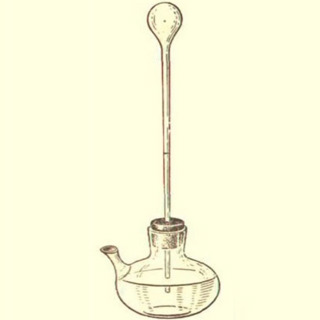
Contributor: Chris Holmes, MD Educational Pearls: Dr. Carl Reinhold August Wunderlich, of the mid-1800s, was the first physician to suggest temperature was related to disease processes and his measur...

21 Feb 20226min
Podcast 756: Violence Towards ED Staff

Podcast 756: Violence Towards ED Staff

Contributor: Jared Scott, MD Educational Pearls: ACEP survey was done in 2018 looking at violence towards staff in the ED with only 10% of those solicited responding Survey found 47% of respondents w...

15 Feb 20224min
Podcast 755: Tubo-Ovarian Abscess

Podcast 755: Tubo-Ovarian Abscess

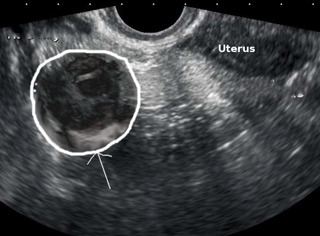
Contributor: Peter Bakes, MD Educational Pearls: Tubo-ovarian abscess is a rare complication of pelvic inflammatory disease Usually presents with chief complaint of abdominal pain and is often diagno...

14 Feb 20223min
Podcast 754: Balanced Fluids vs. Normal Saline, The Battle Continues

Podcast 754: Balanced Fluids vs. Normal Saline, The Battle Continues

Contributor: Aaron Lessen, MD Educational Pearls: Normal saline is thought to interfere with renal function and cause an acidosis and balanced fluids (like lactated ringers) are a better option The S...

8 Feb 20223min
Podcast 753: Ring Cutting Raptors

Podcast 753: Ring Cutting Raptors

Contributor: Aaron Lessen, MD Educational Pearls: Techniques regarding ring removal in the ED were evaluated in a recent study which looked at using trauma shears versus the motorized ring cutters A ...

7 Feb 20222min

Populärt inom Vetenskap

p3-dystopia
svd-nyhetsartiklar
pojkmottagningen
dumma-manniskor
allt-du-velat-veta
kapitalet-en-podd-om-ekonomi
det-morka-psyket
rss-vetenskapsradion
rss-experimentet
rss-ufo-bortom-rimligt-tvivel
paranormalt-med-caroline-giertz
medicinvetarna
rss-vetenskapsradion-2
bildningspodden
halsorevolutionen
dumforklarat
vetenskapsradion
rss-broccolipodden-en-podcast-som-inte-handlar-om-broccoli
4health-med-anna-sparre
rss-spraket