Podcast 914: Neuroleptic Malignant Syndrome (NMS)

Podcast 914: Neuroleptic Malignant Syndrome (NMS)

Contributor: Taylor Lynch, MD

Educational Pearls:

What is NMS?

  • Neuroleptic Malignant Syndrome

  • Caused by anti-dopamine medication or rapid withdrawal of pro-dopamenergic medications

  • Mechanism is poorly understood

  • Life threatening

What medications can cause it?

  • Typical antipsychotics

    • Haloperidol, chlorpromazine, prochlorperazine, fluphenazine, trifluoperazine

  • Atypical antipsychotics

    • Less risk

    • Risperidone, clozapine, quetiapine, olanzapine, aripiprazole, ziprasidone

  • Anti-emetic agents with anti dopamine activity

    • Metoclopramide, promethazine, haloperidol

    • Not ondansetron

  • Abrupt withdrawal of levodopa

How does it present?

  • Slowly over 1-3 days (unlike serotonin syndrome which has a more acute onset)

  • Altered mental status, 82% of patients, typically agitated delirium with confusion

  • Peripheral muscle rigidity and decreased reflexes. AKA lead pipe rigidity. (As opposed to clonus and hyperreflexia in serotonin syndrome)

  • Hyperthermia (>38C seen in 87% of patients)

  • Can also have tachycardia, labile blood pressures, tachypnea, and tremor

How is it diagnosed?

  • Clinical diagnosis, focus on the timing of symptoms

  • No confirmatory lab test but can see possible elevated CK levels and WBC of 10-40k with a left shift

What else might be on the differential?

  • Sepsis

  • CNS infections

  • Heat stroke

  • Agitated delirium

  • Status eptilepticus

  • Drug induced extrapyramidal symptoms

  • Serotonin syndrome

  • Malignant hyperthermia

What is the treatment?

  • Start with ABC's

  • Stop all anti-dopaminergic meds and restart pro-dopamine meds if recently stopped

  • Maintain urine output with IV fluids if needed to avoid rhabdomyolysis

  • Active or passive cooling if needed

  • Benzodiazapines, such as lorazepam 1-2 mg IV q 4hrs

What are active medical therapies?

  • Controversial treatments

  • Bromocriptine, dopamine agonist

  • Dantrolene, classically used for malignant hyperthermia

  • Amantadine, increases dopamine release

  • Use as a last resort

Dispo?

  • Mortality is around 10% if not recognized and treated

  • Most patients recover in 2-14 days

  • Must wait 2 weeks before restarting any medications

References

  • Oruch, R., Pryme, I. F., Engelsen, B. A., & Lund, A. (2017). Neuroleptic malignant syndrome: an easily overlooked neurologic emergency. Neuropsychiatric disease and treatment, 13, 161–175. https://doi.org/10.2147/NDT.S118438

  • Tormoehlen, L. M., & Rusyniak, D. E. (2018). Neuroleptic malignant syndrome and serotonin syndrome. Handbook of clinical neurology, 157, 663–675. https://doi.org/10.1016/B978-0-444-64074-1.00039-2

  • Velamoor, V. R., Norman, R. M., Caroff, S. N., Mann, S. C., Sullivan, K. A., & Antelo, R. E. (1994). Progression of symptoms in neuroleptic malignant syndrome. The Journal of nervous and mental disease, 182(3), 168–173. https://doi.org/10.1097/00005053-199403000-00007

  • Ware, M. R., Feller, D. B., & Hall, K. L. (2018). Neuroleptic Malignant Syndrome: Diagnosis and Management. The primary care companion for CNS disorders, 20(1), 17r02185. https://doi.org/10.4088/PCC.17r02185

Summarized by Jeffrey Olson MS2 | Edited by Meg Joyce & Jorge Chalit, OMSIII

Avsnitt(1149)

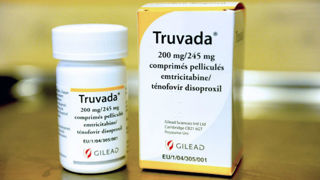
Podcast #297: Truvada

Podcast #297: Truvada

Educational Pearls Truvada (Emtricitabine/tenofovir) is a combination nucleotide reverse transcriptase inhibitor that can be used as pre-exposure prophylaxis (PrEP) for HIV. It has been shown to dram...

31 Jan 20184min
Podcast #296: Synthetic Cannabinoids

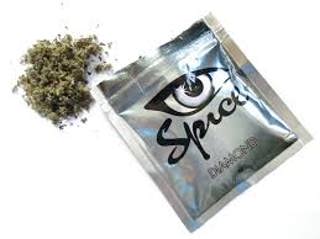
Podcast #296: Synthetic Cannabinoids

Author: Rachael Duncan, PharmD Educational Pearls A NEJM study report in July 2016 discussed a situation in New York during which 30 people became "zombie-like" after ingesting synthetic cannabinoids...

29 Jan 20185min
Podcast #295: UTI

Podcast #295: UTI

Author: Sam Killian, M.D. Educational Pearls Traditionally, UTI diagnosis has been dependent on urine culture, urinalysis and clinical symptoms. But a recent study casts some doubt on the utility of ...

26 Jan 20184min
Podcast #294: Rhabdomyolysis

Podcast #294: Rhabdomyolysis

Author: Michael Hunt, M.D. Educational Pearls Rhabdomyolysis is caused by the destruction of skeletal muscle that leads to the release of myoglobin, which causes renal failure. It presents with pain ...

22 Jan 20183min

Podcast #293: Transient Global Amnesia

Podcast #293: Transient Global Amnesia

Author: Sam Killian, M.D. Educational Pearls Transient global amnesia is a paroxysmal, transient memory issue. Remote and immediate memory is preserved, but new memories cannot be made. Patients will...

19 Jan 20184min
Podcast #292: Hypercalcemia

Podcast #292: Hypercalcemia

Author: John Winkler, M.D. Educational Pearls Normally, the parathyroid is the master regulator of serum Ca levels. It secretes PTH, which stimulates calcium uptake from the bone and gut. Causes of ...

17 Jan 20182min
Podcast #291: Cincinnati Stroke Scale

Podcast #291: Cincinnati Stroke Scale

Author: Nick Hatch, M.D. Educational Pearls The Cincinnati Stroke Scale uses 3 measures to screen for ischemic stroke. The measures are: facial asymmetry, speech quality and arm drift. This scale is ...

15 Jan 20182min
Podcast #290: The Biochemistry of DKA

Podcast #290: The Biochemistry of DKA

Author: Dave Rosenberg, M.D. Educational Pearls DKA commonly causes hyperkalemia, leading to peaked T-waves on ECG. However, DKA causes hypokalemia at the same time. In DKA, glucose cannot be taken i...

12 Jan 20186min

Populärt inom Vetenskap

dumma-manniskor
p3-dystopia
svd-nyhetsartiklar
allt-du-velat-veta
kapitalet-en-podd-om-ekonomi
rss-vetenskapsradion-2
medicinvetarna
det-morka-psyket
rss-vetenskapsradion
rss-ufo-bortom-rimligt-tvivel-2
sexet
bildningspodden
rss-experimentet
hacka-livet
paranormalt-med-caroline-giertz
dumforklarat
halsorevolutionen
rss-spraket
vetenskapsradion
rss-geopodden-2