Episode 921: Pediatric Hypoglycemia

Episode 921: Pediatric Hypoglycemia

Contributor: Taylor Lynch, MD

Educational Pearls:

When it comes to hypoglycemia, the age dictates possible causes

  • Neonate:

    • Hormonal deficiency

      • Congenital Adrenal Hyperplasia (21-hydroxylase deficiency, 11β-hydroxylase deficiency)

      • Primary or Secondary Adrenal Insufficiency leading to cortisol deficiency

      • Hypopituitarism

    • Inborn errors of metabolism

    • Systemic infection (Under 30 days old should trigger a full infectious workup)

  • Toddler

    • Accidental ingestions

      • Sulfonylureas such as glipizide or glyburide

  • Older children

    • Addison's Disease (Hypocortisolism)

    • Accidential or intentional ingestions

    • Exogenous insulin

How is it diagnosed?

  • Child or infant

    • Glucose <60

  • Newborn

    • Glucose <45 and symptomatic or glucose <35 and asymptomatic

Treatment

  • Awake: oral glucose

  • Altered: IV glucose

  • Rule of 50's. The dose you give times the concentration should equal 50

    • Neonate to 2 months get 5 mg/kg of D10W (5*10=50)

    • 2 months to 8 years old get 2 mg/kg of D25W (2*25=50)

    • Over 8 gets 1 mg/kg of D50W (1*50=50)

    • Bonus fact: Rough estimate of weight for a child is 2*patients age plus 8

  • Recheck sugar every 15 minutes

  • If they stay hypoglycemic give another bolus and consider starting a drip at 1.5 maintenance dose of D10NS.

  • If you don't have an IV you can consider glucagon at 0.03 mg/kg IM, although you might be better off trying glucose gel buccally.

  • If standard therapy still fails you can give hydrocortisone

    • 25 mg IV for neonates and infants

    • 50 mg IV for toddlers and smaller school aged children

    • 100 mg for anyone older than that

How do you test for exogenous insulin?

  • Check a c-peptide which would be low if a patient is taking exogenous insulin

References

  1. Lang, T. F., & Hussain, K. (2014). Pediatric hypoglycemia. Advances in clinical chemistry, 63, 211–245. https://doi.org/10.1016/b978-0-12-800094-6.00006-6

  2. Lee, S. C., Baranowski, E. S., Sakremath, R., Saraff, V., & Mohamed, Z. (2023). Hypoglycaemia in adrenal insufficiency. Frontiers in endocrinology, 14, 1198519. https://doi.org/10.3389/fendo.2023.1198519

  3. Thompson-Branch, A., & Havranek, T. (2017). Neonatal Hypoglycemia. Pediatrics in review, 38(4), 147–157. https://doi.org/10.1542/pir.2016-0063

Summarized by Jeffrey Olson, MS3 | Edited by Meg Joyce, MS1 & Jorge Chalit, OMS3

Donate: https://emergencymedicalminute.org/donate/

Avsnitt(1144)

Podcast #284: Plane Emergencies

Podcast #284: Plane Emergencies

Author: Erik Verzemneicks, M.D. Educational Pearls 1/600 flights has an on-board request for medical assistance. Most common complaints on board include: syncope, respiratory complaints, and GI compl...

29 Dec 20173min

Podcast #283: Snow Blindness

Podcast #283: Snow Blindness

Author: John Winkler, M.D. Educational Pearls Photokeratitis is a UV burn of the sclera and cornea, which can cause blindness. UV light causes eyelid swelling with diffuse scarring of the eye (wides...

27 Dec 20173min
Podcast #282: EKG Changes in DKA

Podcast #282: EKG Changes in DKA

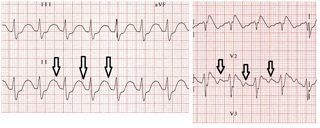
Author: Dave Rosenberg, M.D. Educational Pearls EKG changes that can be seen in DKA include ST elevation and peaked T-waves secondary to derangements in K levels. In DKA, serum K is high, but total ...

25 Dec 20173min

Deep Dive #8: Wintertime Wilderness Medicine

Deep Dive #8: Wintertime Wilderness Medicine

Author: John Winkler, M.D. Dr. Winkler shares his knowledge of wilderness medicine and provides insight on how to prevent and treat conditions such as hypothermia, frostbite and sun blindness. More im...

18 Dec 201729min
Podcast #281: Intracranial Hemorrhage Treatment

Podcast #281: Intracranial Hemorrhage Treatment

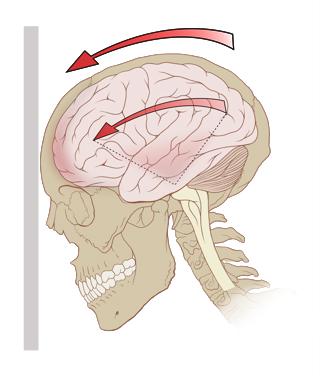
Podcast #281: Intracranial Hemorrhage Treatment Author: Don Stader, M.D. Educational Pearls Types of traumatic bleeds include subdural, epidural, and subarachnoid. Treatment for a traumatic bleed inc...

15 Dec 20172min

Podcast #280: Isolated Aphasia in Stroke

Podcast #280: Isolated Aphasia in Stroke

Author: Aaron Lessen, M.D. Educational Pearls Patients with an ischemic stroke from occlusion of the left middle cerebral artery often present with aphasia in addition to other neurological deficits....

11 Dec 20171min
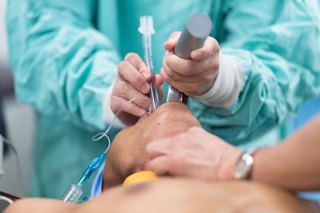
Podcast #279: Sedation After Intubation

Podcast #279: Sedation After Intubation

Author: Aaron Lessen, M.D. Educational Pearls Post-intubation care should always include pain control and adequate sedation. Commonly used sedation agents include propofol, ketamine and versed. Howev...

8 Dec 20171min
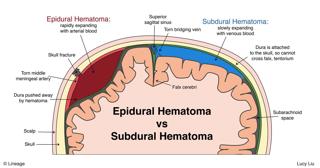
Podcast #278: Subdural Hematomas

Podcast #278: Subdural Hematomas

Educational Pearls Subdural hematomas can happen in the elderly because of brain atrophy, and can manifest with neurological deficit. Subdural hematomas are caused by rupture of the bridging veins of...

6 Dec 20172min

Populärt inom Vetenskap

p3-dystopia
svd-nyhetsartiklar
pojkmottagningen
dumma-manniskor
allt-du-velat-veta
kapitalet-en-podd-om-ekonomi
det-morka-psyket
rss-vetenskapsradion
rss-experimentet
rss-ufo-bortom-rimligt-tvivel
paranormalt-med-caroline-giertz
medicinvetarna
rss-vetenskapsradion-2
bildningspodden
halsorevolutionen
dumforklarat
vetenskapsradion
rss-broccolipodden-en-podcast-som-inte-handlar-om-broccoli
4health-med-anna-sparre
rss-spraket