Episode 921: Pediatric Hypoglycemia

Episode 921: Pediatric Hypoglycemia

Contributor: Taylor Lynch, MD

Educational Pearls:

When it comes to hypoglycemia, the age dictates possible causes

  • Neonate:

    • Hormonal deficiency

      • Congenital Adrenal Hyperplasia (21-hydroxylase deficiency, 11β-hydroxylase deficiency)

      • Primary or Secondary Adrenal Insufficiency leading to cortisol deficiency

      • Hypopituitarism

    • Inborn errors of metabolism

    • Systemic infection (Under 30 days old should trigger a full infectious workup)

  • Toddler

    • Accidental ingestions

      • Sulfonylureas such as glipizide or glyburide

  • Older children

    • Addison's Disease (Hypocortisolism)

    • Accidential or intentional ingestions

    • Exogenous insulin

How is it diagnosed?

  • Child or infant

    • Glucose <60

  • Newborn

    • Glucose <45 and symptomatic or glucose <35 and asymptomatic

Treatment

  • Awake: oral glucose

  • Altered: IV glucose

  • Rule of 50's. The dose you give times the concentration should equal 50

    • Neonate to 2 months get 5 mg/kg of D10W (5*10=50)

    • 2 months to 8 years old get 2 mg/kg of D25W (2*25=50)

    • Over 8 gets 1 mg/kg of D50W (1*50=50)

    • Bonus fact: Rough estimate of weight for a child is 2*patients age plus 8

  • Recheck sugar every 15 minutes

  • If they stay hypoglycemic give another bolus and consider starting a drip at 1.5 maintenance dose of D10NS.

  • If you don't have an IV you can consider glucagon at 0.03 mg/kg IM, although you might be better off trying glucose gel buccally.

  • If standard therapy still fails you can give hydrocortisone

    • 25 mg IV for neonates and infants

    • 50 mg IV for toddlers and smaller school aged children

    • 100 mg for anyone older than that

How do you test for exogenous insulin?

  • Check a c-peptide which would be low if a patient is taking exogenous insulin

References

  1. Lang, T. F., & Hussain, K. (2014). Pediatric hypoglycemia. Advances in clinical chemistry, 63, 211–245. https://doi.org/10.1016/b978-0-12-800094-6.00006-6

  2. Lee, S. C., Baranowski, E. S., Sakremath, R., Saraff, V., & Mohamed, Z. (2023). Hypoglycaemia in adrenal insufficiency. Frontiers in endocrinology, 14, 1198519. https://doi.org/10.3389/fendo.2023.1198519

  3. Thompson-Branch, A., & Havranek, T. (2017). Neonatal Hypoglycemia. Pediatrics in review, 38(4), 147–157. https://doi.org/10.1542/pir.2016-0063

Summarized by Jeffrey Olson, MS3 | Edited by Meg Joyce, MS1 & Jorge Chalit, OMS3

Donate: https://emergencymedicalminute.org/donate/

Det här avsnittet är hämtat från ett öppet RSS-flöde och publiceras inte av Podme. Det kan innehålla reklam.

Avsnitt(1159)

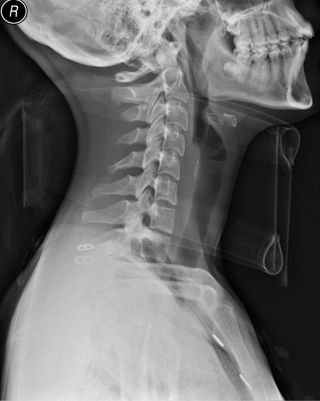
Podcast #191: Blunt Cervical Trauma

Podcast #191: Blunt Cervical Trauma

Author: Chris Holmes M.D. Educational Pearls: Mechanism of injury involves hyperextension/hyperflexion Pathophysiology: inside of the arteries in the neck becomes disrupted, similar to a dissection. ...

18 Apr 20172min
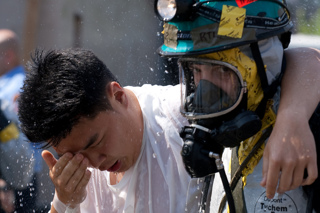
Deep Dive #2: Biological Terrorism

Deep Dive #2: Biological Terrorism

Author: Michael Hunt M.D. Dr. Hunt shares his wealth of experience with biological terrorism over the course of his career.

16 Apr 201728min
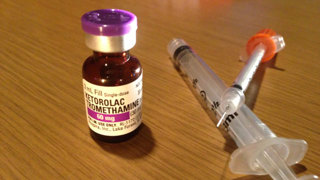
Podcast #190: Toradol Dosing

Podcast #190: Toradol Dosing

Author: Rachel Duncan, PharmD BCPS Educational Pearls: Toradol (Ketorolac) is an NSAID used for its anti-inflammatory properties In practice, the common dosages are 30mg IV or 60mg IM. Clinical conce...

14 Apr 20172min
Podcast #189: Caffeine

Podcast #189: Caffeine

Author: Donald Stader M.D. Educational Pearls: Coffee originates from Ethiopia. Its "active ingredient" is caffeine. Caffeine is a xanthine alkaloid used in medicine to control headache and as a neo...

12 Apr 20173min

Podcast #188: Monoarthritis

Podcast #188: Monoarthritis

Author: Peter Bakes M.D. Educational Pearls: Some common causes of monoarticular arthritis include: crystal arthropathies (gout and pseudogout), infection (septic joint), reactive arthritis and acute...

10 Apr 20175min
Podcast #187: Mumps

Podcast #187: Mumps

Author: Gretchen Hinson M.D. Educational Pearls: The key imaging of a mumps patient is "chipmunk cheeks" or parotitis. The swelling can extend almost to the ears and can be extremely painful - in abo...

29 Mars 20174min
Podcast #186: IV Contrast

Podcast #186: IV Contrast

Author: Aaron Lessen M.D. Educational Pearls: Regularly a patient's creatinine level is an important factor in determining whether a patient will receive IV contrast with a CT because it is thought t...

21 Mars 20172min

Deep Dive #1: Travel Medicine

Deep Dive #1: Travel Medicine

Author: Peter Bakes M.D. Dr. Peter Bakes takes us through how he developed his interest in travel medicine as well as some of the more interesting aspects of the specialty.

11 Mars 201732min

Populärt inom Vetenskap

dumma-manniskor
allt-du-velat-veta
p3-dystopia
kapitalet-en-podd-om-ekonomi
rss-vetenskapsradion
rss-ufobortom-rimligt-tvivel
rss-vetenskapsradion-2
det-morka-psyket
rss-spraket
bildningspodden
medicinvetarna
paranormalt-med-caroline-giertz
svd-nyhetsartiklar
sexet
vetenskapsradion
rss-ronden
barnpsykologerna
ufo-sverige
halsorevolutionen
hacka-livet