Episode 921: Pediatric Hypoglycemia

Episode 921: Pediatric Hypoglycemia

Contributor: Taylor Lynch, MD

Educational Pearls:

When it comes to hypoglycemia, the age dictates possible causes

  • Neonate:

    • Hormonal deficiency

      • Congenital Adrenal Hyperplasia (21-hydroxylase deficiency, 11β-hydroxylase deficiency)

      • Primary or Secondary Adrenal Insufficiency leading to cortisol deficiency

      • Hypopituitarism

    • Inborn errors of metabolism

    • Systemic infection (Under 30 days old should trigger a full infectious workup)

  • Toddler

    • Accidental ingestions

      • Sulfonylureas such as glipizide or glyburide

  • Older children

    • Addison's Disease (Hypocortisolism)

    • Accidential or intentional ingestions

    • Exogenous insulin

How is it diagnosed?

  • Child or infant

    • Glucose <60

  • Newborn

    • Glucose <45 and symptomatic or glucose <35 and asymptomatic

Treatment

  • Awake: oral glucose

  • Altered: IV glucose

  • Rule of 50's. The dose you give times the concentration should equal 50

    • Neonate to 2 months get 5 mg/kg of D10W (5*10=50)

    • 2 months to 8 years old get 2 mg/kg of D25W (2*25=50)

    • Over 8 gets 1 mg/kg of D50W (1*50=50)

    • Bonus fact: Rough estimate of weight for a child is 2*patients age plus 8

  • Recheck sugar every 15 minutes

  • If they stay hypoglycemic give another bolus and consider starting a drip at 1.5 maintenance dose of D10NS.

  • If you don't have an IV you can consider glucagon at 0.03 mg/kg IM, although you might be better off trying glucose gel buccally.

  • If standard therapy still fails you can give hydrocortisone

    • 25 mg IV for neonates and infants

    • 50 mg IV for toddlers and smaller school aged children

    • 100 mg for anyone older than that

How do you test for exogenous insulin?

  • Check a c-peptide which would be low if a patient is taking exogenous insulin

References

  1. Lang, T. F., & Hussain, K. (2014). Pediatric hypoglycemia. Advances in clinical chemistry, 63, 211–245. https://doi.org/10.1016/b978-0-12-800094-6.00006-6

  2. Lee, S. C., Baranowski, E. S., Sakremath, R., Saraff, V., & Mohamed, Z. (2023). Hypoglycaemia in adrenal insufficiency. Frontiers in endocrinology, 14, 1198519. https://doi.org/10.3389/fendo.2023.1198519

  3. Thompson-Branch, A., & Havranek, T. (2017). Neonatal Hypoglycemia. Pediatrics in review, 38(4), 147–157. https://doi.org/10.1542/pir.2016-0063

Summarized by Jeffrey Olson, MS3 | Edited by Meg Joyce, MS1 & Jorge Chalit, OMS3

Donate: https://emergencymedicalminute.org/donate/

Avsnitt(1144)

Podcast 737: TBI Outcomes

Podcast 737: TBI Outcomes

Contributor: Aaron Lessen, MD Educational Pearls: Study evaluating patient outcomes after traumatic brain injury (TBI) over 1 year Trial followed patients with severe TBI (GCS 3-8) and moderate TBI (...

13 Dec 20212min

Podcast 736: Seasonal Affective Disorder

Podcast 736: Seasonal Affective Disorder

Contributor: Adam Barkin, MD Educational Pearls: Seasonal Affective Disorder (SAD) a form of seasonal depression which can result in trouble sleeping, concentration difficulties, changes in appetite,...

7 Dec 20213min

Podcast 735: End Tidal CO2 and BiPAP

Podcast 735: End Tidal CO2 and BiPAP

Contributor: Aaron Lessen, MD Educational Pearls: End tidal CO2 is accurate to 1-4 mmHg in intubated patient but use with those on positive pressure ventilation like BiPAP is unclear Study looked at ...

6 Dec 20212min

Podcast 734: Push Dose Antibiotics

Podcast 734: Push Dose Antibiotics

Contributor: Aaron Lessen, MD Educational Pearls: Recent study at a hospital in Chicago with a shortage of normal saline decided to push IV ceftriaxone rather than the typical infusion of the antibio...

1 Dec 20212min

Podcast 733: Nitric Oxide for COVID

Podcast 733: Nitric Oxide for COVID

Contributor: Nick Hatch, MD Educational Pearls: Inhaled nitric oxide or Flolan may be considered in COVID Flolan is a prostaglandin can be inhaled or given IV These medications are classically us...

30 Nov 20215min

Podcast 732: Organophosphate Toxicity

Podcast 732: Organophosphate Toxicity

Educational Pearls: Organophosphates affect the cholinergic system by inhibiting acetylcholinesterase affecting muscarinic and nicotinic receptors Symptoms include lacrimation, salivation, bronchocon...

23 Nov 20215min

Podcast 731: Fluid Resuscitation in Burns

Podcast 731: Fluid Resuscitation in Burns

Contributor: Chris Holmes, MD Educational Pearls: Parkland Formula: 4 mL x [Total Body Surface Area Burned (%)] x [body weight (kg)] given in 24 hours 50% given over 8 hours and 50% given over the ...

22 Nov 20214min
Podcast 730: Alternative Treatment for Gonorrhea

Podcast 730: Alternative Treatment for Gonorrhea

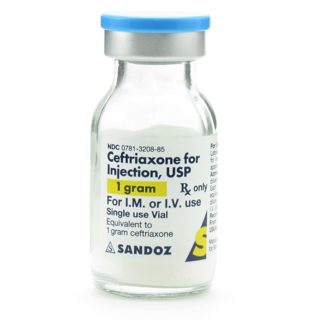
Educational Pearls: Recent updates to treatment guidelines increased the 250 mg ceftriaxone IM dose to 500 mg ceftriaxone IM IM dosing can be very painful, so other methods of administration can help...

16 Nov 20213min

Populärt inom Vetenskap

p3-dystopia
svd-nyhetsartiklar
pojkmottagningen
dumma-manniskor
allt-du-velat-veta
kapitalet-en-podd-om-ekonomi
det-morka-psyket
rss-vetenskapsradion
rss-ufo-bortom-rimligt-tvivel
rss-experimentet
paranormalt-med-caroline-giertz
medicinvetarna
bildningspodden
halsorevolutionen
rss-vetenskapsradion-2
4health-med-anna-sparre
rss-spraket
hacka-livet
rss-broccolipodden-en-podcast-som-inte-handlar-om-broccoli
sexet