Episode 921: Pediatric Hypoglycemia

Episode 921: Pediatric Hypoglycemia

Contributor: Taylor Lynch, MD

Educational Pearls:

When it comes to hypoglycemia, the age dictates possible causes

  • Neonate:

    • Hormonal deficiency

      • Congenital Adrenal Hyperplasia (21-hydroxylase deficiency, 11β-hydroxylase deficiency)

      • Primary or Secondary Adrenal Insufficiency leading to cortisol deficiency

      • Hypopituitarism

    • Inborn errors of metabolism

    • Systemic infection (Under 30 days old should trigger a full infectious workup)

  • Toddler

    • Accidental ingestions

      • Sulfonylureas such as glipizide or glyburide

  • Older children

    • Addison's Disease (Hypocortisolism)

    • Accidential or intentional ingestions

    • Exogenous insulin

How is it diagnosed?

  • Child or infant

    • Glucose <60

  • Newborn

    • Glucose <45 and symptomatic or glucose <35 and asymptomatic

Treatment

  • Awake: oral glucose

  • Altered: IV glucose

  • Rule of 50's. The dose you give times the concentration should equal 50

    • Neonate to 2 months get 5 mg/kg of D10W (5*10=50)

    • 2 months to 8 years old get 2 mg/kg of D25W (2*25=50)

    • Over 8 gets 1 mg/kg of D50W (1*50=50)

    • Bonus fact: Rough estimate of weight for a child is 2*patients age plus 8

  • Recheck sugar every 15 minutes

  • If they stay hypoglycemic give another bolus and consider starting a drip at 1.5 maintenance dose of D10NS.

  • If you don't have an IV you can consider glucagon at 0.03 mg/kg IM, although you might be better off trying glucose gel buccally.

  • If standard therapy still fails you can give hydrocortisone

    • 25 mg IV for neonates and infants

    • 50 mg IV for toddlers and smaller school aged children

    • 100 mg for anyone older than that

How do you test for exogenous insulin?

  • Check a c-peptide which would be low if a patient is taking exogenous insulin

References

  1. Lang, T. F., & Hussain, K. (2014). Pediatric hypoglycemia. Advances in clinical chemistry, 63, 211–245. https://doi.org/10.1016/b978-0-12-800094-6.00006-6

  2. Lee, S. C., Baranowski, E. S., Sakremath, R., Saraff, V., & Mohamed, Z. (2023). Hypoglycaemia in adrenal insufficiency. Frontiers in endocrinology, 14, 1198519. https://doi.org/10.3389/fendo.2023.1198519

  3. Thompson-Branch, A., & Havranek, T. (2017). Neonatal Hypoglycemia. Pediatrics in review, 38(4), 147–157. https://doi.org/10.1542/pir.2016-0063

Summarized by Jeffrey Olson, MS3 | Edited by Meg Joyce, MS1 & Jorge Chalit, OMS3

Donate: https://emergencymedicalminute.org/donate/

Avsnitt(1144)

Podcast 685: Cultural Sensitivity with LGBTIQ+ Patients

Podcast 685: Cultural Sensitivity with LGBTIQ+ Patients

Contributor: Dr. Nick Gorton, MD Educational Pearls: Use transgender people's correct names and pronouns, the Russell study found a 56% reduction in suicide behavior with chosen name usage ⅕ to ½ of ...

28 Juni 202110min
Podcast 684: Acidosis

Podcast 684: Acidosis

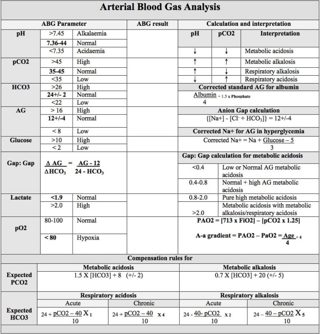
Contributor:  Nick Tsipis, MD Educational Pearls: pH 7.45=alkalemia If pH low and pCO2 high, indicates a respiratory acidosis If pH low and pCO2 low, indicates metabolic acidosis After determining ty...

23 Juni 20216min
Podcast 683: Zofran vs. Haldol for Cannabinoid Hyperemesis Syndrome

Podcast 683: Zofran vs. Haldol for Cannabinoid Hyperemesis Syndrome

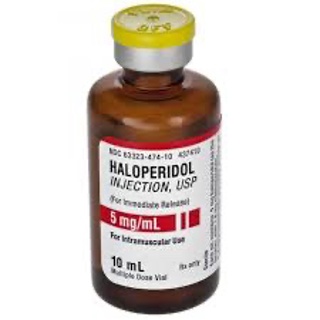
Contributor: Jared Scott, MD Educational Pearls: Around 30 patients with cannabinoid hyperemesis syndrome (CHS) randomized treatment in three arms with 8mg Zofran, Haldol 0.05 mg/kg, and Haldol 0.1 ...

22 Juni 20215min

Podcast 682: Snake Bites

Podcast 682: Snake Bites

Contributor: Gretchen Hinson, MD Educational Pearls: Pit vipers include cottonmouths, rattlesnakes, and copperheads All have folding long fangs, triangular face, and elliptical pupils About 5,00...

21 Juni 20216min

Podcast 681: Internal Hernias

Podcast 681: Internal Hernias

Contributor: Adam Barkin, MD Educational Pearls: Internal hernias, when bowel herniates through iatrogenic or congenital defect in mesentery, represent 1-6% of all small bowel obstructions Mortality...

16 Juni 20215min

Podcast 680: Coronary Artery Dissection

Podcast 680: Coronary Artery Dissection

Contributor: Adam Barkin, MD Educational Pearls: Spontaneous coronary artery dissection (SCAD) is the most common cause of acute MI in women under 50 years old Risk factors include fibromuscular dys...

15 Juni 20214min
Podcast 679: Antibiotics for CAP

Podcast 679: Antibiotics for CAP

Contributor: Peter Bakes, MD Educational Pearls: Community-acquired pneumonia (CAP) is normally stratified into outpatient-candidates vs. inpatient candidates for treatment For outpatient treatment,...

9 Juni 20217min
Podcast 678: ECMO for Refractory VFib

Podcast 678: ECMO for Refractory VFib

Contributor: Aaron Lessen, MD Educational Pearls: Refractory ventricular fibrillation, defined as 3 defibrillation shocks without resolution, was studied via RCT looking to compare ECMO with cardiac...

8 Juni 20213min

Populärt inom Vetenskap

p3-dystopia
svd-nyhetsartiklar
pojkmottagningen
dumma-manniskor
allt-du-velat-veta
kapitalet-en-podd-om-ekonomi
det-morka-psyket
rss-vetenskapsradion
rss-experimentet
rss-ufo-bortom-rimligt-tvivel
medicinvetarna
paranormalt-med-caroline-giertz
bildningspodden
rss-vetenskapsradion-2
halsorevolutionen
dumforklarat
vetenskapsradion
hacka-livet
rss-spraket
rss-broccolipodden-en-podcast-som-inte-handlar-om-broccoli