Episode 921: Pediatric Hypoglycemia

Episode 921: Pediatric Hypoglycemia

Contributor: Taylor Lynch, MD

Educational Pearls:

When it comes to hypoglycemia, the age dictates possible causes

  • Neonate:

    • Hormonal deficiency

      • Congenital Adrenal Hyperplasia (21-hydroxylase deficiency, 11β-hydroxylase deficiency)

      • Primary or Secondary Adrenal Insufficiency leading to cortisol deficiency

      • Hypopituitarism

    • Inborn errors of metabolism

    • Systemic infection (Under 30 days old should trigger a full infectious workup)

  • Toddler

    • Accidental ingestions

      • Sulfonylureas such as glipizide or glyburide

  • Older children

    • Addison's Disease (Hypocortisolism)

    • Accidential or intentional ingestions

    • Exogenous insulin

How is it diagnosed?

  • Child or infant

    • Glucose <60

  • Newborn

    • Glucose <45 and symptomatic or glucose <35 and asymptomatic

Treatment

  • Awake: oral glucose

  • Altered: IV glucose

  • Rule of 50's. The dose you give times the concentration should equal 50

    • Neonate to 2 months get 5 mg/kg of D10W (5*10=50)

    • 2 months to 8 years old get 2 mg/kg of D25W (2*25=50)

    • Over 8 gets 1 mg/kg of D50W (1*50=50)

    • Bonus fact: Rough estimate of weight for a child is 2*patients age plus 8

  • Recheck sugar every 15 minutes

  • If they stay hypoglycemic give another bolus and consider starting a drip at 1.5 maintenance dose of D10NS.

  • If you don't have an IV you can consider glucagon at 0.03 mg/kg IM, although you might be better off trying glucose gel buccally.

  • If standard therapy still fails you can give hydrocortisone

    • 25 mg IV for neonates and infants

    • 50 mg IV for toddlers and smaller school aged children

    • 100 mg for anyone older than that

How do you test for exogenous insulin?

  • Check a c-peptide which would be low if a patient is taking exogenous insulin

References

  1. Lang, T. F., & Hussain, K. (2014). Pediatric hypoglycemia. Advances in clinical chemistry, 63, 211–245. https://doi.org/10.1016/b978-0-12-800094-6.00006-6

  2. Lee, S. C., Baranowski, E. S., Sakremath, R., Saraff, V., & Mohamed, Z. (2023). Hypoglycaemia in adrenal insufficiency. Frontiers in endocrinology, 14, 1198519. https://doi.org/10.3389/fendo.2023.1198519

  3. Thompson-Branch, A., & Havranek, T. (2017). Neonatal Hypoglycemia. Pediatrics in review, 38(4), 147–157. https://doi.org/10.1542/pir.2016-0063

Summarized by Jeffrey Olson, MS3 | Edited by Meg Joyce, MS1 & Jorge Chalit, OMS3

Donate: https://emergencymedicalminute.org/donate/

Avsnitt(1145)

Podcast 591: Pediatric Documentation Pearls

Podcast 591: Pediatric Documentation Pearls

Emergency Medical Minute collaborated with CarePoint Health in early March for a night of education on Pediatric Emergencies at a local Denver brewery for our latest Brewcast. Pediatric patients requi...

31 Aug 202011min
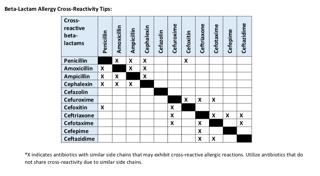
Pharmacy Phriday #2: Penicillin and Cephalosporin Allergies

Pharmacy Phriday #2: Penicillin and Cephalosporin Allergies

The penicillin and cephalosporin drug classes include many first line drug options for infectious disease although high rates of self-reported allergies may cause physicians to seek alternative option...

28 Aug 202014min
Mental Health Monthly #4: Trauma, Loss and Grief in First Responders Heightened by COVID-19

Mental Health Monthly #4: Trauma, Loss and Grief in First Responders Heightened by COVID-19

Trauma and loss are common issues faced by emergency personnel and first responders. These challenges have since been heightened by the COVID-19 pandemic. On this installment of Mental Health Monthly,...

26 Aug 202020min
Podcast 590: Esophageal Food Impactions

Podcast 590: Esophageal Food Impactions

Contributor: Aaron Lessen, MD Educational Pearls: Carbonated beverages have shown efficacy in helping patients spontaneously pass esophageal food impactions Glucagon, while historically used for trea...

25 Aug 20202min
Podcast 589:  Management of Dental Trauma

Podcast 589: Management of Dental Trauma

Contributor: Peter Bakes, MD Educational Pearls: Dental fractures are described by the Ellis classifications, which are based on the involvement of layers of the teeth: Ellis I: involvement of the ...

24 Aug 20206min
Pharmacy Friday #1: Antibiotic Alternatives to Fluoroquinolones for Infectious Disease

Pharmacy Friday #1: Antibiotic Alternatives to Fluoroquinolones for Infectious Disease

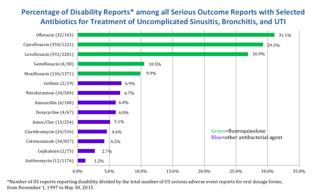
Welcome to EMM's first Pharmacy Friday where we dive deeper on a certain pharmacological topic as it pertains to emergency medicine. Dr. Rachael Duncan, emergency medicine clinical Pharmacist, joins u...

21 Aug 202019min
Buprenorphine after Naloxone

Buprenorphine after Naloxone

EMM would like to extend a large thank you to the Pain Management and Addiction Medicine section of the American College of Emergency Physicians for allowing us to post their webinar panel discussion ...

19 Aug 20201h 18min
Podcast 588: Esmolol for Refractory Ventricular Fibrillation

Podcast 588: Esmolol for Refractory Ventricular Fibrillation

Contributor: Ricky Dhaliwal, MD, JD Educational Pearls: Ventricular Fibrillation (VF) is a potentially fatal cardiac arrhythmia; Refractory VF even more so Epinephrine stimulates alpha and beta recep...

18 Aug 20203min

Populärt inom Vetenskap

svd-nyhetsartiklar
p3-dystopia
dumma-manniskor
pojkmottagningen
allt-du-velat-veta
det-morka-psyket
kapitalet-en-podd-om-ekonomi
rss-experimentet
dumforklarat
rss-vetenskapsradion-2
halsorevolutionen
rss-ufo-bortom-rimligt-tvivel
medicinvetarna
rss-vetenskapsradion
paranormalt-med-caroline-giertz
bildningspodden
rss-spraket
sexet
vetenskapsradion
4health-med-anna-sparre