Episode 921: Pediatric Hypoglycemia

Episode 921: Pediatric Hypoglycemia

Contributor: Taylor Lynch, MD

Educational Pearls:

When it comes to hypoglycemia, the age dictates possible causes

  • Neonate:

    • Hormonal deficiency

      • Congenital Adrenal Hyperplasia (21-hydroxylase deficiency, 11β-hydroxylase deficiency)

      • Primary or Secondary Adrenal Insufficiency leading to cortisol deficiency

      • Hypopituitarism

    • Inborn errors of metabolism

    • Systemic infection (Under 30 days old should trigger a full infectious workup)

  • Toddler

    • Accidental ingestions

      • Sulfonylureas such as glipizide or glyburide

  • Older children

    • Addison's Disease (Hypocortisolism)

    • Accidential or intentional ingestions

    • Exogenous insulin

How is it diagnosed?

  • Child or infant

    • Glucose <60

  • Newborn

    • Glucose <45 and symptomatic or glucose <35 and asymptomatic

Treatment

  • Awake: oral glucose

  • Altered: IV glucose

  • Rule of 50's. The dose you give times the concentration should equal 50

    • Neonate to 2 months get 5 mg/kg of D10W (5*10=50)

    • 2 months to 8 years old get 2 mg/kg of D25W (2*25=50)

    • Over 8 gets 1 mg/kg of D50W (1*50=50)

    • Bonus fact: Rough estimate of weight for a child is 2*patients age plus 8

  • Recheck sugar every 15 minutes

  • If they stay hypoglycemic give another bolus and consider starting a drip at 1.5 maintenance dose of D10NS.

  • If you don't have an IV you can consider glucagon at 0.03 mg/kg IM, although you might be better off trying glucose gel buccally.

  • If standard therapy still fails you can give hydrocortisone

    • 25 mg IV for neonates and infants

    • 50 mg IV for toddlers and smaller school aged children

    • 100 mg for anyone older than that

How do you test for exogenous insulin?

  • Check a c-peptide which would be low if a patient is taking exogenous insulin

References

  1. Lang, T. F., & Hussain, K. (2014). Pediatric hypoglycemia. Advances in clinical chemistry, 63, 211–245. https://doi.org/10.1016/b978-0-12-800094-6.00006-6

  2. Lee, S. C., Baranowski, E. S., Sakremath, R., Saraff, V., & Mohamed, Z. (2023). Hypoglycaemia in adrenal insufficiency. Frontiers in endocrinology, 14, 1198519. https://doi.org/10.3389/fendo.2023.1198519

  3. Thompson-Branch, A., & Havranek, T. (2017). Neonatal Hypoglycemia. Pediatrics in review, 38(4), 147–157. https://doi.org/10.1542/pir.2016-0063

Summarized by Jeffrey Olson, MS3 | Edited by Meg Joyce, MS1 & Jorge Chalit, OMS3

Donate: https://emergencymedicalminute.org/donate/

Avsnitt(1145)

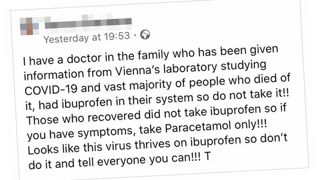
COVID-19 Digest: Do NSAIDs Make COVID-19 More Severe? (Recorded 3/30/20, 18:00 MST)

COVID-19 Digest: Do NSAIDs Make COVID-19 More Severe? (Recorded 3/30/20, 18:00 MST)

In the past two weeks, warnings, questions, and misinformation concerning COVID-19 and NSAID use have been spreading...no pun intended..virally. The pace of this evolving pandemic and the equally quic...

31 Mars 202018min

Podcast 552: PE Management and Risk Stratification

Podcast 552: PE Management and Risk Stratification

Contributor: Dylan Luyten, MD Educational Pearls: After you diagnose a pulmonary embolism (PE) via CT or VQ scan, we need to categorize the PE as massive, sub-massive, or just PE to dictate treatment...

30 Mars 20209min
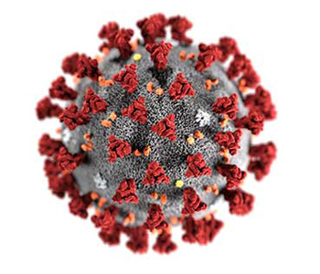
COVID-19 Digest: If You've Had COVID-19, Can You Get it Again? / Convalescent Serum (Recorded 3/26/20, 18:00 MST)

COVID-19 Digest: If You've Had COVID-19, Can You Get it Again? / Convalescent Serum (Recorded 3/26/20, 18:00 MST)

Host: Elizabeth Esty, MD Research By: Elizabeth Esty and Nathan Novotny References: Osumi M. Questions raised over COVID-19 reinfection after Japanese woman develops illness again. The Japan Times. h...

27 Mars 202010min

ER Doc Infected with COVID-19 Shares Experience

ER Doc Infected with COVID-19 Shares Experience

Recorded 3/26/20

27 Mars 202020min

COVID-19: Hydroxychloroquine & Azithromycin / Anosmia / The Aerosolized vs. Droplet Debate (Recorded 3/24/20, 18:00 MST)

COVID-19: Hydroxychloroquine & Azithromycin / Anosmia / The Aerosolized vs. Droplet Debate (Recorded 3/24/20, 18:00 MST)

The circumstances surrounding the COVID-19 virus are quickly evolving and that means that EMM will have to as well. For the foreseeable future, EMM will be releasing COVID-19 updates. In this series, ...

25 Mars 202015min
Podcast 551:  PPIs are Not Benign

Podcast 551: PPIs are Not Benign

Contributor: Don Stader, MD Educational Pearls: PPIs (Proton pump inhibitors) reduce stomach acid levels and are commonly prescribed in patients with GERD or peptic ulcer disease Stopping a PPI after...

23 Mars 20203min

On the Streets #3: COVID-19

On the Streets #3: COVID-19

In this special edition of our On the Streets podcast, we discuss COVID-19 as well as what first responders and emergency providers need to know to keep themselves and their patients safe during this ...

19 Mars 202020min
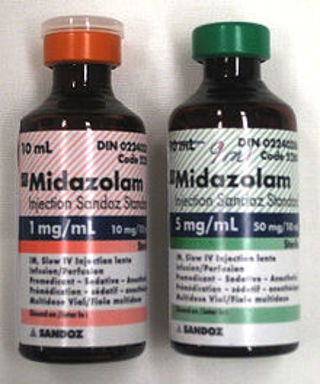
Podcast 550: Good ol' Versed

Podcast 550: Good ol' Versed

Contributor: Sam Killian, MD Educational Pearls: Agitation can be due to a number of causes, but regardless of the cause, sedation often plays a key role in patient and provider safety. But what is t...

17 Mars 20204min

Populärt inom Vetenskap

p3-dystopia
dumma-manniskor
svd-nyhetsartiklar
allt-du-velat-veta
kapitalet-en-podd-om-ekonomi
det-morka-psyket
pojkmottagningen
dumforklarat
rss-vetenskapsradion
rss-vetenskapsradion-2
sexet
halsorevolutionen
rss-ufo-bortom-rimligt-tvivel
rss-experimentet
rss-broccolipodden-en-podcast-som-inte-handlar-om-broccoli
rss-spraket
medicinvetarna
bildningspodden
vetenskapsradion
rss-lara-fran-larda-en-fackbok-och-en-forfattare