Episode 921: Pediatric Hypoglycemia

Episode 921: Pediatric Hypoglycemia

Contributor: Taylor Lynch, MD

Educational Pearls:

When it comes to hypoglycemia, the age dictates possible causes

  • Neonate:

    • Hormonal deficiency

      • Congenital Adrenal Hyperplasia (21-hydroxylase deficiency, 11β-hydroxylase deficiency)

      • Primary or Secondary Adrenal Insufficiency leading to cortisol deficiency

      • Hypopituitarism

    • Inborn errors of metabolism

    • Systemic infection (Under 30 days old should trigger a full infectious workup)

  • Toddler

    • Accidental ingestions

      • Sulfonylureas such as glipizide or glyburide

  • Older children

    • Addison's Disease (Hypocortisolism)

    • Accidential or intentional ingestions

    • Exogenous insulin

How is it diagnosed?

  • Child or infant

    • Glucose <60

  • Newborn

    • Glucose <45 and symptomatic or glucose <35 and asymptomatic

Treatment

  • Awake: oral glucose

  • Altered: IV glucose

  • Rule of 50's. The dose you give times the concentration should equal 50

    • Neonate to 2 months get 5 mg/kg of D10W (5*10=50)

    • 2 months to 8 years old get 2 mg/kg of D25W (2*25=50)

    • Over 8 gets 1 mg/kg of D50W (1*50=50)

    • Bonus fact: Rough estimate of weight for a child is 2*patients age plus 8

  • Recheck sugar every 15 minutes

  • If they stay hypoglycemic give another bolus and consider starting a drip at 1.5 maintenance dose of D10NS.

  • If you don't have an IV you can consider glucagon at 0.03 mg/kg IM, although you might be better off trying glucose gel buccally.

  • If standard therapy still fails you can give hydrocortisone

    • 25 mg IV for neonates and infants

    • 50 mg IV for toddlers and smaller school aged children

    • 100 mg for anyone older than that

How do you test for exogenous insulin?

  • Check a c-peptide which would be low if a patient is taking exogenous insulin

References

  1. Lang, T. F., & Hussain, K. (2014). Pediatric hypoglycemia. Advances in clinical chemistry, 63, 211–245. https://doi.org/10.1016/b978-0-12-800094-6.00006-6

  2. Lee, S. C., Baranowski, E. S., Sakremath, R., Saraff, V., & Mohamed, Z. (2023). Hypoglycaemia in adrenal insufficiency. Frontiers in endocrinology, 14, 1198519. https://doi.org/10.3389/fendo.2023.1198519

  3. Thompson-Branch, A., & Havranek, T. (2017). Neonatal Hypoglycemia. Pediatrics in review, 38(4), 147–157. https://doi.org/10.1542/pir.2016-0063

Summarized by Jeffrey Olson, MS3 | Edited by Meg Joyce, MS1 & Jorge Chalit, OMS3

Donate: https://emergencymedicalminute.org/donate/

Avsnitt(1145)

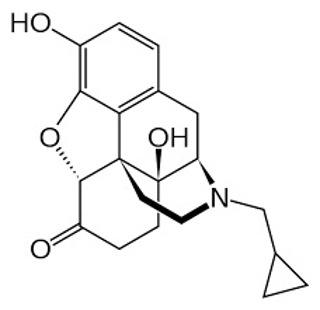
Podcast 514: Pain Control While on Naltrexone

Podcast 514: Pain Control While on Naltrexone

Author: Don Stader, MD Educational Pearls: Suboxone, methadone, and naltrexone are commonly used as treatments for opiate use disorder.  Naltrexone is a full mu-opiate receptor antagonist, making acu...

30 Okt 20192min

Podcast 513: Plague

Podcast 513: Plague

Author: John Winkler, MD Educational Pearls: The plague (black death) is caused by the Yersinia Pestis bacteria. This bacteria is spread by fleas and carried by rats. It is very contagious and only n...

27 Okt 20192min

Podcast 512: Abstinence is Bad, mmmkay?

Podcast 512: Abstinence is Bad, mmmkay?

Author: Don Stader, MD Educational Pearls: Abstinence from substances such as tobacco or alcohol are effective strategies to achieve long term sobriety However, abstinence is not an effective strateg...

22 Okt 20194min

Podcast 511: Ebola Treatment

Podcast 511: Ebola Treatment

Author: Rachel Beham, PharmD Educational Pearls: There are currently many Ebola vaccines that are being studied, and one (recombinant VZV-Ebola vaccine) is currently being used in Africa. This vaccin...

17 Okt 20194min

Podcast # 510: Ebola

Podcast # 510: Ebola

Author: John Winkler, MD Educational Pearls: There is a new outbreak of Ebola in The Congo. This is likely due to civil war and rebel attacks on healthcare workers in the area. Ebola is now spreadin...

16 Okt 20193min

Podcast 509: Circadian Rhythm and Shift Work, From Z to Z

Podcast 509: Circadian Rhythm and Shift Work, From Z to Z

Contributor: Jared Scott, MD Educational Pearls: Sleep deprivation and disturbed sleep cycles increases the risk of many acute and chronic medical issues such as motor vehicle accidents, diabetes, ca...

12 Okt 201915min

Podcast 508: Are you with child?

Podcast 508: Are you with child?

Contributor: Chris Holmes, MD Educational Pearls: In ancient Egypt, pregnant women would urinate over barley and wheat seeds to help determine the sex of thier fetus, as well as if they were pregnant...

10 Okt 20194min

Podcast 507: Who gonna crump?

Podcast 507: Who gonna crump?

Contributor: Nick Tsipis, MD Educational Pearls: Communication proves time and time again to be most helpful in preventing surprises after patient admission Frequent re-evaluations and repeat vital s...

7 Okt 20195min

Populärt inom Vetenskap

p3-dystopia
dumma-manniskor
svd-nyhetsartiklar
allt-du-velat-veta
kapitalet-en-podd-om-ekonomi
det-morka-psyket
pojkmottagningen
dumforklarat
rss-vetenskapsradion-2
rss-vetenskapsradion
sexet
halsorevolutionen
rss-ufo-bortom-rimligt-tvivel
rss-spraket
rss-experimentet
vetenskapsradion
rss-broccolipodden-en-podcast-som-inte-handlar-om-broccoli
medicinvetarna
bildningspodden
4health-med-anna-sparre