
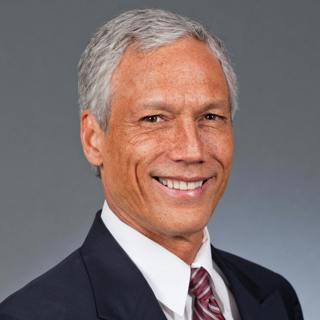
Ep. 512 The "Alzate Maneuver”: Flipping Retrograde Access with Dr. Gregg Alzate
Proximity to innovation often gives rise to further innovation. This trend is especially true in interventional radiology. Dr. Gregg Alzate (interventional radiologist in San Diego, California) joins host Dr. Ally Baheti to share his career pearls for early and mid-career IRs, and how he came to pioneer the Alzate Retrograde Antegrade Maneuver (A-RAM). --- This podcast is supported by: Reflow Medical https://www.reflowmedical.com/ --- SYNPOSIS Dr. Alzate starts by sharing his early influences, including his time with interventional radiology giant Dr. Harold Coons. The doctors also cover the importance of proper vessel access techniques, innovative approaches to limb salvage, and how to address complex chronic total occlusions (CTOs). Dr. Alzate then goes on to give us a thorough walkthrough of the A-RAM. The episode concludes with Dr. Alzate’s closing thoughts on being open to adopt new techniques, the impact of strong mentorship, and importance for consuming and sharing knowledge. --- TIMESTAMPS 00:00 - Introduction 03:05 - Dr. Alzate’s Journey 25:52 - A-RAM Technique 34:26 - CTO’s and Heavy Calcium 40:16 - Moral Injury in Medical Practice 43:35 - Honoring Dr. Harold Coons 46:23 - Closing Thoughts and Reflections --- RESOURCES Ohki, Takao et al. “Long-term results of the Japanese multicenter Viabahn trial of heparin bonded endovascular stent grafts for long and complex lesions in the superficial femoral artery.” Journal of vascular surgery vol. 74,6 (2021): 1958-1967.e2. https://www.jvascsurg.org/article/S0741-5214(21)01011-9/fulltext Kedora, John et al. “Randomized comparison of percutaneous Viabahn stent grafts vs prosthetic femoral-popliteal bypass in the treatment of superficial femoral arterial occlusive disease.” Journal of vascular surgeryvol. 45,1 (2007): 10-6; discussion 16. https://www.jvascsurg.org/article/S0741-5214(06)01612-0/fulltext
28 Jan 49min
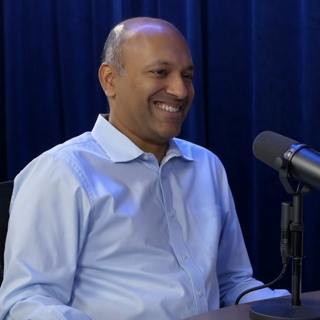
Ep. 511 How to Simplify Dosing: Understanding Y-90 Dosimetry from Simple to Complex
Of all the topics covered during interventional radiology training, dosimetry education is often delayed until after IRs enter clinical practice. In this episode, Drs. Tyler Sandow and Sabeen Dhand host a roundtable discussion with experts on the dosimetry fundamentals that all Y90 operators should understand. They are joined by interventional radiologists Drs. Zachary Berman, Kirema Garcia-Reyes, and Siddharth Padia, who provide their expert insights. Physicians, nurses, nurse practitioners, and physician assistants can follow this link to earn CME / CE credits for completing an accredited learning activity related to this discussion: https://www.cmeuniversity.com/course/take/125736 --- This podcast is supported by an educational grant from AstraZeneca Pharmaceuticals and Boston Scientific. --- SYNPOSIS The group agrees that dosimetry is not a one-size-fits-all approach. Dosing strategies depend on factors such as tumor size, perfusion territory, underlying liver function, the choice between glass versus resin spheres, and treatment intent. These considerations are illustrated with real-life case examples. The doctors also explore voxel-based dosimetry, a method for calculating the amount of radiation absorbed by different parts of the tumor. They stress the importance of learning how to perform accurate dosage calculations. Finally, the conversation touches on data from major Y90 trials, current guidelines, and the evolving perspective on Y90 as a potential curative treatment, rather than merely a bridging therapy. --- TIMESTAMPS 00:00 - Introduction 01:59 - Dosimetry Education During Training 05:46 - Benefit of Individualized Dosing 11:01 - Complications from High Doses 15:19 - Dosage Calculation Cases 22:51 - Duration of Response to Y90 25:00 - Dosing Based on Treatment Intent 29:11 - Challenging Case Example 42:31 - Voxel-Based Dosimetry 45:15 - Using Dosimetry Software --- RESOURCES LEGACY Trial (Salem et al, 2021): https://pmc.ncbi.nlm.nih.gov/articles/PMC8596669/ Voxel-based tumor dose correlates to complete pathologic necrosis after transarterial radioembolization for hepatocellular carcinoma (Pianka et al, 2024): https://pubmed.ncbi.nlm.nih.gov/38913189/ RAPY90D Trial (Kappadath et al, 2023): https://jnm.snmjournals.org/content/64/supplement_1/P268 Clinical, dosimetric, and reporting considerations for Y-90 glass microspheres in hepatocellular carcinoma: updated 2022 recommendations from an international multidisciplinary working group (Salem et al, 2023): https://pubmed.ncbi.nlm.nih.gov/36114872/ International recommendations for personalised selective internal radiation therapy of primary and metastatic liver diseases with yttrium-90 resin microspheres (Levillain, 2021): https://link.springer.com/article/10.1007/s00259-020-05163-5) CME Accreditation Information: https://f7cae4ec-b69e-490d-9e0f-19b16a6f146d.usrfiles.com/ugd/f7cae4_a7c37ea3cd1b4d3fa53d5edf8dfe255b.pdf
24 Jan 54min
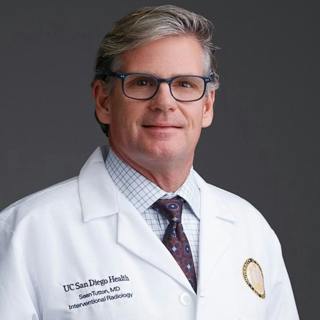
Ep. 510 Robotics Revolution in Interventional Radiology with Dr. Sean Tutton and Dr. Raj Narayanan
Robot-assisted technology has revolutionized surgical fields such as general surgery and urology—could interventional radiology be the next frontier? In this episode of the BackTable podcast, host Dr. Jacob Fleming explores the transformative potential of robotic-assisted percutaneous biopsies and ablations with experts Dr. Govindarajan “Raj” Narayanan from the Miami Cancer Institute and Dr. Sean Tutton from UC San Diego. --- This podcast is supported by: Quantum Surgical https://www.quantumsurgical.com/ --- SYNPOSIS Dr. Narayanan begins by sharing his initial interest in robotic applications for tumor ablations, aiming to maximize efficiency in his practice. Dr. Tutton then highlights the advantages of robotics for probe placement, especially in challenging cases. The two doctors discuss the logistics of the robotic system, including setup, imaging, and access choices. They also reflect on the learning curve associated with robotics and how it gradually enhances procedural efficiency while reducing mental fatigue. This improvement allows them to take on more complex cases with confidence. Overall, both experts agree that robotics has the potential to democratize minimally invasive procedures, offering new opportunities for skill development and advancement within the field of interventional radiology. --- TIMESTAMPS 00:00 - Introduction to the Podcast 03:30 - Developing an Interest in Robotics 10:44 - Integration of Robotics in the Procedural Suite 13:27 - Logistics of Robot System 18:38 - Planning for Percutaneous Access 22:39 - Future Implications of Robotics on Training Programs 35:51 - Efficiency and Volume Management with Robotics 40:39 - Learning Curves for Robotic Procedures 48:09 - Conclusion and Final Thoughts --- RESOURCES Quantum Surgical Epione Robot: https://www.quantumsurgical.com/epione/ ACCLAIM Trial: https://www.sio-central.org/ACCLAIM-Trial
21 Jan 55min
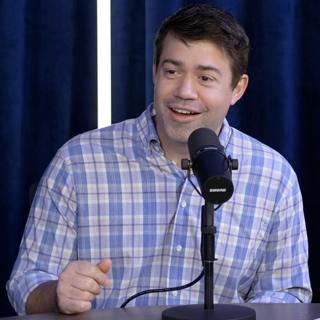
Ep. 509 Multidisciplinary HCC Care: Improving the Patient Experience with Combined Clinic
Welcome to the first episode of BackTable Tumor Board, and our first recording session at our new in-person studio! Guest host Dr. Tyler Sandow (interventional radiologist) leads a multidisciplinary discussion about patient care coordination in hepatocellular carcinoma (HCC) diagnosis and treatment, with insights from his colleagues at Ochsner Health– Dr. Steven Young (hepatologist), Dr. Jonathan Mizrahi (medical oncologist), and Deondra Bonds-Adams (patient navigator). Physicians, nurses, nurse practitioners, and physician assistants can follow this link to earn CME / CE credits for completing an accredited learning activity related to this discussion: https://www.cmeuniversity.com/course/take/125735 --- This podcast is supported by an educational grant from AstraZeneca Pharmaceuticals and Boston Scientific. --- SYNPOSIS The team speaks on the value of having multiple specialties weigh in on treatment conversations that are tailored to each patient’s medical history and risk factors, such as underlying cirrhosis and portal hypertension. Deondra highlights the importance of assessing the patient’s understanding of their disease and the role of physician extenders and schedulers in patient education. Dr. Young discusses the value of outreach clinics and streamlining the transplant evaluation process. Finally, Dr. Mizrahi gives advice on building referral networks and establishing early contact with transplant centers. --- TIMESTAMPS 00:00 - Introduction 00:46 - Multidisciplinary Tumor Board 06:00 - Patient Experience in Treatment Pathways 10:10 - Barriers to Treatment 16:03 - Benefits of IR Clinic 19:33 - HCC Screening and Risk Factors 24:08 - Building Referral Networks 30:34 - Strategies for Effective Scheduling 35:43 - The Future of HCC Treatment --- RESOURCES CME Accreditation Information: https://f7cae4ec-b69e-490d-9e0f-19b16a6f146d.usrfiles.com/ugd/f7cae4_a7c37ea3cd1b4d3fa53d5edf8dfe255b.pdf
17 Jan 44min

Introducing Backtable Tumor Board
Welcome to the first episode of BackTable Tumor Board, and our first recording session at our new in-person studio! Guest host Dr. Tyler Sandow (interventional radiologist) leads a multidisciplinary discussion about patient care coordination in hepatocellular carcinoma (HCC) diagnosis and treatment, with insights from his colleagues at Ochsner Health– Dr. Steven Young (hepatologist), Dr. Jonathan Mizrahi (medical oncologist), and Deondra Bonds-Adams (patient navigator). --- This podcast is supported by an educational grant from: AstraZeneca https://www.astrazeneca.com/our-therapy-areas/oncology.html With additional support from: Boston Scientific https://www.bostonscientific.com/en-US/medical-specialties/interventional-radiology/interventional-oncology.html --- SYNPOSIS The team speaks on the value of having multiple specialties weigh in on treatment conversations that are tailored to each patient’s medical history and risk factors, such as underlying cirrhosis and portal hypertension. Deondra highlights the importance of assessing the patient’s understanding of their disease and the role of physician extenders and schedulers in patient education. Dr. Young discusses the value of outreach clinics and streamlining the transplant evaluation process. Finally, Dr. Mizrahi gives advice on building referral networks and establishing early contact with transplant centers. --- TIMESTAMPS 00:00 - Introduction 00:46 - Multidisciplinary Tumor Board 06:00 - Patient Experience in Treatment Pathways 10:10 - Barriers to Treatment 16:03 - Benefits of IR Clinic 19:33 - HCC Screening and Risk Factors 24:08 - Building Referral Networks 30:34 - Strategies for Effective Scheduling 35:43 - The Future of HCC Treatment
16 Jan 2min
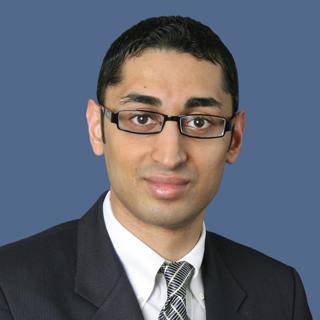
Ep. 508 Advancements in Pulmonary Embolus Intervention Techniques: PEERLESS Trial Insights with Dr. Ripal Gandhi and Dr. Zarina Sharalaya
Interventional treatment for pulmonary embolism (PE) has significantly evolved in recent years, largely due to advancements in techniques, knowledge, and device technology. Dr. Zarina Sharalaya (interventional and structural cardiologist) and Dr. Ripal Gandhi (interventional radiologist) join host Dr. Chris Beck to discuss the evolving landscape of PE treatment, comparing large-bore mechanical thrombectomy with catheter-directed thrombolysis and exploring outcomes from the PEERLESS randomized control trial. --- This podcast is supported by: Inari Medical https://cwa.inarimedical.com/inari-learn --- SYNPOSIS Dr. Sharalaya and Dr. Gandhi begin by covering risk stratification and treatment algorithms for their patients with PE. The doctors then go onto discuss the procedure in detail, and best practices and techniques for mechanical thrombectomy. The conversation also focuses on the PEERLESS trial, highlighting how the study showed significant benefits of mechanical thrombectomy, including faster symptom improvement, decreased ICU stay, and reduced readmission rates. Dr. Sharalaya and Dr. Gandhi conclude the episode with a series of case presentations. --- TIMESTAMPS 00:00 - Introduction 08:01 - Pulmonary Embolism Risk Stratification and Treatment Algorithms 14:49 - Procedure Overview 24:25 - Best Practices and Techniques in Thrombectomy 34:31 - Peerless Study Overview and Findings 46:50 - Gender Differences in PE Treatment 47:49 - Future of PE Treatment and Advice 51:55 - Case Presentations and Clinical Insights --- RESOURCES 2019 ESC Guidelines for the diagnosis and management of acute pulmonary embolism developed in collaboration with the European Respiratory Society (ERS): https://pubmed.ncbi.nlm.nih.gov/31504429/ PEERLESS II: A Randomized Controlled Trial of Large-Bore Thrombectomy Versus Anticoagulation in Intermediate-Risk Pulmonary Embolism: https://www.jscai.org/article/S2772-9303(24)01053-6/fulltext Large-bore Mechanical Thrombectomy Versus Catheter-directed Thrombolysis in the Management of Intermediate-risk Pulmonary Embolism: Primary Results of the PEERLESS Randomized Controlled Trial: https://pubmed.ncbi.nlm.nih.gov/39470698/
14 Jan 1h 11min
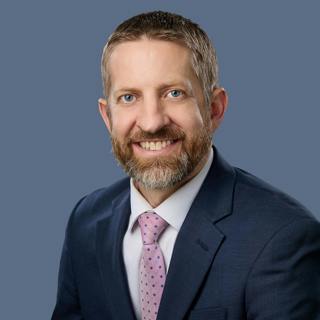
Ep. 507 New Horizons in IR: Private Practice Insights and Strategies with Dr. Mark Wilson
Interventional radiology is unique in the way that much of what an IR’s practice looks like is extremely contingent upon their practice setting following training - whether it be community, academic, private, or hybrid. Dr. Mark Wilson joins host Dr. Donald Garbett to discuss his own journey of transitioning from a large, physician owned group to forming his own private IR practice in Spokane, Washington following a major hospital contract shift. --- This podcast is supported by: Medtronic MVP https://www.medtronic.com/mvp --- SYNPOSIS Dr. Wilson shares the emotional impact of the career shift, and the technical aspects of how he was able to succeed following the change, and the details that went into creating his own private IR-only group and securing contracts with local hospitals. The doctors also spend time on the financial dynamics between DR and IR, as well as the true dollar value and impact IR brings to hospitals. The episode concludes with Dr. Wilson’s practical and thorough guide on how one can go about starting up their own IR-only private practice. --- TIMESTAMPS 00:00 - Introduction 03:02 - Forming a New IR Group 04:43 - Impact of Practice Changes 11:02 - IR’s Value to Hospitals 30:49 - Independent IR Practice Set-Up 36:38 - Conclusion --- RESOURCES Karage, 2024. Attrition Rates in Interventional Radiology Integrated Residency Programs: https://pubmed.ncbi.nlm.nih.gov/39586539/
10 Jan 39min
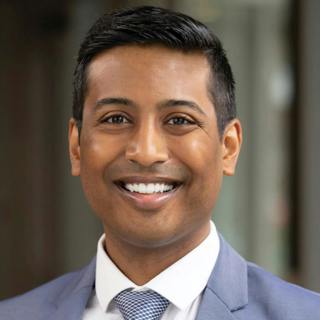
Ep. 506 Transfemoral Liver Biopsy: A Novel Approach with Dr. Kapil Wattamwar and Dr. Jacob Cynamon
It might be time to rethink your liver biopsy technique. Transfemoral transcaval core-needle liver biopsy has demonstrated key advantages over the transjugular approach and has become increasingly popular in recent years. Interventional radiologists Dr. Jacob Cynamon and Dr. Kapil Wattamwar join host Dr. Sabeen Dhand to discuss the inception and advantages of their novel approach. --- This podcast is supported by: Reflow Medical https://www.reflowmedical.com/ --- SYNPOSIS The doctors start with how they began using the transfemoral transcaval approach, along with the literature they published following adoption of this novel technique shortly thereafter. Dr. Cynamon and Dr. Wattamwar then go on to discuss the technique in detail, providing a thorough step-by-step and pausing to mention key considerations. The episode concludes with the doctors emphasizing the safety and efficacy of the transfemoral transcaval approach, citing specific findings and sharing exemplary cases. --- TIMESTAMPS 00:00 - Introduction 05:47 - Percutaneous vs. Transvenous Biopsies 08:56 - Evolution of Transfemoral Biopsies 12:41 - Comparing Transjugular and Transfemoral Approaches 24:52 - Pre-Procedural Imaging and Sheath Selection 29:23 - Complications and Case Studies 35:46 - Transcaval Biopsy Technique 45:00 - Conclusion --- RESOURCES Cynamon, 2016. Transfemoral Transcaval Core-Needle Liver Biopsy: An Alternative to Transjugular Liver Biopsy: https://pubmed.ncbi.nlm.nih.gov/26723528/ Wattamar, 2020. Transjugular versus Transfemoral Transcaval Liver Biopsy: A Single-Center Experience in 500 Cases: https://pubmed.ncbi.nlm.nih.gov/32798119/ Wattamar, 2022. The Use of the Transfemoral Transcaval Liver Biopsy Technique for Biopsies of Hepatic Masses: https://pubmed.ncbi.nlm.nih.gov/36182256/ Wattamar, 2022. Transcaval Creation of a Portal Vein Target for Transjugular Intrahepatic Portosystemic Shunt in a Patient with Portal Vein Thrombosis: https://pubmed.ncbi.nlm.nih.gov/34448032/
7 Jan 52min