Ep. 343 Microwave Ablation: A Powerful but Underused Modality for Treatment of Spine Tumors with Dr. Majid Khan

Ep. 343 Microwave Ablation: A Powerful but Underused Modality for Treatment of Spine Tumors with Dr. Majid Khan

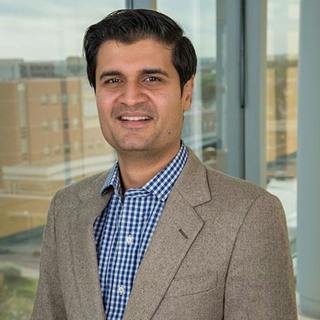
In this episode, Dr. Jacob Fleming interviews Dr. Majid Khan, a spine interventionalist and expert in neuroimaging, about microwave ablation, a new treatment modality that has garnered significant attention. --- CHECK OUT OUR SPONSOR Boston Scientific Lab Agent https://www.bostonscientific.com/en-US/customer-service/ordering/lab-agent/contact.html?utm_source=oth_site&utm_medium=native&utm_campaign=pi-at-us-labagent-hci&utm_content=n-backtable-n-backtable_site_labagent_1_2023&cid=n10013205 --- EARN CME Reflect on how this Podcast applies to your day-to-day and earn free AMA PRA Category 1 CMEs: https://earnc.me/1YOW1H --- SHOW NOTES Dr. Khan completed his radiology residency in New York and his fellowship in neuroradiology at John Hopkins. As he progressed in the field, he observed a significant shift in spinal care towards interventional methods and began to study these techniques, which included radiofrequency ablation (RFA) and cryoablation for treating spinal tumors. However, when he treated cases of prostate cancer spine metastases, he realized that RFA was challenging, due to the high bone impedance of osteoblastic lesions. This obstacle piqued his interest in microwave ablation, an alternative technique that employs an electromagnetic wave to induce rapid oscillation of hydrogen atoms in water molecules. This oscillation generates frictional heat, leading to coagulative tumor necrosis. Unlike RFA, microwave ablation significantly reduces bone impedance, making it a promising solution for these cases. Dr. Khan cautions that special care must be taken when operating in areas near nerves due to the elevated temperatures. To ensure safety, he recommends the use of a probe within the frequency range of 900 MHz to 1.2 GHz and the incorporation of thermocouplers as a safeguard during the ablation process. Furthermore, Dr. Khan delves into the indications for ablation based on the extent of tumor metastasis. In cases of oligometastatic disease, he advises a more aggressive treatment approach by extending the ablation zone beyond the actual tumor size. On the other hand, when dealing with diffusely metastatic disease, the primary goal of treatment shifts towards pain reduction. The two conclude their discussion with Dr. Khan’s advice for physicians planning to utilize microwave ablation. He advises them to approach their initial 5-10 cases judiciously, in an effort to minimize the risk of complications that may adversely impact their self-confidence. Having adequate self confidence enhances the likelihood of achieving successful outcomes. For those looking for a valuable resource in the field, Dr. Khan has recently published a comprehensive textbook that features contributions from experts in the field. --- RESOURCES “Assessing long-term locoregional control of spinal osseous metastases after microwave ablation”: https://pubmed.ncbi.nlm.nih.gov/35963064/ Vertebral Augmentation: https://shop.thieme.com/Vertebral-Augmentation/9781684200153 Image Guided Interventions of the Spine https://link.springer.com/book/10.1007/978-3-030-80079-6

Avsnitt(610)

Ep. 542 Navigating Early Career in Interventional Radiology with Dr. Christopher Zarour and Dr. Kavi Devulapalli

Ep. 542 Navigating Early Career in Interventional Radiology with Dr. Christopher Zarour and Dr. Kavi Devulapalli

As graduating residents step into the IR job market, the big question remains: What truly makes a great first job? Dr. Subhash Gutti hosts guest Dr. Kavi Devulapalli (Image Guided Solutions of Missouri) and Dr. Christopher Zarour (Huron Valley Radiology in Ann Arbor) as they share early career advice and job search strategies.---This podcast is supported by:RADPAD® Radiation Protectionhttps://www.radpad.com/---SYNPOSISThe doctors begin by highlighting different practice models and emphasize the significance of knowing what type of IR you are - an imager, a surgeon, or dynamic blend of both. They share their personal experiences navigating their early careers and underscore the pivotal role of establishing a robust clinical practice and taking full ownership of the patient. They also explore strategies for practice growth, including availability and network referrals. The episode ends with valuable advice on navigating the early stages of one's career, drawn from personal experiences.---TIMESTAMPS00:00 - Introduction01:16 - Early Career Advice and Job Search04:50 - Exploring the Job Market09:46 - What Makes a Good First Job?14:33 - Challenges in the First Job28:27 - Strategies for Building a Clinical Practice36:56 - Understanding the Business Side of Medicine48:49 - Final Advice for New Graduates

9 Maj 58min

Ep. 541 Treatment of Acute Portal Vein Thrombosis with Dr. Ben May

Ep. 541 Treatment of Acute Portal Vein Thrombosis with Dr. Ben May

To TIPS or not to TIPS? More than ever, younger patients are presenting with acute portal vein thrombosis (PVT) that requires intervention beyond anticoagulation alone. These patients need safe, effective options that offer long-term resolution and a good quality of life after treatment. In this episode of the BackTable Podcast, Dr. Benjamin May, Interventional Radiologist at Weill Cornell Medicine, discusses the evolving treatment landscape for acute PVT.---SYNPOSISDr. May shares insights into the changing interventional approaches, highlights the utility of tools such as suction thrombectomy devices, and explains how his best practices have developed over time. He emphasizes the continued importance of anticoagulation therapy, explores the potential complications and outcomes of various interventions, and discusses how thrombus location and characteristics influence his clinical decisions. With real-world scenarios and a step-by-step walkthrough of his decision-making process, Dr. May offers a comprehensive look at modern strategies for managing acute portal vein thrombosis.---TIMESTAMPS00:00 - Introduction 05:46 - Diagnosing Portal Vein Thrombosis10:52 - Management Options for Acute PVT and What is Safest?21:09 - Choosing an Intervention Approach26:19 - Tackling Large Bore Thrombectomy32:37 - Learnings and Tips for Successful Thrombectomy39:50 - Impact of Thrombus Location on Intervention Approach 45:01 - Post-Care and Follow-Up49:46 - Final Thoughts and Encouragement---RESOURCES“Transjugular Intrahepatic Portosystemic Shunt and Thrombectomy (TIPS-Thrombectomy) for Symptomatic Acute Noncirrhotic Portal Vein Thrombosis” (Shalvoy, 2023)https://www.jvir.org/article/S1051-0443(23)00341-X/abstract

6 Maj 52min

Ep. 540 Dolor Crónico Femenino: Varices Pélvicas con Dr. Gloria Salazar

Ep. 540 Dolor Crónico Femenino: Varices Pélvicas con Dr. Gloria Salazar

En este episodio de BackTable, la radióloga intervencionista Dra. Sara Lojo Lendoiro y la Dra. Gloria Salazar discuten los desafíos y las barreras para diagnosticar y tratar el dolor pélvico crónico y las varices pélvicas en mujeres.---SYNPOSISPrimero, abordan la ausencia de diagnóstico y el estereotipo que estigmatiza a las mujeres con problemas psiquiátricos. Dra. Salazar comparte su trayectoria personal desde Brasil hasta su posición de profesora asociada de radiología en la University of North Carolina, y su trabajo centrado en mejorar la salud de la mujer. También se habla sobre la necesidad de colaboración multidisciplinar, la investigación futura para entender mejor la fisiopatología, y cómo la educación y una mayor conciencia pueden mejorar el diagnóstico y tratamiento de estas patologías. Además, destacan la importancia de considerar el impacto económico y social de no tratar adecuadamente estas condiciones en mujeres activas y trabajadoras.---TIMESTAMPS00:00 - Presentación de la Dra. Gloria Salazar 06:25 - Desafíos en el Diagnóstico de la Salud de la Mujer 08:08 - Comprendiendo las Varices Pélvicas y el Dolor Pélvico Crónico 22:23 - Técnicas de Diagnóstico y Desafíos 36:19 - Evaluación del Dolor Pélvico y los Síntomas en las Piernas 41:46 - Variaciones Anatómicas y Técnicas de Diagnóstico 50:40 - La Importancia de los Equipos Multidisciplinarios 58:59 - Direcciones Futuras en la Investigación de las Venas Pélvicas 01:09:50 - Reflexiones Finales y Colaboraciones Futuras

3 Maj 1h 12min

Ep. 539 The Future of the IR-DR Relationship with Dr. Saher Sabri and Dr. Mark Lessne

Ep. 539 The Future of the IR-DR Relationship with Dr. Saher Sabri and Dr. Mark Lessne

Is it time for interventional radiology to sever ties with diagnostic radiology and define its own future? Dr. Ally Baheti hosts Dr. Mark Lessne, interventional radiologist at Charlotte Radiology and Dr. Saher Sabri, Chief of Interventional Radiology at MedStar Health, to discuss the evolving relationship between interventional radiology (IR) and diagnostic radiology (DR). --- SYNPOSISThe doctors begin the discussion by asking a critical question: 'What defines an interventional radiologist?' They delve into the different practice patterns of IRs, exploring both the opportunities and challenges in interventional radiology forging its own path, independent of diagnostic radiology. The doctors share their thoughts on the financial implications, sustainability of the specialty, and the importance of establishing a clinical and longitudinal practice. The discussion concludes with the notion that an organic separation is likely inevitable, although the timing remains uncertain. --- TIMESTAMPS 00:00 - Introduction03:45 - Challenges in IR Practice12:23 - Financial Models and Sustainability16:13 - The Role of SIR in Supporting IRs34:29 - Defining IR Standards35:28 - SIR’s Role38:29 - Future of IR and DR58:36 - Final Thoughts and Call to Action

2 Maj 1h 3min

Ep. 538 Immunotherapy and TACE in HCC Treatment with Dr. Julius Chapiro and Dr. Richard Finn

Ep. 538 Immunotherapy and TACE in HCC Treatment with Dr. Julius Chapiro and Dr. Richard Finn

There are now multiple phase 3 studies on combination transarterial chemoembolization (TACE) and immunotherapy showing a significant benefit over TACE alone. How do these findings change the hepatocellular carcinoma (HCC) treatment algorithm? In this multidisciplinary episode of the BackTable Podcast, Dr. Richard Finn (Medical Oncologist at UCLA) and Dr. Julius Chapiro (Interventional Radiologist at Yale University) join host Dr. Chris Beck to discuss immunotherapy, TACE, emerging trends in HCC treatment, and the future of the field.---This podcast is supported by an educational grant from Guerbet.---SYNPOSISThe doctors highlight the importance of high quality clinical data and the pivotal studies shaping current best practices. They explore the role of the different players on the multidisciplinary team and compare the oncologic and radiologic perspectives. Additionally, they discuss the synergy between TACE and immunotherapy, the criteria for selecting appropriate treatments, and the ongoing need for research and collaboration.---TIMESTAMPS00:00 - Introduction 03:35 - HCC from an Oncologic Perspective 05:33 - Radiological Perspective on Liver Cancer06:50 - Referral Patterns and Organizing a Multidisciplinary Approach18:01 - Explaining TACE and Variations in the Procedure27:27 - Choosing the Right Procedure for HCC36:13 - Making a Decision on Medical Treatment Candidacy 42:23 - Importance of Data Driven HCC Treatment, Practical Insights, and Studies to Know55:30 - Planning an Approach for a TACE Procedure01:02:26 - Final Thoughts and Future Prospects in Liver Cancer Treatment---RESOURCESBarcelona Staging System:https://www.ncbi.nlm.nih.gov/books/NBK569796/table/Ch3-t0001/TRACE Trial:https://pubs.rsna.org/doi/full/10.1148/radiol.211806PREMIERE Trial:https://www.gastrojournal.org/article/S0016-5085(16)34971-X/fulltextEMERALD-1 Trial:https://ascopubs.org/doi/10.1200/JCO.2024.42.3_suppl.LBA432LEAP O12 Study:https://www.thelancet.com/journals/lancet/article/PIIS0140-6736(24)02575-3/abstract

29 Apr 1h 7min

Ep. 537 Keeping It Lean in the OBL with Dr. Mary Costantino

Ep. 537 Keeping It Lean in the OBL with Dr. Mary Costantino

What is the key to running an efficient OBL? Dr. Mary Costantino, medical director of Advanced Vascular Centers, joins host Dr. Ally Baheti to share some of the key ingredients in keeping it lean in OBL. --- SYNPOSIS The doctors delve into strategies in running a cost-effective OBL while upholding clinical excellence. Dr. Costantino shares her personal insights and experiences in minimizing unnecessary costs while maintaining regulatory compliance, high-performing team, and outstanding patient care. She also underscores the importance of having a clear leadership vision and remaining at the forefront of patient care to proactively identify challenges and develop effective solutions to address them. Lastly, she shares her thoughts on navigating the challenges of balancing personal and professional responsibilities in the growing field of outpatient vascular care. --- TIMESTAMPS 00:00 - Introduction 01:46 - Expanding Practices and Partnerships 06:24 - Navigating Regulatory Requirements 12:26 - Building a Lean and Valuable Team 35:01 - Leadership 39:54 - Opportunity Cost in Practice Management 44:32 - Employee Growth and Retention Strategies 46:49 - Building and Maintaining a Successful Practice 01:06:54 - The Financial Wheel and Its Impact on Small Businesses

25 Apr 1h 10min

Ep. 536 Multidisciplinary Approaches to Renal Cancer Care with Dr. Louis Hinshaw and Dr. Jason Abel

Ep. 536 Multidisciplinary Approaches to Renal Cancer Care with Dr. Louis Hinshaw and Dr. Jason Abel

This week we bring together urologists and radiologists to work towards a shared goal of innovating on kidney cancer care. Dr. Jason Abel, Professor of Urology and Radiology at the University of Wisconsin, and Dr. Louis Hinshaw, Section Chief of Abdominal Imaging Intervention at the University of Wisconsin, join our host Dr. Ruchika Talwar for a multidisciplinary conversation regarding the treatment of renal tumors. ---This podcast is supported by:NeuWave Microwave Ablation Systemshttps://www.jnjmedtech.com/en-US/product-family/neuwave-microwave-ablation-systems---SYNPOSISTheir discussion covers the history and benefits of collaboration between urology and interventional radiology (IR), advances in image-guided procedural technologies, and the importance of teamwork in improving patient outcomes. The episode also considers the encouraging, but limited data in IR treatments such as microwave ablation and discusses the lasting role for surgery. Finally, Dr. Abel and Dr. Hinshaw share their experiences in establishing a successful interdisciplinary kidney cancer program. Ultimately, they conclude that the future of renal tumor treatment lies not in silos, but in collaboration.---TIMESTAMPS00:00 - Introduction04:04 - Collaboration Between Urologists and Interventional Radiologists05:58 - Advancements in Ablation10:05 - Patient Selection15:19 - Technical Considerations26:57 - Post-Ablation Surveillance and Recurrence Management33:19 - Conclusion

23 Apr 39min

Ep. 535 Genicular Artery Embolization: Current Controversies and Insights with Dr. Sid Padia and Dr. Osman Ahmed

Ep. 535 Genicular Artery Embolization: Current Controversies and Insights with Dr. Sid Padia and Dr. Osman Ahmed

Who is the ultimate candidate for GAE, which technical approach is best, and how do you set your patients up for success? Tune into this week’s episode of BackTable to hear from interventional radiologists Dr. Osman Ahmed (University of Chicago Medicine) and Dr. Siddharth Padia (UCLA Health) as they discuss everything from patient selection to follow-up care, covering pre-procedure imaging, access, embolics, technical challenges, clinical data, and the future of genicular artery embolization. --- SYNPOSIS Dr. Ahmed and Dr. Padia debate their approaches to patient selection criteria, the use of MRI and cone beam CT, permanent vs. resorbable embolic materials, how many arteries to embolize, and the relevance of pain metrics post GAE. They also delve into follow-up considerations and the potential for GAE as a long term treatment. --- TIMESTAMPS 00:00 Introduction 01:08 MRI for Patient Selection in GAE 08:53 Access Techniques: Femoral vs. Pedal 17:07 Cone Beam CT in GAE Procedures 27:20 Embolization Strategies 39:30 Challenges and Complications in Embolization 44:50 Follow-Up and Pain Metrics in Clinical Practice and Research 01:06:30 Repeat GAE Procedures: When and Why? 01:11:13 Post-Total Knee Replacement and GAE 01:21:01 Advice for IRs Looking to do GAE 01:24:32 Conclusion and Final Thoughts --- RESOURCES GENESIS Trial: https://pubmed.ncbi.nlm.nih.gov/33474601/ Landers et al Trial: https://pubmed.ncbi.nlm.nih.gov/37051829/

22 Apr 1h 26min

Populärt inom Utbildning

rss-bara-en-till-om-missbruk-medberoende-2
historiepodden-se
det-skaver
alska-oss
nu-blir-det-historia
johannes-hansen-podcast
harrisons-dramatiska-historia
sektledare
allt-du-velat-veta
not-fanny-anymore
roda-vita-rosen
rss-makabert
rss-sjalsligt-avkladd
dumforklarat
rss-max-tant-med-max-villman
sa-in-i-sjalen
rikatillsammans-om-privatekonomi-rikedom-i-livet
sex-pa-riktigt-med-marika-smith
sektpodden
rss-npf-podden