Ep. 253 How to Improve Your Brain Health and Performance with Louisa Nicola

Ep. 253 How to Improve Your Brain Health and Performance with Louisa Nicola

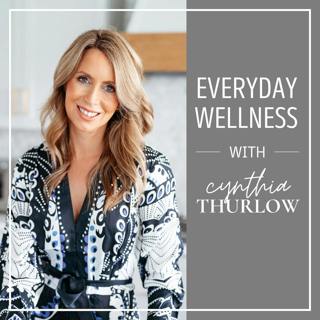
I am excited to connect with one of my favorite neuroscience experts today! Louisa Nicola is at the intersection of neuroscience and athleticism. She helps to bring a fresh understanding of what it takes to achieve peak performance through science-based tools and methods. She is also the host of The Neuro Experience podcast, which focuses on brain health, neuroscience, longevity, and athletics. Louisa knows how to take complicated subjects related to brain physiology and hormones and explain them so that people can fully understand and appreciate them. In this episode, she and I dive into her background. We discuss her three pillars for peak performance, alcohol, and how sleep impacts the glymphatic system. We get into strategies for better sleep, the perimenopausal brain, how chronobiology impacts sleep, how to address jet lag, and how exercise improves brain performance and health. We also discuss the best foods and supplements for brain health and how creatine enhances performance. I hope you enjoy listening to today’s conversation as much as I did recording it! IN THIS EPISODE YOU WILL LEARN: How an accident shifted the trajectory of Louisa’s life. Louisa unpacks the various stages of sleep and explains why sleep is so important. How sleep impacts the glymphatic system. Some common characteristics of perimenopause. Some simple ways to aid the penetration of naturally secreted hormones into the brain. How blood pressure fluctuations impact the brain. What is jet lag, and how can we combat it? How does alcohol affect the brain? Louisa explains cardiac remodeling. The value of different types of exercise for brain health. The difference between physical activity and exercise. How our food choices impact our brain health. How to mitigate the effects of traumatic brain injuries. How does creatine monohydrate improve brain performance? Connect with Cynthia Thurlow Follow on X ⁠ ⁠Instagram ⁠ ⁠LinkedIn⁠ Check out Cynthia’s ⁠website⁠ Connect with Louisa Nicola On X and ⁠Instagram⁠ ⁠The Neuro Experience Podcast⁠ Book mentioned ⁠The XX Brain⁠ by Dr. Lisa Mosconi

Avsnitt(622)

Ep. 201 The Connection Between Genes, Detoxification, Hormones, and Immune Function

Ep. 201 The Connection Between Genes, Detoxification, Hormones, and Immune Function

I am delighted to reconnect with Teri Cochrane today! Teri is the founder of the Global Sustainable Health Institute® and an international thought leader in longevity. Through her decades of clinical work, Teri has developed The Cochrane Method®, a future-facing, multisystem health and longevity model that examines the intersection of gene expression due to pathogenic and environmental causes, energy, and her clients’ unique personal blueprint. Teri specializes in solutions to complex health conditions and serves world-class athletes. She is the author of the Amazon best-selling new release book, The Wildatarian Diet: Living As Nature Intended. Teri’s perspective on health and longevity is fresh and unique, and she has her own quirky way of describing certain potentially intangible concepts. She understands that we are all different, so every individual requires a particular and very granular approach to their diet and lifestyle to achieve optimal health. In this episode, we take a deep dive into the role of bio-individuality and focus on women’s hormones and the endocrine system. We talk about applied kinesiology. We discuss the role of oxalates and the impact of genetics, SMPs, mycotoxins (mold), candida, and strep on our health. We get into methylation, gut health, estrogen detoxification, liver detox, and ways to support our bodies. We talk about why women tend to feel fluffy, the impact of cortisol, how sleep and stress affect our health, the importance of micronutrients- especially for thyroid function, and the role of neurotransmitters. We also discuss the quality of animal-based protein and explain why chicken is a dirty bird. I hope you love listening to this valuable conversation and learn a lot from it! Stay tuned for more! IN THIS EPISODE YOU WILL LEARN: Teri unpacks what bio-individuality represents. What makes women unique in terms of their hormonal makeup? Teri talks about some of the major contributors to dysbiosis. The impact of genetics, SMPs, mycotoxins, candida, and strep on our health. Why is candida such a beast? How do hormone supplements exacerbate metabolic dysbiosis? How progesterone gets “stolen” to produce the stress hormone cortisol. The feedback we get from applied kinesiology. The genetic tests Teri uses to learn how people might react to various supplements. What are oxalates, and how do they impact people’s health? Teri discusses the two phases of liver detoxification. Teri’s preferred methodology for dealing with extra estrogen. Supporting the immune system function. What is the issue with protein from domesticated animal meats, like chicken, beef, pork, and turkey? It is vital to know your body and genes and understand how food can be either a healer or a poison.   Connect with Cynthia Thurlow Follow on Twitter, Instagram & LinkedIn Check out Cynthia’s website  Connect with Teri Cochrane On her website On Facebook, Instagram, Twitter, and YouTube Find Teri’s book, The Wildatarian Diet: Living As Nature Intended, on Amazon

26 Mars 20221h 5min

 Ep. 200  Digging into The Root Causes of Low Libido with Dr. Renee Wellenstein

Ep. 200 Digging into The Root Causes of Low Libido with Dr. Renee Wellenstein

I am delighted to have Dr. Renee Wellenstein joining me today! Dr. Renee is a double board-certified doctor who has been working with women for over 20 years. Due to her own health challenges, she stepped outside the box of conventional medicine to take a radically different approach to heal herself from the deep depths of burnout. She has had her fair share of obstacles throughout her journey, and she has mastered the art of leaping into transitions with each pivot! Now Dr. Renee empowers women to take control of their health, jump-start their energy, improve their confidence, and reignite their libido! Low libido in women is a topic that is grossly misunderstood on many levels and does not get discussed often enough between doctors and patients. Research has shown that 43% of women experience low libido at some point in their lifetime. That is why we need to discuss it and keep the conversation open. We have to talk about low libido even though most women feel some degree of stigmatization around it and tend to feel uncomfortable talking about it with their girlfriends, loved ones, and especially their significant others. In this episode, Dr. Renee dives into connection, intimacy, sleep, exercise, and the influence of food choices on libido. She gives her specific recommendations for women who have experienced vaginal changes and the effects of hormone replacement therapy. She discusses options that can help support women who have had breast cancer treatment whose healthcare providers do not advocate hormonal replacement therapy. Dr. Renee and I explain why we do not love pellets. We also discuss some of the physical reasons for women having low libido, including the effects of certain types of medication, alcohol, gynecological surgery, the impact of hormonal changes and fluctuations, and neurotransmitters.  I hope you will learn a lot from this conversation and enjoy it as much as I did! Stay tuned for more! IN THIS EPISODE YOU WILL LEARN: Where did Dr. Renee's desire to talk openly to women about libido and their sexual issues stem from? How do the synthetic hormones in contraceptives dampen a woman’s desire to have sex? Medications other than oral contraceptives could also cause low libido in women. How does alcohol consumption contribute to low libido in women? Sometimes, gynecological surgery can result in women having low or no desire for sex. How the rhetoric around hormones being harmful hurts women. Some of the synthetic and bioidentical hormone options.  Women who suspect they might have too much estrogen should consider changing their diet. Dr. Renee discusses the types of progesterone she usually recommends for women at different stages of their lives, their side effects, and their benefits. Feeding the gut microbiome can help prevent a low libido. Dr. Renee talks about the foods that will assist in keeping the gut microbiome healthy. Supplements can boost and support libido. What can women do about vulva/vaginal atrophy? Mindset is often a contributor to low libido. The problems with pellets. Connect with Cynthia Thurlow Follow on Twitter, Instagram & LinkedIn Check out Cynthia’s website  Connect with Dr. Renee Wellenstein On her website   On InstagramOn Facebook On TikTok On YouTube The Real Heal Podcast Resources: Books mentioned: Estrogen Matters by by Avrum Bluming and Carol Tavris The XX Brain by Dr. Lisa Mosconi

23 Mars 20221h 2min

Ep. 199 The Power of Sleep- Chronotypes, Sleep Schedules and Hacks with Dr. Michael Breus  

Ep. 199 The Power of Sleep- Chronotypes, Sleep Schedules and Hacks with Dr. Michael Breus  

I have the honor of talking to Dr. Michael Breus today! Dr. Breus is the author of The Power of When, and his latest book is called Energize. He is a double board-certified Clinical Psychologist and Clinical Sleep Specialist. He is one of only 168 psychologists in the world to have taken and passed the Sleep Medicine Boards without going to Medical School. After completing his undergraduate studies in psychology, Dr. Breus did all of his pre-meds in one year. Then he went to the University of Georgia to do a P.h.D. in Clinical Psychology. He wanted to do a sports internship at the University of Mississippi Medical Center after getting his P.h.D., but he could not get into the program. They were offering graduate students a sleep track, so he decided to do that initially and then get into the sports internship program through the back door. However, things did not end up working out quite how they thought they would! Most people do not think much about sleep until they experience sleep problems. In this episode, Dr. Breus shares his background and explains how he pivoted into becoming a sleep specialist. He talks about the impact of chronotypes and genetics. He discusses how movement and other lifestyle strategies can influence our chronotype and talks about melatonin and other hormones, including cortisol, serotonin, dopamine, leptin, and touches on biohacking and intermittent fasting. He cautions us about orthosomnia and discusses how napping can influence sleep scores. He also talks about some of his favorite items for sleep modalities. I hope you enjoy this thought-provoking podcast as much as I did! IN THIS EPISODE YOU WILL LEARN: Dr. Breus tells his story and explains how he became The Sleep Doctor.  How he managed to take and pass the Sleep Medicine Boards without going to Medical School. When he began doing chronotype research and personalizing it as part of his brand and work. Looking at the four chronotypes and what Dr. Breus refers to as chrono-longevity. Dr. Breus talks about melatonin and shares his thoughts on melatonin supplementation. Dr. Breus explains his concept of body habitus. Intermittent fasting is the best way to supply the body with clean energy. Dr. Breus discusses the five different types of energy and describes his movement program.  Dr. Breus unpacks sleep tracking, the physiology of sleep, the sleep stages, and REM sleep versus deep sleep. What is orthosomnia? How does the quality of our sleep affect our hormonal balance? Dr. Breus is a fan of naps. (Unless you have insomnia.) Why is a good pillow vital for a good night’s sleep? Some devices provide a solution for snoring. Connect with Cynthia Thurlow Follow on Twitter, Instagram & LinkedIn Check out Cynthia’s website  Connect with Dr. Michael Breus On his website On Facebook, Instagram, and Twitter The ChronoQuiz

19 Mars 202257min

Ep. 198 Dispelling Myths about Hormone Replacement Therapy

Ep. 198 Dispelling Myths about Hormone Replacement Therapy

I am delighted to have two respected researchers, Dr. Avrum Bluming and Dr. Carol Tavris, joining me today! They are the co-authors of the book, Estrogen Matters.  Avrum Bluming received his MD from the Columbia College of Physicians and Surgeons. He spent four years as a senior investigator for the National Cancer Institute. For two of those years, he was director of the Lymphoma Treatment Center in Kampala, Uganda. For more than three decades, he has been studying the benefits and risks of hormone replacement therapy administered to women with a history of breast cancer. Carol Tavris received her Ph.D. in social psychology from the University of Michigan. Her books include Mistakes Were Made (But Not by Me), with Elliot Aronson; Anger: The Misunderstood Emotion, and The Mismeasure of Woman. Estrogen Matters provides a lot of scientific information that refutes much of the fear-mongering around hormone replacement therapy. It is helpful for women who have gone through cancer therapy and those who have not had to deal with cancer, in terms of the conversations they could consider having with their healthcare professionals. Dr. Bluming and Dr. Tavris are both incredible individuals, and it was an honor to interact with them! In this episode, we dive into statistical manipulation and the influence of the Women’s Health Initiative. We talk about the study limitations and the role of data mining. We discuss the benefits of hormone replacement therapy and its impact on cancer risk, coronary artery disease, bone and brain health, and more. We also look at synthetic versus bioidentical hormones, routes of administration, and what we need to think about in our own hormonal health journeys.  I hope you enjoy my conversion with Drs. Bluming and Tavris today! Stay tuned for more! IN THIS EPISODE YOU WILL LEARN: Dr. Bluming talks about the Women’s Health Initiative and explains why we went off-course after it came out in 2002.  The symptoms of menopause are not trivial. They are physically and mentally harmful to the body.  We need to understand the social and political trends against hormone replacement therapy. We need to understand that estrogen for women in menopause plummets to one percent of what it was before menopause. Dr. Bluming discusses the various issues with the article about hormone replacement therapy. If a woman starts taking hormones within ten years of her last menstrual period, she will have a reduced risk of heart disease and strokes and also improved longevity.  The women who fear taking hormone replacement therapy are afraid of breast cancer.  Estrogen reduces the risk of heart disease by up to fifty percent. Drs. Tavris and Bluming talk about bone health.  The impact of hormone replacement on brain health. How the investigators of the Women’s Health Initiative manipulated their findings on dementia. How data mining gets used to sub-stratify data that has already been studied. The truth about bio-identical hormones. There is a lot of misinformation around the route of administration for estrogen. Connect with Cynthia Thurlow Follow on Twitter, Instagram & LinkedIn Check out Cynthia’s website   Connect with Dr. Avrum Blooming and Dr. Carol Tavris On Facebook On Twitter

12 Mars 20221h 6min

Ep. 197 Water Pollution: Everything You Need to Know About Environmental Toxins in Our Water

Ep. 197 Water Pollution: Everything You Need to Know About Environmental Toxins in Our Water

I am delighted to have Lara Adler with me again today! Lara is a self-proclaimed environmental toxins nerd. She was on the show last year, in episode 159, where we spoke about the link between chemical exposure, weight gain, and other hormonal imbalances. I asked her to join me again today, to highlight the impact of the quality of our water on our health.  Lara Adler is an Environmental Toxins Expert & Educator and a Certified Holistic Health Coach who teaches health coaches, nutritionists, and other health professionals how to eliminate the number one thing holding their clients back from the results they are seeking – the unaddressed link between chemicals and chronic health problems. She trains practitioners to become experts in everyday toxic exposures so they can improve client outcomes without spending hundreds of hours researching on their own.  There have recently been so many questions about water! In this episode, Lara and I take a deep dive into the scope of the water issue. We discuss the problems around regulation, water contamination, and the crumbling water infrastructure in the United States. We discuss how differences in geography affect our exposure to certain types of industrial toxins and pesticides and talk about how our water gets disinfected with chlorine, chloramine, and fluoride. We get into the impact of biological contaminants, the role of industry and government, the effects of climate change and pollution, why we need to understand the water quality reports for our homes, and how micro-plastics can impair our health and longevity. We also talk about bottled water, water filters, and Lara’s favorite environmental health books, bottles, and reverse osmosis.  IN THIS EPISODE YOU WILL LEARN The concerns expressed in the book Silent Spring started changing the tide around environmental pollutants. The United States still has very poor regulations around the number of industrial chemicals present in the water system. There might be traces of antibiotics, antidepressants, and other drugs in our drinking water. Lara explains why she purposefully does not promote any specific water filtration systems. Problems that exist in the American water infrastructure. Even though utilities in the United States are legally required to produce water quality reports (or consumer confidence reports) every year, they do not always do that. Why is it vital for you to obtain your water quality report, regardless of where you live? Lara explains the difference between groundwater and surface water. The pros and cons of disinfecting water. Why should you avoid drinking untreated spring water? The government and industry in America have not been good stewards of the country’s water supply. Lara talks about the intentional campaign run by the American government and industry to push the environmental responsibility onto the consumer. Why is chlorine added to our water supply? What does it do, and how does it impact our health? Lara shares her thoughts on fluoride. What are micro-plastics, and how do they impact our health? Some advice for re-mineralizing water purified by reverse osmosis. Connect with Cynthia Thurlow Follow on Twitter, Instagram & LinkedIn Check out Cynthia’s website  Connect with Lara Adler On her website On Facebook, Instagram, and Twitter Resources: Ecojarz Books mentioned: Silent Spring by Rachel Carson The Fluoride Deception by Christopher Bryson Slow Death By Rubber Duck by Bruce Lourie and Rick Smith Documentary mentioned: Seaspiracy

5 Mars 20221h 15min

Ep. 196 Alternative Tools to Optimize Your Health

Ep. 196 Alternative Tools to Optimize Your Health

I am delighted to have Dr. Bret Scher joining me on the podcast today! Dr. Bret is a board-certified cardiologist and lipidologist in San Diego who is helping to change the narrative around health and prevention. He is the host of the Diet Doctor Podcast, and he also does telemedicine cardiology. Dr. Bret is a forward-thinking cardiologist who is very well-versed in the medical literature. I have the greatest respect for him and believe he is changing the future of medicine moving forward. I feel fortunate to have interacted with him on social media and to have had the opportunity to be a guest on his podcast.  In this episode, Dr. Bret shares his background and talks about how he started in preventative cardiology with a low-fat veganism approach and later evolved to focusing more on low-carb ketogenic diets and lifestyle medicine. We discuss the broken medical system, the contributors to it, and the outdated dogma that continues to be perpetuated. We dive into the cholesterol paradigm and what you need to be aware of that could help you figure out whether or not you need to be concerned about your lipid values. Dr. Bret shares his views on biohacking, and we also discuss metabolic flexibility and the future development of preventative cardiology and metabolic flexibility. I hope you enjoy listening to this helpful and informative podcast. Stay tuned for more! IN THIS EPISODE YOU WILL LEARN: Dr. Bret talks about his evolution as a cardiologist, and how his practice was initially influenced by the perspective of Dr. Dean Ornish. Why is it so hard for health care professionals in the U.S. to shift their focus and change the dogma around metabolic health?  The perspectives of hospital-based physicians are slowly starting to shift towards lifestyle and prevention. Dr. Bret talks about the valuable pieces of technology he utilizes with his patients. There is a benefit to using tech devices, but it is easy to take things too far and assign too much importance to them. Why is it helpful to count net carbs with whole foods and total carbs with packaged and processed foods? Dr. Bret shares his take on seed oils. Dr. Bret unpacks cholesterol and the different types of LDL. Looking at Coronary CT angiograms for those who want to quantify whether or not they have any plaque in their arteries. Dr. Bret unpacks the issue with saturated fat. Connect with Cynthia Thurlow Follow on Twitter, Instagram & LinkedIn Check out Cynthia’s website  Connect with Dr. Bret Scher On the Low Carb Cardiologist and DietDoctor websites The Diet Doctor Podcast The Diet Doctor YouTube channel Book mentioned: The Unhealthy Truth, by Robyn O’Brien

26 Feb 202255min

Bonus Episode 195 How to Incorporate Reverse Dieting for Sustainable Results

Bonus Episode 195 How to Incorporate Reverse Dieting for Sustainable Results

I am delighted to have Amanda Nighbert with me on the podcast today! Amanda is a registered dietitian specializing in weight loss nutrition. She was on the show once before, in episode 23, when the podcast was still relatively new. I asked her to join me again today to talk about weight-loss resistance and reverse dieting.  As a dietician, Amanda is aligned fully with my perspectives, ideas, and dogmas. Before branching out into the online space, she spent about sixteen years as a weight-loss dietician, working with morbidly obese patients, including renal patients and diabetics who needed to lose more than a hundred pounds.  Amanda’s education taught her about calories in versus calories out and led her to believe that fat is bad for you. Her years of experience eventually made her realize that was wrong, and people were doing the opposite of what they needed to do to lose weight and maintain the loss over the long term.  In this episode, she explains why reverse dieting is so important and shares strategies for doing it. We go into metabolic adaptation, the diet industry, nutrition apps, and scale management. We also dive into why protein is the most vital macronutrient and how and why so many women are under-eating, over-exercising, and protein-deficient.  I hope you learn a lot from today’s conversation! IN THIS EPISODE YOU WILL LEARN: Amanda explains what it took to realize that the nutrition model had to change. Some of the strategies Amanda uses for women who have hit a plateau. The importance of getting enough sleep- especially as you age. Why does the quality of the food you eat still matter- even if you are getting enough macros? Amanda unpacks reverse dieting and explains when she would implement it as a strategy for her clients. Amanda explains how she helps women trust the process and work through their emotional issues around food.  Why is reverse dieting the missing piece for maintenance? How the app built into Amanda’s Lean Program helps people find their way back to a healthy metabolism.  Amanda explains why the nutritionix app is her favorite external app. Why should you avoid taking macro and caloric advice from tracking apps? It is all about finding the right balance. (Amanda feels that protein is the most important macronutrient for weight loss, and not all carbs are bad.) Why does it get harder for women to build and maintain muscle as they age?  Bio: Amanda Nighbert is a registered dietitian specializing in weight loss nutrition. Her passion and purpose are to empower others to break the all-or-nothing mindset and find sustainable change for long-term weight loss success. She presented this powerful message on the Ted X stage in March of 2021. With 20 years of knowledge and experience under her belt, she provides upper-level nutrition education and support to everyone she works with. With her custom LEAN Program, range of coaching services, and multiple shop offerings, she has cultivated a brand that focuses on giving participants the leading tools and resources to help them reach the best versions of themselves. Amanda’s goal is to provide the most current, cutting-edge nutritional techniques that not only provide results but are also sustainable for life. Connect with Cynthia Thurlow Follow on Twitter, Instagram & LinkedIn Check out Cynthia’s website  Connect with Amanda Nighbert On her Website  Follow on Facebook, Instagram, YouTube, TikTok, & Tedtalk

23 Feb 202247min

Ep. 194 The Toxic Truth about GMOs

Ep. 194 The Toxic Truth about GMOs

I am excited to have Jeffrey Smith joining me on the show today! Jeffrey is a bestselling author and filmmaker. He is also the founder of the Institute for Responsible Technology. He has spoken in 45 countries as a consumer advocate for healthier non-GMO options. For the last twenty years, his research has been bringing to light how biotech companies mislead policymakers and the public and jeopardize the health of our society and the environment.   Hardly any regulations exist anywhere in the world today to stop anyone from creating and introducing a GMO microbe with inexpensive and easily-available gene editing. Yet the microbiome is critical and central to life. That motivated Jeffrey to start the Protect Nature Now campaign to protect the microbiome. The process of genetic engineering creates collateral damage to the DNA. That could lead to allergins, toxins, carcinogens, and nutritional problems. In this episode, Jeffrey shares some vital information about GMOs that everyone needs to know. He dives into problems that could result from eating GMO crops, the consumer protection failure of the FDA, and how Monsanto rigged its research. He talks about why no GMO in the world has ever been tested properly and the time-bombs that exist in our food supply. He also discusses how glyphosate impacts our bodies, the impact glyphosate will have on future generations, and how to support healthy life with organic food alternatives. I hope you enjoy our eye-opening conversation! Stay tuned for more! IN THIS EPISODE YOU WILL LEARN: Jeffrey explains what GMOs are and how they have changed over the years. Why do genetically engineered crops not die when sprayed with herbicide? Problems that could result from consuming genetically engineered crops. Jeffrey discusses the devastating levels of toxicity in glyphosate and Roundup. The role the FDA, the EPA, and other governmental regulatory agencies have played in failing to protect consumers. How and why Monsanto rigged its research. Why has no GMO in the world been properly tested? The health issues that independent studies on GMOs revealed. The correlation between glyphosate and GMOs, and autism and disorders. Jeffrey talks about his award-winning documentary, Secret Ingredients. How does glyphosate cause mineral deficiency? The connection between glyphosate and infertility and birth defects. You can find a list of healthy organic and non-GMO foods at responsibletechnology.org. How you can support a healthy life affordably with organic foods. Jeffrey created the Protect Nature Now campaign to protect the microbiome. Connect with Cynthia Thurlow Follow on Twitter, Instagram & LinkedIn Check out Cynthia’s website  Connect with Jeffrey Smith Jeffrey’s documentary Your Milk on Drugs- Just Say No Institute for Responsible Technology Protect Nature Now Live Healthy Be Well Podcast

19 Feb 20221h

Populärt inom Vetenskap

p3-dystopia
dumma-manniskor
svd-nyhetsartiklar
allt-du-velat-veta
kapitalet-en-podd-om-ekonomi
rss-vetenskapsradion-2
rss-vetenskapspodden
det-morka-psyket
rss-vetenskapsradion
rss-arkeologi-historia-podden-som-graver-i-vart-kulturlandskap
doden-hjarnan-kemisten
rss-ufobortom-rimligt-tvivel-2
rss-spraket
dumforklarat
halsorevolutionen
medicinvetarna
rss-i-hjarnan-pa-louise-epstein
paranormalt-med-caroline-giertz
hacka-livet
rss-broccolipodden-en-podcast-som-inte-handlar-om-broccoli