Ep. 343 The Autoimmune Cure: Trauma's Connection to Autoimmunity with Dr. Sara Gottfried

Ep. 343 The Autoimmune Cure: Trauma's Connection to Autoimmunity with Dr. Sara Gottfried

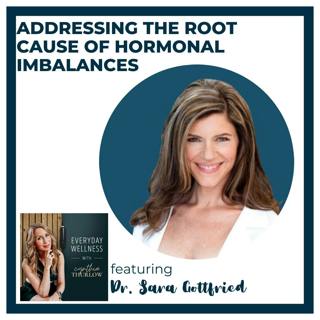
Today, I am delighted to reconnect with Dr. Sara Gottfried, a board-certified physician practicing evidence-based integrative precision and functional medicine. (She last joined me for Episode 211.) Dr. Gottfried graduated from Harvard and MIT. She is a Clinical Assistant Professor in the Department of Integrative Medicine and Nutritional Sciences at Thomas Jefferson University and the Director of Precision Medicine at the Marcus Institute of Integrative Health. She is also the author of four New York Times best-selling books, including her recent publication, The Autoimmune Cure. In our discussion today, we discuss the interrelationship between trauma and autoimmunity, highlighting its prevalence, particularly among women. We dive into the impact of trauma, explaining its correlation with autoimmune conditions and demystifying the role of the PINE network (the Psycho Immune Neuro Endocrine system). We explore triggers for perimenopause and menopause, gender differences specific to the changes in immunity and vulnerability in women, the consequences of burnout in various professions, the shortcomings of conventional allopathic methods in addressing mental health and trauma, and immunomodulation, including vitamins, polyphenols, low-dose Naltrexone, and somatic-based therapies. With Dr. Gottfried’s invaluable insights into crucial health topics, this episode is a must-listen. Stay tuned for more! IN THIS EPISODE YOU WILL LEARN: How the traumas we experience as children could make us more susceptible to autoimmune conditions later in life How trauma impacts our immune, neurological, and endocrine systems Addressing trauma through gut health, heart rate variability, and hormone balance How the metabolic and immune system changes triggered during perimenopause and menopause can make women more susceptible to autoimmune issues How men in combat and women with sexual assault show similar trauma responses How childhood trauma can shape our direction in life The potential benefits of alternative therapies like LSD, MDMA, and Ayahuasca How measuring gut health can provide valuable insights for treatment options Using low-dose Naltrexone for sleep and immune system modulation The potential of somatic therapies and breathwork for stilling the autonomic nervous system and promoting body awareness Bio: Dr. Sara Gottfried: Sara Szal Gottfried, MD, is a physician, researcher, author, and educator. She graduated from Harvard Medical School and MIT and completed a residency at UCSF, but is more likely to prescribe a CGM and personalized nutrition plan than the latest pharmaceutical. Dr. Gottfried is a global keynote speaker and the author of four New York Times bestselling books about hormones, nutrition, and health. Her latest book is called THE AUTOIMMUNE CURE (March 2024). She is a Clinical Assistant Professor in the Dept. of Integrative Medicine and Nutritional Sciences at Thomas Jefferson University and Director of Precision Medicine at the Marcus Institute of Integrative Health. She takes care of executives and professional athletes. Her focus is on the interface of mental and physical health, N-of-1 trial design, personalized molecular profiling, use of wearables, and how to leverage these tools to improve health outcomes. Connect with Cynthia Thurlow Follow on Twitter Instagram LinkedIn Check out Cynthia’s website Submit your questions to support@cynthiathurlow.com Connect with Dr. Sara Gottfried On her website On Instagram Dr. Gottfried’s new book, The Autoimmune Cure, is available from most bookstores, including Amazon and Barnes and Noble. Previous Episode Mentioned Ep. 211 – Addressing the Root Cause of Hormonal Imbalances with Dr. Sara Gottfried

Avsnitt(617)

BONUS: Are You Deficient in C15:0? – The Fastest Way to Improve Sleep, Mood & Metabolic Health with Dr. Stephanie Venn-Watson | Women’s Health & Longevity

BONUS: Are You Deficient in C15:0? – The Fastest Way to Improve Sleep, Mood & Metabolic Health with Dr. Stephanie Venn-Watson | Women’s Health & Longevity

We have another episode in a series of discussions with well-vetted guests from companies that I feel my community would benefit from hearing about Today, I speak with Dr. Stephanie Venn Watson, a veterinary epidemiologist and the co-founder and co-CEO of Serafina Therapeutics. She has worked with the World Health Organization, DARPA, and the US Navy. She has over 70 patents and has authored more than 80 peer-reviewed scientific papers, and her discoveries have featured on NPR, Science Friday, BBC, NBC, and National Geographic. Her groundbreaking discoveries around the health benefits of C15:0 are the topic of a recent book. In our conversation today, we explore longevity molecules and geno-protective molecules, why they matter, and how they work. We cover the basics of rapamycin and glucophage, then dig into the growing body of research on longevity and lifespan, specifically looking at C15:0, what it is, what it does, why it’s important, and how it’s the first essential fatty acid discovered in decades. We look at its wide-ranging pleiotropic effects on metabolic health, mood, sleep, the brain, gut, and immunity, as well as the signs of low C15:0 levels and the specific labs that can identify a deficiency. We also talk about the benefits of supplementation and improved bioavailability.  Since I have been taking C15:0 myself over the last four to five months and noticed improvements in my recovery and sleep, I’m excited to share this informative and helpful conversation, humbly dedicated to the essential saturated fatty acid, C15:0. IN THIS EPISODE, YOU WILL LEARN: • The role C15:0 plays in guiding the aging process and new findings about its benefits for the immune  system, brain, and longevity • C15:0’s emerging importance as a key player in metabolic balance • What Dr. Venn-Watson’s animal studies revealed about the mechanisms of aging in humans • Why women in midlife become more vulnerable to shifts in immune quality and cellular resilience • The ways nutritional deficiencies can appear in blood markers long before symptoms develop • What occurs with red blood cell stability and aging markers when C15:0 levels are too low • Which biomarkers are now being considered early indicators of biological aging • Formulation features of C15:0 that enhance its bioavailability • The multiple bodily systems that can benefit from supplementing with C15:0 Connect with Cynthia Thurlow   Follow on ⁠X⁠, ⁠Instagram⁠ & ⁠LinkedIn⁠ Check out Cynthia’s ⁠website⁠ Submit your questions to ⁠support@cynthiathurlow.com⁠ Join other like-minded women in a supportive, nurturing community (The Midlife Pause/Cynthia Thurlow) ⁠https://www.facebook.com/groups/themidlifepause⁠ Cynthia’s ⁠Menopause Gut Book ⁠is on presale now! Cynthia’s ⁠Intermittent Fasting Transformation⁠ Book ⁠The Midlife Pause supplement line⁠ ⁠Fatty 15⁠ Connect with Dr. Stephanie Venn-Watson ⁠Fatty 15⁠ ⁠Discover C15:0⁠ ⁠Seraphina Therapeutics⁠ ⁠LinkedIn⁠⁠ ⁠

8 Dec 53min

Ep. 526 Build Muscle, Burn Fat, Fix Your Microbiome – The Ultimate Blueprint for Healthy Body Composition with Dr. William Davis | Gut Microbiome & Menopause

Ep. 526 Build Muscle, Burn Fat, Fix Your Microbiome – The Ultimate Blueprint for Healthy Body Composition with Dr. William Davis | Gut Microbiome & Menopause

Today, I am delighted to welcome Dr. William Davis, a cardiologist and New York Times bestselling author of the Wheat Belly series. He is also the author of Undoctored, Super Gut, and his latest book, Super Body. In our conversation, we dive into the toxic diet industry and how it profits from repeatedly delivering wrong messages. We explore physiological changes in body composition that contribute to poor metabolic health and inflammation, the dangers of ectopic fat, and the influence of our environment. Dr. Davis explains the weight loss Ponzi scheme and how muscle loss drives changes in body composition. We also unpack the gut-muscle axis, the role of the microbiome in muscle building, SIBO and treatment options, and examine the broader effects of oxytocin on body composition, touching on the benefits of replacing lost biological compounds, like collagen and hyaluronic acid, the impact of Max, the microbiota, and accessible carbs, along with practical takeaways to support healthier living and better body composition. This conversation with Dr. Will Davis is incredibly insightful, and I look forward to having him back to discuss the female and vaginal microbiomes. IN THIS EPISODE, YOU WILL LEARN: The specific probiotic strain that influenced body composition in a clinical trial The benefits of fiber for your metabolism and fat distribution The role of collagen and hyaluronic acid in joint, skin, and vascular health How animal-based fibers affect the microbiome differently from plant fibers The value of fermented foods for cultivating beneficial gut microbes The long-term risks of restrictive diets  How declining estrogen alters immune function in women The lasting impact of antibiotics and past treatments on gut microbiota How to prepare your gut for a thriving microbial ecosystem The surprising effects of foundational probiotic interventions on mood and social behavior Connect with Cynthia Thurlow   Follow on X, Instagram & LinkedIn Check out Cynthia’s website Submit your questions to support@cynthiathurlow.com Connect with Dr. William Davis On his website  YouTube Blog Defiant Health (Podcast) Books

6 Dec 57min

Ep. 525 We’ve Been Misled About Metabolic Health – The Shocking Truth About Cholesterol, GLP-1 & Aging with Dr. Nick Norwitz

Ep. 525 We’ve Been Misled About Metabolic Health – The Shocking Truth About Cholesterol, GLP-1 & Aging with Dr. Nick Norwitz

I am thrilled to reconnect with Nick Norwitz today. Nick is a researcher and educator with a mission to make metabolic health a mainstream concern. He graduated valedictorian from Dartmouth College, completed his PhD in metabolism at the University of Oxford, and earned his MD at Harvard Medical School. He has become known as a clinical researcher and metabolic health educator, speaking and writing on various topics, including brain health, microbiome, mitochondrial function, cholesterol, and more.  In our conversation, we discuss the challenges of providing evidence-based medicine, and Nick shares his personal story of overcoming inflammatory bowel disease with a ketogenic diet. We explore the research on statins reducing endogenous GLP-1 production, highlighting the importance of staying curious. We also clarify the different types of type 2 diabetes, the effects of biomolecular aging, and different perspectives on Lp(a).  Nick always provides thoughtful and valuable insights on a range of topics. His Substack is one of my favorites, sharing several ways to enhance your learning process, as a clinician or a layperson. IN THIS EPISODE, YOU WILL LEARN: How his struggle with inflammatory bowel disease led Nick to realize that the evidence-based care of western medicine is not always the best type of care, and how a ketogenic diet saved his life How a recent study highlighted several major physical issues statins cause, yet it went largely unnoticed in medicine and the media The need for clinicians to inform their patients about the potential side effects of their medications How physicians tend to ignore evidence in favor of one-sided messaging that erodes trust and undermines informed care The importance of remaining curious and acknowledging that what you learned initially might be incorrect How technological advances will make personalized medicine the future of healthcare The limitations of traditional one-size-fits-all randomized controlled trials The sub-phenotypes of type 2 diabetes How enzyme inhibitors (like statins) disrupt the gut microbiome How metabolic health and oxidative stress affect Lp(a), and how vitamin C can potentially reduce its impact Bio: Nick Norwitz Nick Norwitz, MD, PhD, is a researcher-educator whose mission is to “Make Metabolic Health Mainstream.” He graduated Valedictorian from Dartmouth College, majoring in Cell Biology and Biochemistry, before completing his PhD in Metabolism at the University of Oxford and his MD at Harvard Medical School.  Nick has made a name for himself as a clinical research and metabolic health educator, speaking and writing on topics ranging from brain health, the microbiome, and mental health to muscle physiology, mitochondrial function, and cholesterol and lipids. His mantra is “Stay Curious.” Connect with Cynthia Thurlow   Follow on X, Instagram & LinkedIn Check out Cynthia’s website Submit your questions to support@cynthiathurlow.com Connect with Nick Norwitz On YouTube, X, and Instagram His Substack

3 Dec 57min

BONUS: Muscle Strength in Menopause: Key Tests & Lifestyle Measures with Dr. Vonda Wright

BONUS: Muscle Strength in Menopause: Key Tests & Lifestyle Measures with Dr. Vonda Wright

I am thrilled today to have the opportunity to speak with Dr. Vonda Wright, a practicing double-boarded orthopedic sports surgeon who has positioned herself at the intersection of longevity, women's health, and performance.  Dr. Wright is a great advocate for women's health, well-known and highly regarded for her frequent media appearances and thought leadership. In our discussion, we cover the importance of menopausal literacy and the impact of musculoskeletal syndrome in menopause, focusing on the critical decade, bone health, risk factors, and how to assess muscle strength. Dr. Wright shares her formula for strength training, and we explore the benefits of Zone 2 sprint training, examining the importance of V02-Max testing, particularly for frail individuals. We also address common musculoskeletal issues and essential lifestyle practices for maintaining orthopedic health.  This insightful conversation with Dr. Vonda Wright is one of my top picks on the podcast. I know you will love it! IN THIS EPISODE YOU WILL LEARN: What menopausal literacy means The symptoms of musculoskeletal syndrome during menopause The roles estrogen and testosterone play in the musculoskeletal system Why it is essential to focus on your health and notice any hormonal changes in the critical decade between the ages of 35 and 45  How the loss of loss of muscle mass and strength can lead to frailty and a risk of falling in middle-aged patients Why women must base their decisions regarding estrogen on facts The benefits of making smart nutrition, exercise, and sleep your priorities The exercise Dr. Wright recommends for improving cardiovascular fitness How weightlifting and trampoline rebounding in midlife supports bone health  How to use how to use V02 Max data to track your fitness level Some essential nutritional factors for supporting midlife health  Bio: Dr. Wright is a practicing double-boarded Orthopaedic Sports Surgeon, Author, Speaker, Researcher, and Innovator whose work stands at the intersection of Longevity / Women’s Health / Performance. Widely recognized for her thought leadership, Dr Wright is a frequent media and conference expert. Her innovative science-based approach is changing the lives of millions in mid-life. Dr Wright practices in Lake Nona, Florida, and is the founder and CEO of Precision Longevity. Connect with Cynthia Thurlow   Follow on X ⁠Instagram⁠ ⁠LinkedIn⁠ Check out Cynthia’s ⁠website⁠ Submit your questions to ⁠support@cynthiathurlow.com⁠ Connect with Dr. Vonda Wright On her⁠ website⁠ On⁠ Facebook⁠ ⁠Instagram⁠ ⁠X.com⁠ ⁠LinkedIn⁠ Leave a message on VIP Phone Number (407)-232-2334

1 Dec 1h 1min

Ep. 524 The Truth About Creatine Monohydrate – How to Boost Strength, Bones & Longevity with Mike Mutzel

Ep. 524 The Truth About Creatine Monohydrate – How to Boost Strength, Bones & Longevity with Mike Mutzel

Today, I am delighted to be joined by a friend and colleague, Mike Mutzel.  Mike has a master's in Clinical Nutrition from the University of Bridgeport. He is a graduate of the IFM, applies functional medicine in clinical practice, and is a consultant lecturer who teaches leading-edge science in a concise format for progressive clinicians to prevent chronic diseases.  In our discussion, Mike and I unpack the benefits of creatine monohydrate, highlighting the importance of ensuring the products we use are free of impurities. We explain how creatine monohydrate gets created, answer many listener questions, and describe current research specific to creatine monohydrate, discussing ways to support bone health, navigate dosing, and how to troubleshoot.  This conversation with Mike Mutzel is truly invaluable, and I look forward to having him back on the podcast to dive a little deeper into the science.  IN THIS EPISODE, YOU WILL LEARN: How creatine supports energy production across muscles, the brain, and other organ systems Why vegetarians and vegans should take creatine What to consider when choosing high-quality creatine supplements Dosing strategies based on diet, exercise, sleep, and individual needs How taking creatine with electrolytes while exercising can improve absorption Benefits of supplementing with amino acids alongside creatine for illness, recovery, or when protein intake is low Adjusting your creatine dosage for sleep, travel, or exercise demands How creatine supports bone and muscle health  The value of creatine for the eyes and ears Connect with Cynthia Thurlow   Follow on X, Instagram & LinkedIn Check out Cynthia’s website Submit your questions to support@cynthiathurlow.com Connect with Mike Mutzel On his website YouTube Instagram High Intensity Health Podcast Creatine Research: Creatine in Women's Health: Bridging the Gap From Menstruation Through Pregnancy to Menopause Effects of Creatine and Resistance Training on Bone Health in Postmenopausal Women Creatine Supplementation (3 g/d) and Bone Health in Older Women: A 2-Year, Randomized, Placebo-Controlled Trial Creatine Supplementation in Depression: A Review of Mechanisms, Efficacy, Clinical Outcomes, and Future Directions The Effects of 8-Week Creatine Hydrochloride and Creatine Ethyl Ester Supplementation on Cognition, Clinical Outcomes, and Brain Creatine Levels in Perimenopausal and Menopausal Women (CONCRET-MENOPA): A Randomized Controlled Trial

29 Nov 39min

Ep. 523 This Is Why Your Cholesterol Shifts in Midlife – The Best Strategies to Reduce Risk & Improve Vascular Health with Dr. Thomas Dayspring

Ep. 523 This Is Why Your Cholesterol Shifts in Midlife – The Best Strategies to Reduce Risk & Improve Vascular Health with Dr. Thomas Dayspring

I am excited to reconnect with Dr. Tom Dayspring today. He joined me before for an extremely popular seven-part podcast series where we tackled topics related to lipids and the physiological shifts that occur as we transition from perimenopause into menopause. Dr. Dayspring graciously agreed to return today for an Ask Me Anything episode, where we explore how lipids change as we navigate the perimenopause-to-menopause transition and discuss the significance of bioindividuality, inflammation, vascular health, and endothelial function in the context of changing estrogen levels. Dr. Dayspring also clarifies how visceral fat affects lipid levels, and we discuss testing for cardiovascular disease, the relevance of particle size, LPIR scores, and physical markers of insulin resistance.  Stay tuned for today’s valuable and fascinating conversation. I will share the second AMA with Dr. Dayspring later this fall. IN THIS EPISODE, YOU WILL LEARN: How estrogen loss impacts lipid metabolism in midlife Shifts in vascular health that occur during the menopause transition What makes endothelial function central to long-term health? Why triglycerides matter more than you think How variations in LDL particle size influence cardiovascular risk What standard cholesterol tests could miss about your cardiovascular health How inflammation can alter your lipid profile How your genes and lifestyle shape your lipid profile Markers women need to track over and above standard cholesterol tests How menopause reshapes women’s cardiovascular risk profile Connect with Cynthia Thurlow   Follow on X, Instagram & LinkedIn Check out Cynthia’s website Submit your questions to support@cynthiathurlow.com Connect with Dr. Thomas Dayspring On X (@DrLipid) On LinkedIn

26 Nov 1h 11min

BONUS: Stop Wasting Hours on CE! – The New High-Impact Method Every Healthcare Provider Needs with Karen DiMarco & Wendy Harrold

BONUS: Stop Wasting Hours on CE! – The New High-Impact Method Every Healthcare Provider Needs with Karen DiMarco & Wendy Harrold

Karen DiMarco and Wendy Harrold join me today for another episode in the podcast series featuring carefully curated professional companies I want to introduce to my community.  Karen is a nurse with over 30 years of experience. She is on a mission to transform healthcare through innovative business ventures. She has assisted in revolutionizing traditional continuing education by aligning with research on how nurses learn and retain knowledge most effectively, ultimately to improve patient outcomes. Wendy has over two decades of experience in the wellness and healthcare continuing education industry. She has a strong passion for holistic health and is committed to advancing education. She has played a pivotal role in developing innovative and impactful programs to bridge the gap between traditional medical practices and emerging wellness trends. In our conversation, we explore the evolution of continuing professional education, now referred to as continuing professional development. We examine why triggering our learning response truly matters, why self-directed learning is the future, and the current challenges with continuing education regarding delivery and time constraints. We also dive into deprogramming from past training methodologies and discuss the current ANCC guidelines, various types of learning, and the benefits of sapiency for supporting continuing education and reflective practice through artificial intelligence.  This discussion is relevant for medical providers and all interprofessionals, including clergy, attorneys, and other healthcare professionals. It is definitely one you will want to revisit. IN THIS EPISODE, YOU WILL LEARN: How reflective practice is transforming continuing education for healthcare professionals The value of self-directed learning over traditional, prescriptive CE methods How AI-guided reflection personalizes knowledge acquisition and retention The role of interprofessional conversations in accelerating practical learning How clinicians can earn CE credits by exploring topics relevant to their practice The benefits of panel discussions and expert debates for integrating new research How freedom in learning encourages critical thinking and intellectual curiosity The impact of moral injury and cognitive dissonance on clinical decision-making How structured programs support clinicians transitioning to self-directed learning The benefits of reflective practice for bringing research evidence into daily patient care Connect with Cynthia Thurlow   Follow on X, Instagram & LinkedIn Check out Cynthia’s website Submit your questions to support@cynthiathurlow.com Connect with Karen DiMarco and Wendy Harrold Sapience Email: hello@sapiencepro.co    https://sapience-affiliate.peachs.co/a/cynthia-thurlow

24 Nov 57min

Ep. 522  Menopause Is Wrecking Your Gut – The Best Nutrition Fixes for Midlife Women with Dr. Sarah Berry

Ep. 522 Menopause Is Wrecking Your Gut – The Best Nutrition Fixes for Midlife Women with Dr. Sarah Berry

I am delighted to connect with Dr. Sarah Berry today. She is a professor at King's College London and the Chief Scientist at the science and nutrition company, Zoe. As an academic leader in nutrition science, Sarah has conducted over 35 human nutritional studies, and she currently leads the world's largest in-depth nutrition research project, the ZOE Predict Study. Her research is at the forefront of personalized nutrition, deepening our understanding of fats and the structure of food. Her recent studies explore menopause, snacking, cardiometabolic health, and more.  In our conversation today, we explore the general tendency of social and other media to misrepresent nutrition and discuss the importance of the food landscape, the food matrix, and fiber in addition to bioindividuality and personalized nutrition. Dr. Berry explains why bowel cancer rates in young adults are increasing and the potential drivers of that, and we dive into the impact of the exposome, the influence of menopause on our microbiome, and cardiometabolic risk factors. We examine the importance of polyphenols and other bioactive compounds, the demonization of fats and cholesterol, and we tackle the misinformation surrounding seed oils, clarifying why we should remain open-minded. We also share some simple swaps that women in perimenopause and menopause can apply.  This conversation with Dr. Sarah Berry is rich and thought-provoking, so you will likely want to listen to it more than once. IN THIS EPISODE, YOU WILL LEARN: How food labelling is so often misleading Why you should be cautious about taking nutritional advice from medical influencers The importance of considering the underlying factors that determine how healthy a particular food is   Why fiber is essential for a healthy microbiome How to avoid discomfort by spreading your fiber intake throughout the day The importance of personalized nutrition Potential drivers of early-onset colorectal cancer How the microbiome composition changes after menopause The value of polyphenols and dietary fat  Dr. Berry debunks common misconceptions about seed oils versus butter Some simple swaps to help women in perimenopause and menopause get enough fiber into their diets Bio:  Professor Sarah Berry Sarah is a Professor at King’s College London and Chief Scientist at ZOE, the science and nutrition company. As an academic leader in Nutrition Science, Sarah has conducted over 35 human nutrition studies and currently leads the world's largest in-depth nutrition research program, the ZOE PREDICT study. Her research is at the forefront of personalised nutrition, our understanding of fats, and the food structure. Sarah’s recent studies explore topics such as menopause, snacking, and cardiometabolic health. She’s often featured as an expert on ZOE's own podcast, ZOE Science and Nutrition, and regularly appears on television and radio to translate complex science into useful advice. Connect with Cynthia Thurlow   Follow on X, Instagram & LinkedIn Check out Cynthia’s website Submit your questions to support@cynthiathurlow.com Connect with Dr. Sarah Berry On Instagram The Zoe Science and Nutrition Podcast

22 Nov 1h 4min

Populärt inom Vetenskap

svd-nyhetsartiklar
p3-dystopia
dumma-manniskor
allt-du-velat-veta
det-morka-psyket
rss-vetenskapsradion
kapitalet-en-podd-om-ekonomi
rss-vetenskapspodden
medicinvetarna
rss-vetenskapsradion-2
dumforklarat
sexet
4health-med-anna-sparre
doden-hjarnan-kemisten
rss-ufobortom-rimligt-tvivel-2
rss-i-hjarnan-pa-louise-epstein
paranormalt-med-caroline-giertz
barnpsykologerna
vetenskapsradion
ideer-som-forandrar-varlden