128. Why Staying Silent in Therapy Is Costing You More Than You Think

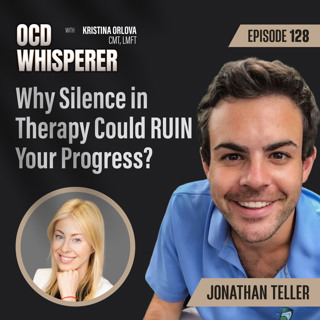
128. Why Staying Silent in Therapy Is Costing You More Than You Think

Many people struggle to speak up about their mental health needs, even when their treatment isn’t working. Why does self-advocacy feel so daunting?

In this episode of The OCD Whisperer Podcast, host Kristina Orlova welcomes Jonathan Teller, a third-year clinical psychology PhD student at Northern Illinois University. Together, they explore the challenges of self-advocacy in healthcare and why it’s such an important skill for navigating mental health treatment.

Jonathan shares thoughtful insights on overcoming barriers like fear of judgment or limited resources. From writing down concerns before appointments to involving trusted loved ones in therapy sessions, he offers practical strategies for making your voice heard. If accessing care feels out of reach due to financial or geographical limitations, they discuss creative solutions like self-study tools, free resources, and online communities.

They also dig into the bigger picture: why treatment is just the beginning of the journey and how continued effort, especially after intensive programs, is key to lasting progress.

This episode is packed with actionable advice and compassionate perspectives to empower you to take control of your mental health.

Ready to find your voice and take the next step? Tune in now!

In This Episode

  • [00:00:03] Introduction to the podcast
  • [00:01:18] Importance of self-advocacy
  • [00:02:34] Barriers to self-advocacy
  • [00:04:54] Strategies for effective communication
  • [00:07:02] Accessing mental health care
  • [00:10:02] Researching treatment options
  • [00:11:39] Understanding levels of care
  • [00:14:10] Challenges with insurance and treatment
  • [00:15:29] Continuing care after treatment
  • [00:18:09] Balancing family concerns and autonomy
  • [00:18:22] The importance of education in OCD
  • [00:19:35] Exploring treatment options
  • [00:20:36] Flexibility in seeking help
  • [00:22:31] Utilizing digital resources
  • [00:22:59] Recommended podcasts
  • [00:24:13] Feeling connected through stories
  • [00:25:06] Closing remarks and resources

Notable Quotes

  • [00:02:00] "When I think of self-advocacy in healthcare settings, I think, for example, if one is in treatment for mental health and they are receiving a specific type of therapeutic intervention, and that intervention might not be working for them, it could be very difficult for the patient to speak up and say to the clinician, 'Hey, is it possible for us to try a different type of therapy modality?'" - Jonathan Teller

  • [00:04:00] "I think there are internal and external barriers to self-advocacy. Internal barriers could be anxiety—'If I speak up, maybe I'll insult the therapist'—while external barriers could be family members, insurance, and other systemic factors." - Jonathan Teller

  • [00:05:00] "One option for patients is to write down their concerns before a session. If they don’t feel comfortable sharing them out loud, they can hand the clinician a sheet of paper. That might be easier than speaking directly." - Jonathan Teller

  • [00:06:00] "I’m a big fan of writing things down. My mom used to prepare pages of questions before seeing her doctor, and I used to make fun of her for it. But in hindsight, I realize how valuable it is—it helps you think through what you want to get out of the appointment." - Kristina Orlova

  • [00:08:00] "If you have health insurance, you can call your provider and get a list of different clinicians in your area who take your insurance. If you don't, looking for pro bono work or online resources could be a starting point." - Jonathan Teller

  • [00:13:00] "There's a common misconception that when one goes to a residential treatment facility and they leave, the work is done. But the work has really only started." - Jonathan Teller

  • [00:17:00] "There’s a big misconception that once you complete a treatment program, you’re done. But OCD is a lifelong condition, and the real work begins when you leave treatment and start applying the tools in everyday life." - Kristina Orlova

  • [00:18:00] "Education is critical for both patients and their families. Loved ones often accommodate compulsions because they think it’s the right thing to do. But once they understand OCD and how accommodation maintains symptoms, they can start making real changes." - Jonathan Teller

Our Guest

Jonathan Teller is a third-year clinical psychology PhD student at Northern Illinois University, specializing in the study of anxiety and obsessive-compulsive disorders (OCD). His research focuses on uncovering the factors and mechanisms that influence the onset and maintenance of these conditions. With a strong interest in evidence-based practices, Jonathan is dedicated to exploring ways to enhance the effectiveness of cognitive behavioral therapy (CBT) and exposure and response prevention (ERP) therapy to improve clinical outcomes.

Beyond his research, Jonathan is deeply committed to expanding access to mental health care and breaking down the stigma surrounding mental health. He is a passionate advocate for education and awareness, striving to create a world where mental health care is accessible, equitable, and understood. Jonathan’s work bridges the gap between research and practice, aiming to make meaningful contributions to both the scientific community and those seeking support for their mental health.

Resources & Links

Kristina Orlova, LMFT

Jonathan Teller

Mentioned

  • Sneaky Rituals with Jenna Overbaugh
  • ICBT with Kristina Orlova and Christina Ennabe
  • OCD CBT Journal Tracker and Planner

Disclaimer

Please note while our host is a licensed marriage and family therapist specializing in OCD and anxiety disorders in the state of California, this podcast is for educational purposes only and should not be considered a substitute for therapy.

Stay tuned for biweekly episodes filled with valuable insights and tips for managing OCD and anxiety. And remember, keep going in the meantime. See you in the next episode!

Det här avsnittet är hämtat från ett öppet RSS-flöde och publiceras inte av Podme. Det kan innehålla reklam.

Avsnitt(202)

202. Why OCD Makes You Think Your Thoughts Mean Something

202. Why OCD Makes You Think Your Thoughts Mean Something

What if your OCD thoughts actually mean something about who you are?   In this episode, Kristina explores: • Why OCD can make an intrusive thought feel like evidence • Why feeling convinced does not m...

26 Sep 8min

201. Why You Can’t Stop Comparing Yourself to Your Partner’s Ex (OCD)

201. Why You Can’t Stop Comparing Yourself to Your Partner’s Ex (OCD)

Can’t stop thinking about your partner’s ex? You might be caught in the OCD cycle of retroactive jealousy.   In this episode of The OCD Whisperer Podcast, Kristina Orlova speaks with Danielle Jhiani o...

19 Sep 36min
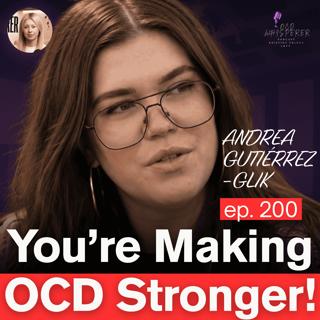
200. Why OCD Makes Every Thought Feel Important

200. Why OCD Makes Every Thought Feel Important

What if the person treating your OCD has lived through it too?   In this episode of The OCD Whisperer Podcast, Kristina Orlova speaks with Andrea Gutiérrez-Glik, LCSW, an OCD, anxiety, and complex PTS...

5 Sep 22min
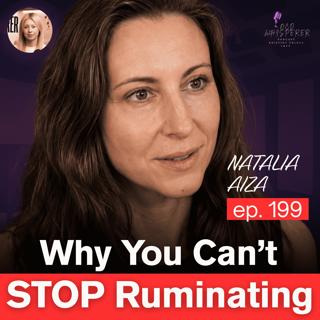
199. Why OCD Won’t Let You Leave the Thought Alone

199. Why OCD Won’t Let You Leave the Thought Alone

What if the thing keeping you stuck in OCD isn’t the thought itself...but everything you do to try to finally feel certain?   In this episode of The OCD Whisperer Podcast, Kristina Orlova speaks with ...

29 Aug 25min
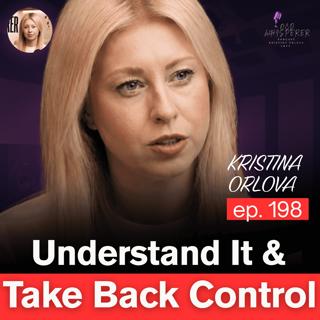
198. Everything You Need to Know About Anxiety in 10 Minutes

198. Everything You Need to Know About Anxiety in 10 Minutes

Is your anxiety keeping you stagnant or is it really helping you?   In this episode of The OCD Whisperer Podcast, Kristina Orlova examines generalized anxiety in more detail, including how it impacts ...

22 Aug 10min
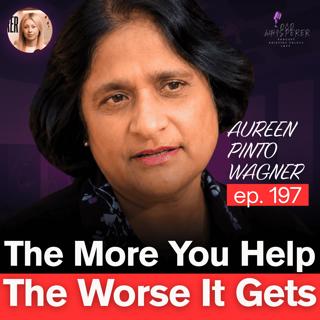
197. How to Help Your Child With OCD Without Feeding the OCD Cycle

197. How to Help Your Child With OCD Without Feeding the OCD Cycle

Is it possible to assist a youngster with OCD without unintentionally exacerbating it?   In this episode of The OCD Whisperer Podcast, Kristina Orlova talks with Aureen Pinto Wagner, Ph.D. , a clinica...

15 Aug 19min
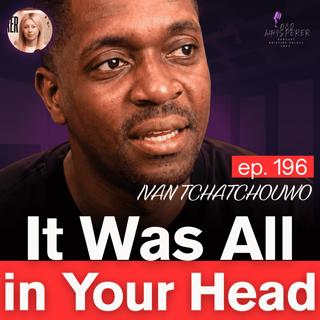
196. Why You Think Everyone Is Watching You

196. Why You Think Everyone Is Watching You

Nobody sees the pressure you're carrying...but it's changing the way you live.   In this episode of The OCD Whisperer Podcast, Kristina Orlova speaks with Ivan Tchatchouwo, CEO & Co-Founder of The Zon...

1 Aug 28min
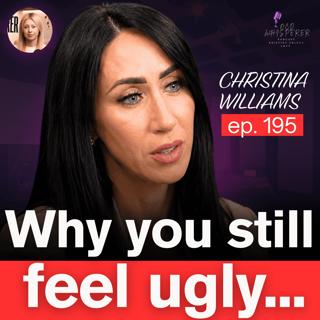
195. Why Nothing You Change Ever Feels Enough (Body Dysmorphia)

195. Why Nothing You Change Ever Feels Enough (Body Dysmorphia)

What Bodybuilding Taught Me About Mental Health (No One Talks About This)   In this episode of The OCD Whisperer Podcast, Kristina Orlova sits down with Christina Williams—IFBB Professional Bodybuilde...

25 Juli 40min

Populärt inom Hälsa

somna-med-henrik
rss-jossan-nina
rss-vuxna-pa-latsas
inga-beiga-morsor
bullfika
rss-bara-en-till-om-beroende-medberoende
rss-i-skallen-pa
not-fanny-anymore
sexnoveller-deluxe
angestpodden
rss-viktmedicinpodden
johannes-hansen-podcast
rss-ronden
sova-med-dan-horning
halsoveckan-by-tyngre
sa-in-i-sjalen
rss-basta-livet
rss-traningsklubben
tyngre-radio
rss-pappahjartat