
Possible Signature Of Life Detected On Exoplanet—Maybe | A Colossal Squid Video
Science Friday18 Apr 2025

Possible Signature Of Life Detected On Exoplanet—Maybe | A Colossal Squid Video

The Webb Space Telescope picked up traces of dimethyl sulfide on planet K2-18b. On Earth, the molecule comes from microbes and phytoplankton. Also, researchers captured the first confirmed video of a colossal squid swimming in its natural habitat—almost 2,000 feet deep.

Possible Signature Of Life Detected On Exoplanet—Maybe

In major galactic news, scientists may have detected possible signs of life on a planet right here in our galaxy. Is this one of the best hints we’ve gotten that alien life exists? Host Flora Lichtman gets into it with Anil Oza, the Sharon Begley Science Reporting Fellow at STAT and MIT. They discuss the latest in alien life, the Trump’s administration cuts to the “indirect costs” of science funding, the largest map of a brain yet, and how salmon on anti-anxiety meds make bolder choices.

A Colossal Squid Video? That’s A Big Deal

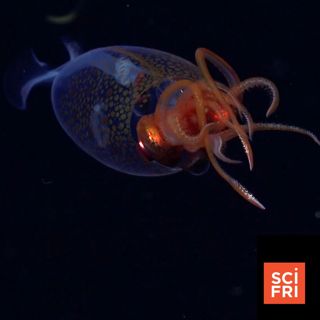
This week, scientists announced that they had captured the first confirmed video of a colossal squid in its natural habitat, recorded some 1,968 feet (600 m) below the ocean surface near the South Sandwich Islands. While there have been sightings of the colossal squid before, they have mainly been of individuals entangled with fishing equipment—and much of what is known about the elusive creatures comes from dead specimens.

The video was captured by scientists on board the R/V Falkor (too) during an Ocean Census expedition searching for new marine life. As the remotely operated vehicle SuBastian descended towards the ocean floor, its cameras caught sight of a juvenile squid roughly one foot long (30 cm), and captured over a minute of high resolution video. The footage was later analyzed by experts and determined to be a colossal squid.

Colossal squid are estimated to grow up to 23 feet (7 m) in length and can weigh as much as 1,100 pounds (500 kg), making them the heaviest invertebrate on the planet. They are not the same as the giant squid, an entirely different species, which can grow to be longer but are lighter and slimmer.

Dr. Kat Bolstad, one of the squid experts the researchers sent their videos to for identification, joins Host Flora Lichtman to talk about the sighting.

Transcripts for each segment will be available after the show airs on sciencefriday.com.

Subscribe to this podcast. Follow our show on Instagram, TikTok, Facebook, and Bluesky @scifri and sign up for our newsletters. Got a science question that’s keeping you up at night? Call us: 877-472-4374


Hosted by Simplecast, an AdsWizz company. See pcm.adswizz.com for information about our collection and use of personal data for advertising.

Det här avsnittet är hämtat från ett öppet RSS-flöde och publiceras inte av Podme. Det kan innehålla reklam.

Avsnitt(1381)

What can moments of lucidity teach us about Alzheimer’s?

What can moments of lucidity teach us about Alzheimer’s?

Watching a loved one with Alzheimer's or dementia slowly lose their cognitive abilities can be heartbreaking. While the person you once knew seems to be slipping away, sometimes people with Alzheimer'...

18 Aug 17min
Colorado’s snow drought deals a major blow to recreation

Colorado’s snow drought deals a major blow to recreation

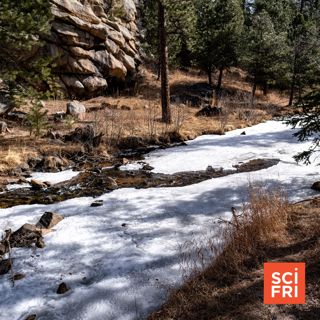
Winter in Colorado looked very different this year. Many parts of the state experienced record-high temperatures and record-low snowpack, which had downstream effects on farming, sports, tourism, and ...

17 Aug 11min
How do you find a ‘lost’ species?

How do you find a ‘lost’ species?

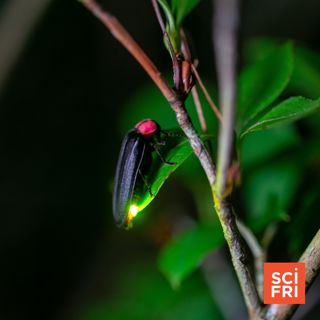
The earth is facing a biodiversity crisis, and there’s a lot of attention on species that are threatened, or at risk of dying out completely. But, there’s another critter category that’s a little more...

14 Aug 18min
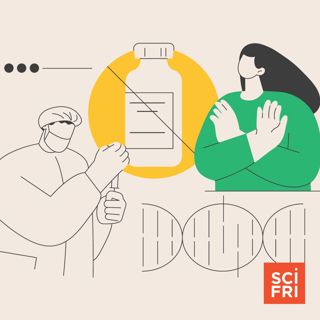
What we get wrong about vaccine hesitancy

What we get wrong about vaccine hesitancy

President Trump has signed an executive order calling for a change to the childhood vaccination schedule. Specifically, he wants to separate the MMR vaccine, which protects against measles, mumps, and...

13 Aug 12min
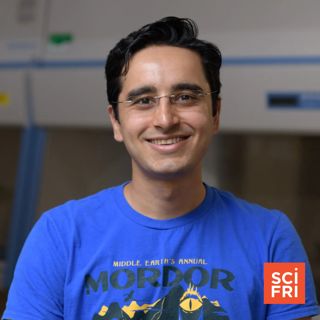
Why this lab studies the speed of bug pee and other curiosities

Why this lab studies the speed of bug pee and other curiosities

In a lab in the Rocky Mountains, a group of scientists is hard at work trying to find answers across biology, physics, and engineering: They’re looking into things like the hydrodynamics of insect pee...

12 Aug 18min
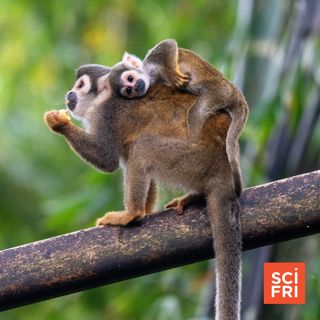
Some primates undergo even more extreme childbirth than humans

Some primates undergo even more extreme childbirth than humans

Human childbirth is often difficult and incredibly painful—just ask anyone who’s been through it. And for a long time, childbirth seemed to be uniquely difficult for humans. But a new study suggests t...

11 Aug 11min
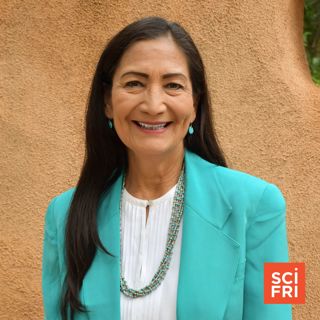
Deb Haaland is a politician, and proud of it

Deb Haaland is a politician, and proud of it

Former Interior Secretary Deb Haaland, a member of the Laguna Pueblo tribe, was the first Native person to hold a cabinet position. Now she’s running to be governor of New Mexico.  Haaland joins Host ...

10 Aug 17min

Sitting all day is terrible for us. Moving a little can help

Sitting all day is terrible for us. Moving a little can help

Keeping your butt in a seat for hours a day increases the risk of heart attacks, diabetes, psychiatric conditions, and more. But in our tech-filled world, many of us lead sedentary lives, whether beca...

7 Aug 18min

Populärt inom Vetenskap

dumma-manniskor
p3-dystopia
allt-du-velat-veta
hacka-livet
bildningspodden
rss-vetenskapsradion
medicinvetarna
halsorevolutionen
svd-nyhetsartiklar
ufo-sverige
rss-vetenskapsradion-2
rss-ufobortom-rimligt-tvivel
sexet
paranormalt-med-caroline-giertz
vetenskapsradion
det-morka-psyket
rss-spraket
rss-kriminologerna
barnpsykologerna
psykologisk-forskning