Are Larger Patch Sizes Better When Planting for Pollinators?

Are Larger Patch Sizes Better When Planting for Pollinators?

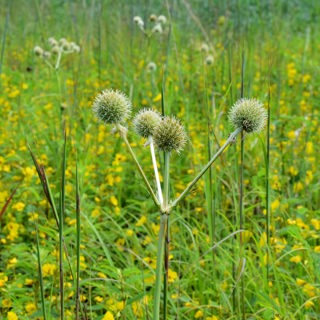
When it comes to planting for pollinators or gardening for pollinators, the traditional advice has always been to plant larger patch sizes or clumps of plants. The thought is that the larger patch sizes will be easier to see and more attractive to pollinators than smaller clumps or patch sizes. But saying that assumes that all pollinators are attracted to the same thing and that they respond to different species of plants in the same way.

In this episode of the Backyard Ecology podcast, we talk with Tristan Barley. Tristan recently received his Masters degree from Miami University in Ohio, and is currently a PhD student in Entomology at the University of Illinois. The research that Tristan conducted for his Master's thesis questioned the traditional advice.

Tristan's research looked at whether all pollinators prefer larger patch sizes and whether those preferences would vary not only based on the type of pollinator but also based on the type of plant. Perhaps, not surprisingly, he found that patch size preferences were different for some pollinators compared to others, specifically bumble bees and some of our tiny bees. He also found that the species of flower sometimes influenced the pollinator's patch size preference. In addition, Tristan looked at how different patch sizes affected seed production in one of the plant species he studied. It was interesting to think about the influences of patch size from the plant's perspective, and not just from the pollinator's perspective.

Our conversation discussed his research including what his findings meant from a practical standpoint and how we can apply his findings in our own pollinator gardens and pollinator plantings. We also talked about how many different types of animals visit flowers and how much happens on a flower. We both recommend taking time to just stare at a flower and enjoy getting to know everything that visits the flower.

Links:

Episode image:

Avsnitt(115)

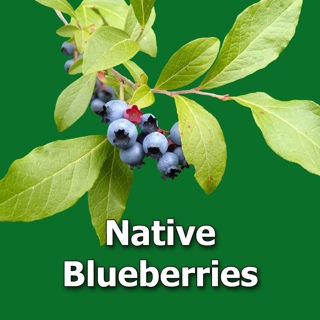
9 Native Blueberries You Can Grow in the Home Landscape

9 Native Blueberries You Can Grow in the Home Landscape

Summary Our native Vacciniums, what we commonly call the blueberries, are keystone plants which support tons of pollinators and wildlife. They also produce yummy berries which we can eat. In this epis...

10 Juli 202514min
Choose the Best Native Milkweed for Your Eastern U.S. Garden

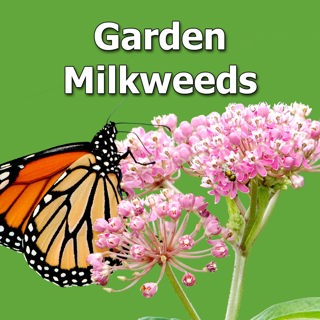
Choose the Best Native Milkweed for Your Eastern U.S. Garden

Summary Milkweeds are a common component of butterfly and pollinator gardens. Not only are they important for monarch caterpillars, but they are also used by a wide variety of pollinators. There are l...

26 Juni 202519min
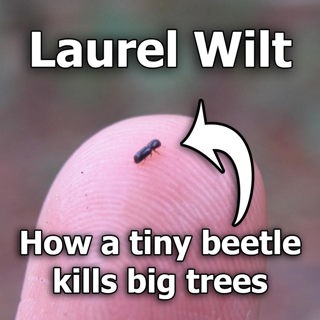
Laurel Wilt: How Tiny Beetles Can Kill Huge Trees

Laurel Wilt: How Tiny Beetles Can Kill Huge Trees

Summary In this episode, we dive deep into Laurel Wilt Disease which is a vascular wilt disease affecting trees in the Lauraceae family, such as sassafras, spicebush, and redbay. We discuss its histor...

12 Juni 20251h 17min
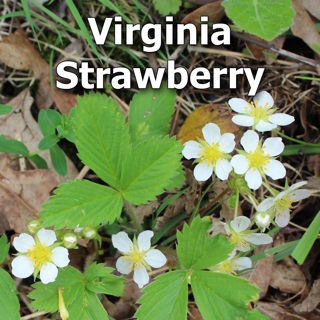
Virginia strawberry: A Beautiful, Tasty, and Underutilized Native Groundcover

Virginia strawberry: A Beautiful, Tasty, and Underutilized Native Groundcover

Summary The Virginia strawberry (Fragaria virginiana) is our most widespread native wild strawberry in the eastern U.S. It supports a wide range of pollinators and wildlife. It can also make an amazin...

29 Maj 20256min
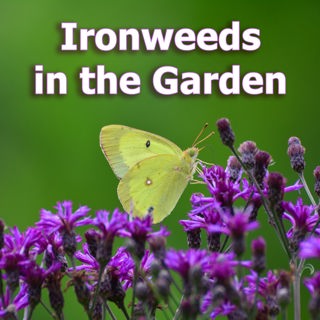
Ironweed's Beauty and Ecological Value in Your Garden: Mt. Cuba's Vernonia Trial

Ironweed's Beauty and Ecological Value in Your Garden: Mt. Cuba's Vernonia Trial

Summary Each fall, the beautiful, rich, purple blooms of ironweeds (Vernonia spp.) grace fields and open areas throughout much of the eastern U.S. They are an ecological powerhouse for pollinators and...

15 Maj 202557min
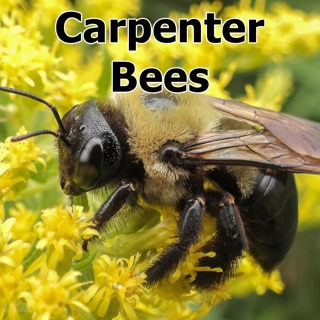
Eastern Carpenter Bees: How to Peacefully Co-exist and Why They Are Important

Eastern Carpenter Bees: How to Peacefully Co-exist and Why They Are Important

Summary While carpenter bees get a bad rap, they are also important pollinators and play a vital role in the ecosystem. Their bad reputation can also sometimes be overblown. So, let's talk a little bi...

1 Maj 202515min
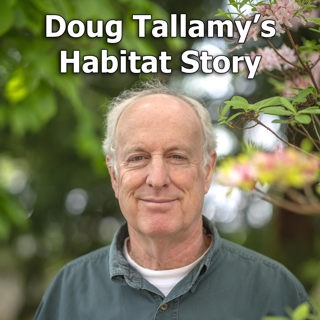
Doug Tallamy's Habitat Restoration Story and How You Can Help Save Nature

Doug Tallamy's Habitat Restoration Story and How You Can Help Save Nature

Summary Dr. Doug Tallamy shares the story of how he and his wife transformed their newly built home located on a former hayfield into a thriving forest ecosystem. We talk about how they got started, t...

17 Apr 202549min
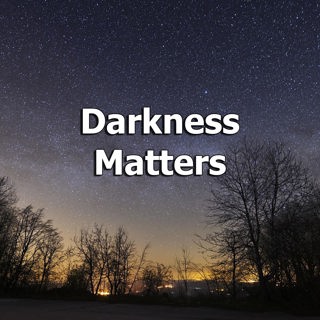
Darkness Matters: Light Pollution's Threats and Simple Ways to Help

Darkness Matters: Light Pollution's Threats and Simple Ways to Help

Summary Darkness is a vital, and often overlooked, component of our ecosystems. Unfortunately, we're losing it to light pollution. Decreasing the light pollution around your home will not only benefit...

3 Apr 202510min

Populärt inom Vetenskap

p3-dystopia
dumma-manniskor
svd-nyhetsartiklar
kapitalet-en-podd-om-ekonomi
doden-hjarnan-kemisten
allt-du-velat-veta
rss-ufo-bortom-rimligt-tvivel-2
rss-vetenskapsradion
bildningspodden
det-morka-psyket
rss-vetenskapsradion-2
paranormalt-med-caroline-giertz
medicinvetarna
sexet
rss-spraket
dumforklarat
har-vi-akt-till-mars-an
rss-experimentet
barnpsykologerna
vetenskapsradion