Checking In After 50 Episodes of the Backyard Ecology Podcast

Checking In After 50 Episodes of the Backyard Ecology Podcast

I can't believe that I've been podcasting for a year and a half and that this is my 50th episode of the Backyard Ecology podcast! I am truly honored and humbled that so many people enjoy hearing what I have to say and are following the podcast.

Looking back, we've covered such a wide range of subjects including:

  • crayfish,
  • land snails (I still laugh every time I think about that episode),
  • lightning bugs,
  • hummingbirds,
  • grassland ecosystems,
  • all kinds of topics related to gardening for pollinators,
  • probably just as many topics related to gardening with native plants,
  • vernal pools,
  • invasive species,
  • habitat management,
  • and much, much more.

I'm eternally grateful for all of the scientists, educators, and resource managers who have taken the time to talk with us. I've had so much fun learning from and geeking out with each of them.

I also appreciate each of you who have taken the time to email me and share your own thoughts, experiences, and discoveries. Those emails always bring a smile to my face.

As this 50th episode approached, I kept trying to think of the "perfect" topic to cover. After all, isn't 50 supposed to be a big milestone? Regardless of whether we're talking birthdays, anniversaries, or podcast episodes. But the more I thought about it, the more I realized that I really didn't want to do a typical episode this time.

Instead, I wanted to stop a second and check in with you. I wanted to find out your thoughts. After all, I don't want to just be blabbering into the digital airwaves. I want the Backyard Ecology podcast to be valuable to you and that means I need to make sure it is meeting your needs.

To allow me to more easily gather and distill everyone's thoughts and feedback I've created a short survey. The link to the survey will be in the show notes and on the webpage for this episode. Please take a few minutes to fill out the survey. Your answers will help guide me as I produce future episodes of the Backyard Ecology podcast. The survey will be available until June 12, 2022.

As a thank you for sharing your thoughts with me, anyone who fills out the survey will have the option to enter a drawing to win 1 of 5 copies of my new book, Attract Pollinators and Wildlife to Your Yard: 15 Free and Easy Ways.

Before I wrap up, I wanted to say once again how grateful I am to my Patrons on Patreon who help support this podcast, for everyone who listens to this podcast, and to the guests who have shared their knowledge and passion with us.

Until next week, I encourage you to take some time to enjoy the nature in your own yard and community.

Links:

Survey about the Backyard Ecology podcast.

Avsnitt(115)

The American Goldfinch: A Comprehensive Guide

The American Goldfinch: A Comprehensive Guide

American goldfinches are beautiful and fascinating songbirds that can be found over most of the continent. Their late nesting season and almost exclusively seed-based diet, even as nestlings, make the...

25 Aug 202318min
Exploring Urban Ecology: Understanding and Appreciating Nature Where We Live

Exploring Urban Ecology: Understanding and Appreciating Nature Where We Live

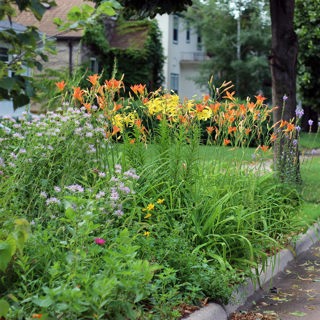
Did you know that urban ecology doesn't just apply to big cities and towns? Even if you live in a fairly rural area, if there is a lot of interaction between where you live and a nearby town or city t...

10 Aug 202355min
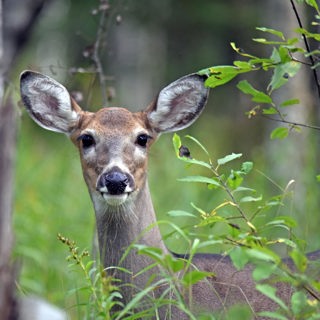
What Happens When a Tree Gets Blown Over? Discovering New Habitats Created by Fallen Trees

What Happens When a Tree Gets Blown Over? Discovering New Habitats Created by Fallen Trees

As sad as the loss of a tree can be, there's also an excitement because fallen trees provide many different types of valuable and often overlooked habitats. I talk about some of those habitats in this...

27 Juli 202312min
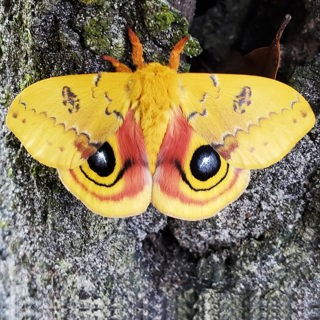
Moths: Unsung Heroes of Pollination and Beyond

Moths: Unsung Heroes of Pollination and Beyond

Did you know that there are approximately 10 times more moth species worldwide than there are butterfly species? Or that without moths we would have fewer songbirds, less genetic diversity in many of ...

13 Juli 20231h 2min
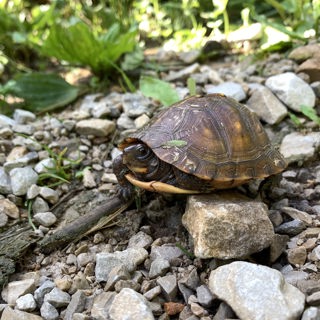
Sometimes Life Happens

Sometimes Life Happens

I share a story of how Anthony and I had a "life happens" moment on our property over the weekend. My hope is that our story of how "life happened" to us this week can give you a little bit of encoura...

29 Juni 20237min
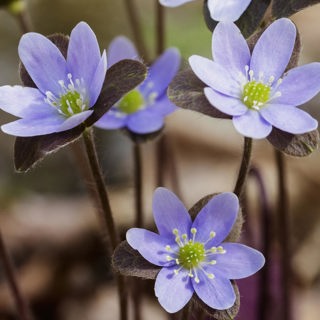
Learning to See and Identify Plants with Alan Weakley

Learning to See and Identify Plants with Alan Weakley

If you've ever found a plant that you didn't recognize and wanted to know what it was, then this episode is for you. We talk with Dr. Alan Weakley about learning to observe plants, how to identify pla...

15 Juni 202355min
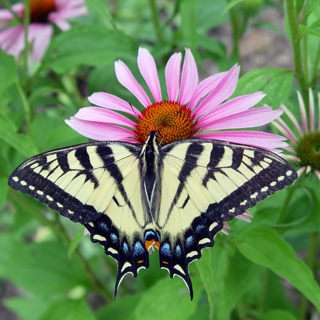
5 Tips for Attracting Butterflies to Your Yard

5 Tips for Attracting Butterflies to Your Yard

I offer five tips to help you attract butterflies to your property. Depending on your property and situation, you may not be able to do all of them. That's ok. If you have a small property, look aroun...

1 Juni 202311min
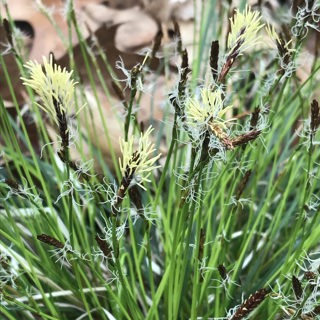
Gardening with Sedges - Mt. Cuba Center Carex Trial

Gardening with Sedges - Mt. Cuba Center Carex Trial

Did you know there is a group of native plants which can be highly adaptable, can serve multiple functions in our gardens, and perhaps even be a backbone component to our home landscapes, but which ha...

18 Maj 202359min

Populärt inom Vetenskap

p3-dystopia
dumma-manniskor
svd-nyhetsartiklar
kapitalet-en-podd-om-ekonomi
doden-hjarnan-kemisten
allt-du-velat-veta
rss-ufo-bortom-rimligt-tvivel-2
rss-vetenskapsradion
bildningspodden
det-morka-psyket
rss-vetenskapsradion-2
paranormalt-med-caroline-giertz
medicinvetarna
sexet
rss-spraket
dumforklarat
har-vi-akt-till-mars-an
rss-experimentet
barnpsykologerna
vetenskapsradion