Planting for Pollinators

Planting for Pollinators

One of the most common questions I get is, "What should I plant for pollinators?" As you'll hear in today's conversation, I'm not the only one who frequently gets that question. It's probably the most common question asked of anyone who promotes pollinator gardening.

Unfortunately, there isn't a simple answer to that question because lots of different factors go into determining the best plants for any given area or situation. However, research into this topic can give us clues as to what plants might be good ones to consider for our own gardens.

In this episode, we are joined by Dr. Laura Russo. Laura is an Assistant Professor of Ecology and Evolutionary Biology at the University of Tennessee. She and her colleagues have been studying interactions between native plants and flower visiting insects. They recently published a report evaluating pollinator preferences of 18 different native plants in garden settings.

Laura and my conversation covers, not only some of the findings of the study, but also the complexities that go into conducting scientific research like this. There's a lot more to it than simply planting a garden and seeing what visits the flowers. Recognizing those complexities can help us understand why this type of work is so important and why research related to planting for pollinators isn't done as often or cover as many species as many of us might like.

Obviously, with only 18 different species in the study, there are a lot of species that were left out of the study. So, another one of the topics we talked about was their reasons for picking the species they picked for the study. We also discussed the importance of taking into account the gardener's preferences, as well as, the pollinators' preferences when planting for pollinators around our homes.

No project can ever test every single flowering plant out there under every single condition possible, but research like what Laura and her colleagues are doing is still really important. And you don't have to live in east Tennessee for this research to be valuable, especially when you look at this research in conjunction with similar research from other areas.

By looking at projects from a variety of locations, patterns can emerge, such as a genus that is consistently popular among flower visiting insects. These patterns can give us hints as to generalizations that we can make and point us in potential directions to go in the absence of exhaustive research in our exact location.

Links:

Episode image:

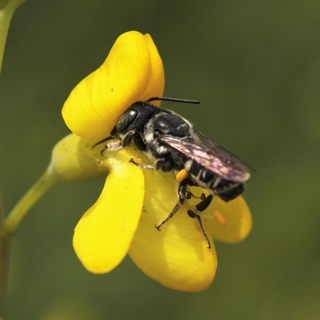
  • A leafcutter bee on a yellow wild indigo (Baptisia tinctoria) flower
  • Photo credit: Laura Russo, all rights reserved

Avsnitt(115)

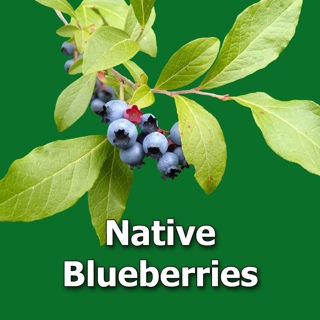
9 Native Blueberries You Can Grow in the Home Landscape

9 Native Blueberries You Can Grow in the Home Landscape

Summary Our native Vacciniums, what we commonly call the blueberries, are keystone plants which support tons of pollinators and wildlife. They also produce yummy berries which we can eat. In this epis...

10 Juli 202514min
Choose the Best Native Milkweed for Your Eastern U.S. Garden

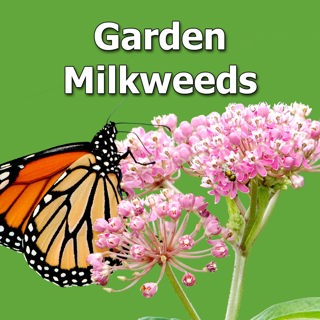
Choose the Best Native Milkweed for Your Eastern U.S. Garden

Summary Milkweeds are a common component of butterfly and pollinator gardens. Not only are they important for monarch caterpillars, but they are also used by a wide variety of pollinators. There are l...

26 Juni 202519min
Laurel Wilt: How Tiny Beetles Can Kill Huge Trees

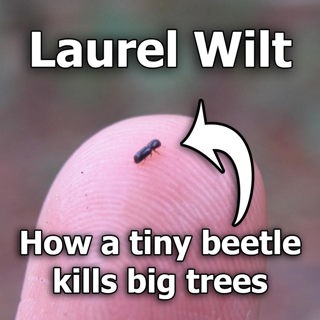
Laurel Wilt: How Tiny Beetles Can Kill Huge Trees

Summary In this episode, we dive deep into Laurel Wilt Disease which is a vascular wilt disease affecting trees in the Lauraceae family, such as sassafras, spicebush, and redbay. We discuss its histor...

12 Juni 20251h 17min
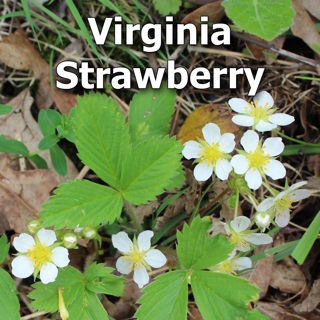
Virginia strawberry: A Beautiful, Tasty, and Underutilized Native Groundcover

Virginia strawberry: A Beautiful, Tasty, and Underutilized Native Groundcover

Summary The Virginia strawberry (Fragaria virginiana) is our most widespread native wild strawberry in the eastern U.S. It supports a wide range of pollinators and wildlife. It can also make an amazin...

29 Maj 20256min
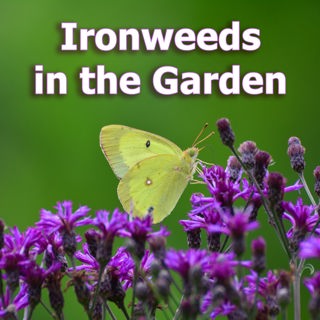
Ironweed's Beauty and Ecological Value in Your Garden: Mt. Cuba's Vernonia Trial

Ironweed's Beauty and Ecological Value in Your Garden: Mt. Cuba's Vernonia Trial

Summary Each fall, the beautiful, rich, purple blooms of ironweeds (Vernonia spp.) grace fields and open areas throughout much of the eastern U.S. They are an ecological powerhouse for pollinators and...

15 Maj 202557min
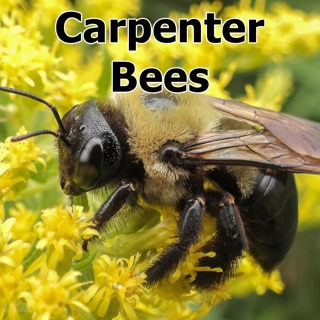
Eastern Carpenter Bees: How to Peacefully Co-exist and Why They Are Important

Eastern Carpenter Bees: How to Peacefully Co-exist and Why They Are Important

Summary While carpenter bees get a bad rap, they are also important pollinators and play a vital role in the ecosystem. Their bad reputation can also sometimes be overblown. So, let's talk a little bi...

1 Maj 202515min
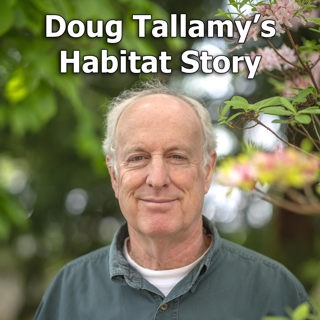
Doug Tallamy's Habitat Restoration Story and How You Can Help Save Nature

Doug Tallamy's Habitat Restoration Story and How You Can Help Save Nature

Summary Dr. Doug Tallamy shares the story of how he and his wife transformed their newly built home located on a former hayfield into a thriving forest ecosystem. We talk about how they got started, t...

17 Apr 202549min
Darkness Matters: Light Pollution's Threats and Simple Ways to Help

Darkness Matters: Light Pollution's Threats and Simple Ways to Help

Summary Darkness is a vital, and often overlooked, component of our ecosystems. Unfortunately, we're losing it to light pollution. Decreasing the light pollution around your home will not only benefit...

3 Apr 202510min

Populärt inom Vetenskap

p3-dystopia
dumma-manniskor
svd-nyhetsartiklar
kapitalet-en-podd-om-ekonomi
doden-hjarnan-kemisten
allt-du-velat-veta
rss-ufo-bortom-rimligt-tvivel-2
rss-vetenskapsradion
bildningspodden
det-morka-psyket
rss-vetenskapsradion-2
paranormalt-med-caroline-giertz
medicinvetarna
sexet
rss-spraket
dumforklarat
har-vi-akt-till-mars-an
rss-experimentet
barnpsykologerna
vetenskapsradion