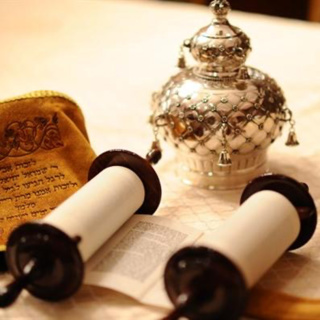
Zohar Hasulam - L08Y21R - Idra RABA - Rabbi Yehuda Ashlag - זהר הסולם - אדרא רבא - Ten Sefirot

Zohar Hasulam - L08Y21R - Idra RABA - Rabbi Yehuda Ashlag - זהר הסולם - אדרא רבא - Ten Sefirot

⁠Idra Raba⁠⁠⁠⁠⁠⁠⁠⁠⁠ - ⁠⁠⁠⁠⁠⁠⁠⁠⁠⁠⁠⁠⁠⁠⁠⁠⁠⁠ ⁠⁠⁠⁠p55⁠⁠, ⁠p56⁠ - ⁠par 30-32⁠ Class 26/05/21

Idra Raba: Verse 30

שַׂעֲרָא דְּנָפִיק מִבָּתַר אוּדְנוֹי, כּוּלֵיהּ בְּשִׁקּוּלָא. לָא נָפִיק דָּא מִן דָּא, תִּקּוּנָא שְׁלִים. תִּקּוּנָא יָאֶה. תִּקּוּנָא שַׁפִּירָא. תָּאִיב לְמֵחֱמֵי. תִּיאוּבְתָּא וְחֶדְוָותָא דְּצַדִּיקַיָּיא, דְּאִינּוּן בִּזְעֵיר אַפִּין, לְמֵחֱמֵי וּלְאִתְדַּבְּקָא בְּתִקּוּנוֹי. דְּעַתִּיקָא סְתִימָאָה דְּכֹלָּא.

The hairs showing behind the ears are equally long with none intruding on each other. That is a perfect form, a proper form, a beautiful form, lovely to behold. The yearning and joy of the righteous that are in Zeir Anpin is to observe and cling to the form of the ancient one, which is completely concealed, WHICH IS ARICH ANPIN.

Idra Raba: Verse 31

י"ג נִימִין דְּשַׂעְרִין, קַיְימֵי מֵהַאי סִטְרָא, וּמֵהַאי סִטְרָא דְּגוּלְגַּלְתָּא, לָקֳבֵיל אַנְפּוֹי. וּבְאִינּוּן שַׁרְיָין שַׂעְרֵי לְאִתְפַּלְגָא. לֵית שְׂמָאלָא בְּהַאי עַתִּיקָא סְתִימָאָה, כֹּלָּא יְמִינָא. אִתְחֲזֵי וְלָא אִתְחֲזֵי. סָתִים וְלָא סָתִים. וְהַאי בְּתִקּוּנֵיהּ, כ"ש בֵּיהּ.

There are thirteen locks, MEANING BUNDLES, of hairs on each side of the skull, WHICH IS KETER OF ARICH ANPIN, against his face. With them, the hairs begin to part. THE ASPECT OF left does not exist in this concealed Atik, ARICH ANPIN. It is totally of the right, seen yet not seen, concealed though unconcealed. All this is a reflection of its form, and more on its own self.

Idra Raba: Verse 32

וְעַל הַאי, תָּאִיבוּ בְּנֵי יִשְׂרָאֵל לְצָרְפָא בְּלִבְּהוֹן, דִּכְתִּיב הֲיֵשׁ יְיָ' בְּקִרְבֵּנוּ אִם אָיִן. בֵּין זְעֵיר אַנְפִּין דְּאִקְרֵי יְיָ,' וּבֵין אָרִיךְ אַנְפִּין דְּאִקְרֵי אַיִ"ן. אֲמַאי אִתְעֲנָשׁוּ. מִשּׁוּם דְּלָא עַבִדוּ בַּחֲבִיבוּתָא, אֶלָּא בְּנִסְיוֹנָא. דִּכְתִּיב וְעַל נַסּוֹתָם אֶת יְיָ' לֵאמֹר הֲיֵשׁ יְיָ' בְּקִרְבֵּנוּ אִם אָיִן.

The children of Yisrael were longing to test this AND TO EXAMINE in their hearts, as it is written: "Is Hashem among us, or not?" (Shemot 17:7), MEANING between Zeir Anpin called Hashem and Arich Anpin called naught. HE THEN ASKS: IF SO, why were they punished? HE RESPONDS: Because they did not do so out of love, but simply testing, as it is written: "And because they tempted Hashem, saying, 'Is Hashem among us, or not?'"

Det här avsnittet är hämtat från ett öppet RSS-flöde och publiceras inte av Podme. Det kan innehålla reklam.

Avsnitt(485)

Populärt inom Religion & Spiritualitet

spokjakt-pa-riktigt-laxton-podden
rss-borgvattnets-hemligheter
rss-historiens-mysterier
rss-bajen-idag
rss-alternativ-historia
bathina-en-podcast
rss-basta-livet
sa-in-i-sjalen
rss-sjalsligt-avkladd
rss-activation-podcast
sektledare
spokhistorier
rss-manniskan
rss-fraga-stjarnorna
mediumpodden-vivi-camilla
rss-universums-hemligheter
rss-markliga-handelser-i-sverige
det-sista-mysteriet
andliga-klubben-2
skillnadens-av-sara-backmo