913-Moon Impact
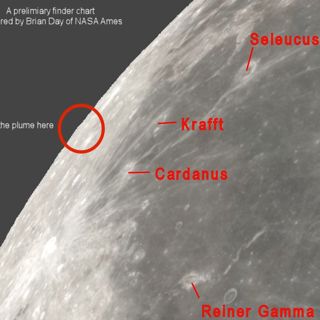
Bill Gray is an astronomer who specializes in tracking objects in space which come near the Earth. In addition to natural objects like asteroids and comets Bill also tracks rocket boosters and space j...
21 Aug 2min
402E-443-Unsung Heroes
In 2017 observers in 50 countries at 440 different observatories made nearly 19 million observations of asteroids and comets which enable scientists to calculate where about 800,000 objects will be in...
18 Aug 2min
912-Boston Bolide
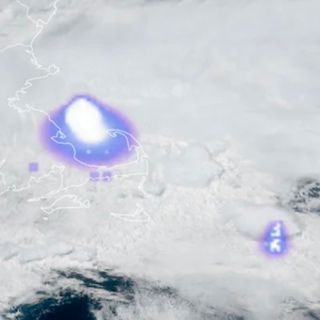
Recently on a Saturday afternoon a loud double booming sound startled residents of Massachusetts and Rhode Island as a large bolide meteor exploded high above. This type of space rock is a message fr...
14 Aug 2min
401E-442-Brian's Debut
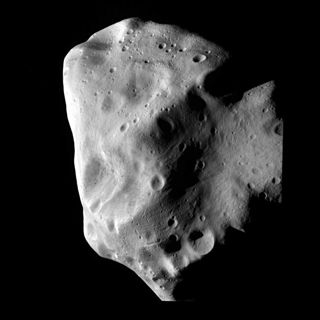
During the only 3 clears hours of his first night solo as an asteroid hunter, my new Catalina Sky Survey teammate Brian Africano discovered two new Earth approaching asteroids with our Schmidt Telesco...
11 Aug 2min
911-Comet Brightness Explosion
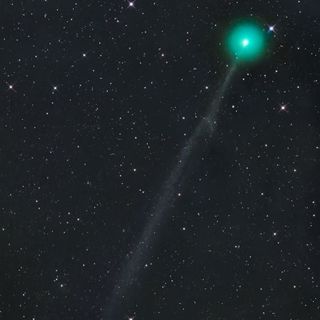
Comet 220P/McNaught orbits the Sun once every 5.5 years on a path which is between Mars and Jupiter. At that extreme distance, more than 1.5 times the Earth’s distance from the Sun, it still receives ...
7 Aug 2min
400E-441-Carson's Pair
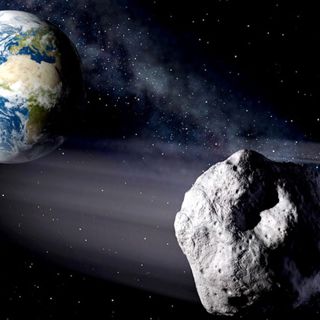
My Catalina Sky Survey teammate Carson Fuls was observing, in the constellation Lynx, with our Schmidt telescope on Mt. Bigelow, Arizona , when within the space of only 35 minutes, he discovered two s...
4 Aug 2min
910-Mega Constellations
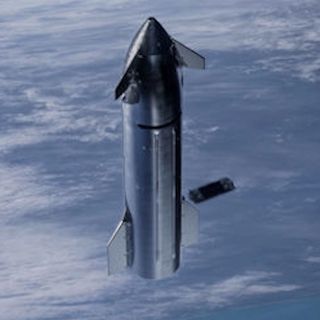
In an experiment that will involve all of the residents of planet Earth SpaceX has asked the FCC for permission to launch 1 million satellites into low Earth orbit to create a solar powered data cente...
31 Juli 2min
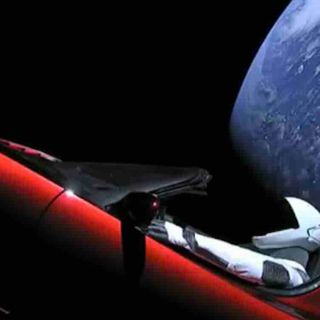
399E-440-Tracking Elon's Car
Elon Musk decided not to use a traditional mundane concrete block dummy payload for the first launch of the SpaceX Falcon Heavy launch vehicle to test his rockets lifting capabilities. After orbiting ...
28 Juli 2min