Huberman Loves Routine
The Five Pillars of Health: How Prioritizing Sleep, Sunlight, Activity, Nutrition and Social Ties Unlocks Vitality As an eternal quest central to the human experience, our collective fixation on seeking ever-elusive youth, vitality and longevity often provokes frenzied responses, especially in modern eras offering endless wellness products, protocols and authority figures vying for advisory attention. Yet amidst this dizzying health media landscape promising the next miracle elixir, fertility fountain, or genetic tweak prolonging our earthly stay, Stanford neurobiology professor Dr. Andrew Huberman suggests returning focus toward life’s simplest repeatable daily actions scientifically proven bolstering mental and physical fortitude can grant more reliable vitality than reactive restrictive biohacking gimmicks. Rather than fixating on flawed thinking assuming some single supplement, diet overhaul or training regimen alone can solve for holistic well-being once-and-for-all all as new seasons arrive, Huberman proposes committing long term to integrating five essential pillars delivering compound vitality, contentment and resilience advantages daily through persistent tiny habits. Beyond buzzy wellness fads, he spotlights how intentionally scheduling proper sleep, sunlight, physical activity, thoughtful nutrition and social connection every 24 hours manifests compound health. While no spheres function perfectly, collectively they unlock dividends. Huberman, the host of the popular neuroscience podcast The Huberman Lab, recently shared this folk wisdom grounded framework on Twitter, suggesting everyday wellness boils down to prioritizing simple repeatable practices known for strengthening mental and physical functioning for centuries despite flashy quick-fixes monopolizing New Year’s resolutions. “The most important step toward robust mental & physical health is when we realize that no single protocol, program supplement or Rx is alone going to solve it & we instead initiate a series of daily actions toward persistent wellbeing,” he wrote, affirming lifestyle alchemy. By briefly highlighting modern medical understanding around each of Huberman’s outlined pillars essential toward maintaining lifelong holistic health and why scheduling them daily unlocks amplified vitality, Modern Health can clearly showcase the compound wisdom centering lifestyle factors directly within our control. While some spheres like nutrition offer infinite intricacies to explore separately, distilling essential wellness down to reliable building blocks helps cut confusion. If health journeys ever seem overwhelming, remember progress compounds sticking with simple repeatable fundamentals ahead of specialized biohacks. The Power of Plentiful Sleep The first key Huberman spotlights seem almost mockingly obvious advice with sleep's mystical restorative qualities observed dating to antiquity yet still escaping too many chronically exhausted or stressed adults today - get ample regular nightly rest! Though no universal perfect duration exists meeting every unique body’s needs across life stages, most adults thrive targeting seven to nine nightly hours consistently. Yet between permeating blue light from devices, irregular shiftwork, parenting infants, or anxiety disorders disrupting natural circadian cycles, roughly 70 million Americans suffer chronic sleep deficiencies creating massive risks for nearly every facet of health. Even mild recurrent deprivation accumulating into regular sleep debt over years impairs cognition, worsens mental health, slows metabolism, strains cardiovascular systems, suppresses immune function and accelerates cellular aging. But fortunate news surfaces too - simply righting the resting ship through sleep hygiene habits allowing our body’s intricate biological repair choreography sufficient space nightly can work wonders in reversing damage while maximizing next-day function. As Huberman frequently highlights on his neuroscience podcast which examines sleep mechanics closely, ample nightly rest profoundly supports learning, memory formation, mood stability, neuroplasticity, hormonal regulation from fertility to appetite, immune defense and so much more by orchestrating intricate cellular cleanup roles, toxic flushing and muscle restoration impossible waking. Getting sufficient sleep constitutes our most powerful habit of managing stress while bolstering resilience to life's inevitable obstacles. So while no magic number defines universal needs - with quality and cycles mattering as much as quantity - sticking within general adult guidance targeting seven hours nightly but allowing for flexibility anywhere between six to nine hours helps ensure recharging sleep adequately supports next-day vitality barring any diagnosable conditions. Consistency equally matters following natural bio rhythms so aim for similar bedtimes without wild weekend deviations. The key remains vigilantly minimizing unnecessary sleep theft from the 60 crucial percent most adults require nightly avoiding cumulative debt sending health, productivity and satisfaction sinking. The Sunshine Cure - Scheduling Daily Light as Powerful Medicine Another repeatable restorative habit easily taken for granted despite outsized whole body benefits comes through sufficient daily light exposure generated overwhelmingly from natural sunlight in non-industrial eras. But modern trends toward increased indoor living combined with shifting sleep patterns away from alignment with our evolutionarily ingrained circadian cycles together risk vastly more deficiency for this critical nutrient than any past period. While oral vitamin D supplements help offset seasonal light gaps at higher latitudes, truly no capsule matches sunshine's profound physiological gifts engaging photoreceptors with broad spectrum rays. As crucial as plants synthesize growth hormones from light, humans rely on optical light cues regulating critical bio-rhythms and neurochemistry dictating whole body functioning. When sunlight signals our optic nerve at dawn, cascading reactions commence switching on daytime physiology from alertness to immunity. Yet losing light cues after sunset also proves vital trigger sleep preparatory melatonin production and more. With indoor living and inconsistent sleep disrupting natural light famine and feast cycles humans evolved under for millennia, no wellness pillar corrects quicker than proper daily solar nourishment. Beyond the basic role of standard strength sunshine serves bolstering vitamin D improving skeletal and immune health, eye to light exposure strongly influences regulation around mood, appetite, fertility, sexual performance, learning plus much more by directly stimulating key sites within the hypothalamus governing homeostasis. Even mental health and cognitive conditions ranging from depression and anxiety to Alzheimer’s and Parkinson’s disease demonstrate sensitivity reducing incidence and symptom severity with adequate circadian light nourishment. While apps now enable tracking local daylight patterns aligned with chronobiology models confirming ideal timings, generally step one involves sufficient outdoor light exposure first thing upon waking - whether 5 minutes glancing outside over coffee, 20-minute sunrise nature walks, or leveraging light therapy devices in darker months. Consistently receiving this first light infusion signals the suprachiasmatic nucleus brain region regulating our master bio clock that day commenced triggering cortisol rhythms preparing metabolism and focus for peak performance until sunset. As possible also benefits cardiovascular health through further daylight movement. When gloriously sunny environments allow, even 20-30 minutes daily direct sunlight sans sunglasses beneficially calibrates natural processes - though most need to carefully balance exposure avoiding overdoing UV risks. The bottom line stick with common sense while making a conscious effort to nourish eyes and internal clocks through safe solar rituals fortifying 24-hour wellness. Beyond biology, creative individuals subjectively report sunshine and blue skies profoundly uplift mood and inspiration even adjusting for vitamin chemical impacts. If vitality tops priorities, proudly commit to embracing sunlight’s profound gifts within busy routines through strategic scheduling. For night and day, our intricate physiological equilibrium depends on it. Move to Thrive: Make Activity Non-Negotiable The next pillar Huberman spotlights unequivocally essential toward sustaining whole health involves consistent movement and regular physical activity keeping our miraculous anatomical machinery well-oiled and nourished. Though no single ideal routine unanimously applies to meeting every unique body’s needs and limitations, the latest medical consensus affirms adults never outgrow requiring adequate regular functional movement input to maintain mobility, strength, cardiovascular capacity, neurological communication, metabolic flexibility, and more declining without proper usage. While elite athletic training dwells on extremes tailoring sports specificity, longevity research confirms staying faithfully active through moderate physical activity beyond baseline functioning delivers outsized quality and quantity of life advantages. Rule of thumb guidance for health gains suggests most adults strive for at least 30-60 daily minutes of cumulative moderate output like walking, swimming, or gentle cycling. Further, fold in targeted strength training at least twice weekly sculpting lean muscle fortifying capacity for daily demands. Always first consult physicians catering personalized programs aligning fitness to any underlying conditions. The overwhelming data shows sedentary lifestyles quietly crush health by accelerating muscular and cardiovascular atrophy, gut inflammation, inThis content was created in partnership and with the help of Artificial Intelligence AI
6 Feb 202421min
Huberman gets into Yerba
In 2016, Nicolas Beaupré embarked on a transformative journey to Chile with the initial goal of honing his Spanish skills and working as a ski instructor. However, this trip took an unexpected turn when he discovered his love for yerba mate, an experience that profoundly altered the trajectory of his life. Yerba mate, a traditional herbal tea made from the Ilex paraguariensis plant, enjoys immense popularity in various South American countries, including Argentina, Chile, Brazil, Paraguay, and Uruguay. Typically consumed from a gourd using a bombilla, a metal straw, yerba mate is more than just a beverage—it's a cultural ritual fostering commensality.“Mate made me speak Spanish better,” Beaupré humorously remarked, reflecting on the impact of this cultural immersion.When Beaupré’s partner, Elodie Simard, tried mate, she too found an affinity for the drink, noting its positive effects on her ADHD. After returning to Canada, the couple shared their newfound passion for mate with friends, who quickly developed a taste for it. Soon, Beaupré and Simard found themselves frequently ordering yerba mate for friends and family, playfully becoming their "unofficial mate dealers."Motivated by their growing passion, a year later, Beaupré and Simard decided to expand their informal distribution into a business venture. They noticed that the branding of existing mate products, predominantly in Spanish, might not resonate with the Canadian market. Beaupré observed that in South America, mate is often sold as a basic commodity. Moreover, they found that most available mate was smoked, a process linked to carcinogenic risks.Seeking a healthier and more authentic alternative, they traveled to Argentina, where they met several farmers. Eventually, they partnered with a grower who used air-drying techniques for mate, avoiding the smoking process. To preserve the traditional essence of mate, they decided against creating carbonated versions. Instead, they formulated their product based on tereré, a traditional iced mate infused with herbs or juice.This led to the founding of Mateína in 2017. The company offers loose-leaf yerba mate, rich and earthy in flavor, akin to pu’er tea, and canned versions infused with flavored juices, maintaining the distinct taste of yerba mate.Nicolas Beaupré and business partner Andrew Huberman, a Stanford neurobiology professor and host of the Huberman Lab podcast, recently introduced Mateína to the U.S. market. This expansion was in collaboration with Tiny, a Canadian venture capital firm. “We envision yerba mate becoming a highly accessible, health-forward beverage, consumed by millions in the U.S. and globally, akin to coffee and tea,” stated Simard.The launch of Mateína in the international market raises questions about cultural appreciation versus appropriation. In recent times, consumers have demanded sensitivity from brands in representing cultures. Incidents like Ralph Lauren’s use of indigenous designs or Trader Joe’s ethnic labeling of products have sparked controversy. British chef Jamie Oliver has even hired specialists to vet his menus for cultural sensitivity.Beaupré and Simard, however, do not view their venture as cultural appropriation. They emphasize their commitment to respecting mate’s origins and ensuring fair partnerships with local communities. Their major investor, Huberman, who is half Argentine and holds a majority stake in the business, underscores this commitment.Consumer attitudes towards cultural appreciation vs. appropriation vary, as Dr. Angela Cruz from Monash University notes. The acceptability often depends on the brand's respect and acknowledgment of the cultural heritage, avoiding stereotypes and engaging genuinely with the culture.Sabrina Sands, an Argentinian translator living in Florida, sees Mateína as a potential positive force for mate growers in Argentina, providing fair pay and competitive markets. Cami Poggi, an Argentine MBA graduate, expresses excitement over the internationalization of mate, seeing it as a cultural sharing experience.The story of Mateína is a blend of entrepreneurial spirit, cultural exploration, and the delicate balance of respecting and sharing global cultural traditions. As this traditional South American drink finds its place in new markets, it brings with it questions of cultural exchange, appreciation, and the ever-evolving dialogue around the globalization of local customs and products.Thanks for listening to Quiet Please. Remember to like and share wherever you get your podcastsThis content was created in partnership and with the help of Artificial Intelligence AI
1 Feb 20244min
Andrew Huberman Gets Ready for Bed
Unveiling the Secrets of Sleep: A Peek into Andrew Huberman's Evening Ritual Forget late-night Netflix binges and frantic email checks! For neuroscientist extraordinaire Andrew Huberman, the path to optimal sleep lies in a meticulously crafted evening routine. Forget crash diets and trendy gimmicks; Huberman's approach hinges on understanding the science of sleep and tailoring his night to its rhythm. Fueling for Rest: Huberman's journey begins at dinner, around 6:30 PM. Unlike his daytime meals, designed for alertness, the evening feast becomes a carbohydrate celebration. Why? The science is clear - carbs trigger a tryptophan-serotonin pathway, effectively dimming the cortisol spotlight and paving the way for relaxation. So, picture cozy pasta bowls and steaming soups, partnered with clean protein, not burgers and fries. Lights Out, Screens Down: After dinner, the glow of phone screens fades. Instead, gentle music, absorbing books, and maybe some lighthearted conversation fill the air. This switch isn't just about winding down; it's about mimicking nature's sleep cues. As dusk approaches, Huberman starts dimming the lights, mimicking the sunset and priming his body for melatonin production. Nature's nightlight is ready to kick in! Supplements: A Helping Hand, Not a Magic Bullet: Huberman believes in the power of sleep hygiene, but he also embraces the support of well-chosen supplements. Magnesium threonate or bis-glycinate grace his nighttime routine, deepening sleep quality. Apigenin, a chamomile cousin, and theanine, a GABA booster (avoid it if prone to sleepwalking!), round out his evening cocktail. Beyond Sleep: Non-Sleep Deep Rest: Even Huberman, with his sleep-savvy routine, might occasionally face that unwelcome midnight wake-up. That's when his non-sleep deep rest (NSDR) techniques come in. These mindfulness practices, like slow breathing and visualization, soothe the mind and body, easing him back into slumber's embrace. Huberman's Blueprint: A Guide, Not a Rulebook: Huberman's evening symphony is a testament to his deep understanding of the science of sleep. But it's also a personalized melody, tuned to his specific needs and preferences. The takeaway? There's no one-size-fits-all sleep solution, but Huberman's approach offers valuable insights:Respect the rhythm: Align your evening with your body's natural sleep-wake cycle.Mind the fuel: Carbohydrates at night can be your allies, promoting relaxation and sleep.Dim the lights: Mimic the darkness of night to trigger melatonin production.Embrace supplements: Carefully chosen supplements can add an extra layer of sleep support.Practice NSDR: Train your mind and body to find deep rest, even when sleep is elusive.Huberman's routine is a window into the fascinating world of sleep science. It's a reminder that simple, purposeful tweaks in our evening habits can have a profound impact on our sleep quality and overall well-being. So, why not dim the lights, put down your phone, and embark on your own sleep-enhancing journey? Sweet dreams await! Thanks for listening to Quiet Please. Remember to like and share wherever you get your podcasts.This content was created in partnership and with the help of Artificial Intelligence AI
25 Jan 20243min
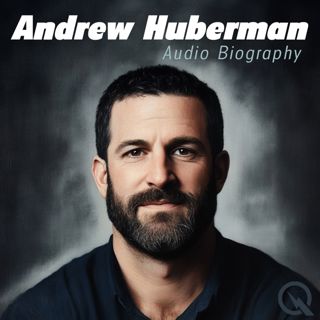
Andrew Huberman - Audio Biography
Andrew Huberman: Decoding the Brain, One Podcast Episode at a Time Andrew Huberman isn't your average neuroscientist. He's not confined to dusty labs or cryptic scientific papers. Instead, he's become a digital guru, using the power of podcasts and social media to unlock the secrets of the brain for the masses. With his infectious enthusiasm and knack for translating complex science into bite-sized takeaways, Huberman has garnered a loyal following on the "Huberman Lab" podcast, reaching millions worldwide. But who is the man behind the microphone, and what journey led him to become the scientific rockstar he is today? From Skateboarding to Stanford: Born in Palo Alto, California, in 1975, Huberman's path might seem unconventional. His early years were fueled by a love for skateboarding and a fascination with human behavior. Yet, a pivotal encounter with Ben Barres, a renowned neuroscientist at Stanford, ignited a passion for exploring the inner workings of the mind. Huberman pursued this passion with dedication, earning degrees in psychology, neuroscience, and ophthalmology. He then delved into the world of research, making significant contributions to our understanding of vision, brain development, and the neural basis of learning and memory. A Scientific Detective Story: Huberman's research career was driven by a deep curiosity about the brain's potential. He wasn't content with simply identifying brain structures or circuits; he wanted to understand how they influence our thoughts, emotions, and behaviors. His work focused on uncovering the intricate connections between brain activity, sensory input, and our internal systems, shedding light on how we perceive the world and regulate our emotional states. From Lab Bench to Podcast Booth: The turning point in Huberman's life came in 2020. Facing burnout and frustrated by the esoteric nature of scientific communication, he decided to bridge the gap between academia and the public. He launched the "Huberman Lab" podcast, using his gift for storytelling and his relatable personality to translate complex scientific concepts into actionable tools for everyday life. His episodes delve into fascinating topics like stress management, sleep optimization, focus enhancement, and overcoming addiction, offering practical strategies based on the latest research. The Science of Being Human: The success of the "Huberman Lab" podcast stems from Huberman's unique approach. He doesn't simply lecture; he engages, questions, and shares his own experiences. He invites listeners into his scientific detective story, showcasing the beauty and complexity of the brain while offering practical tools for hacking their own biology. Whether it's explaining the neurochemical basis of happiness or providing tips for optimizing sleep cycles, Huberman empowers listeners to take control of their mental and emotional well-being. Beyond the Podcast: Huberman's influence extends beyond the digital realm. He regularly gives talks and workshops, bringing his science-backed insights to live audiences. He also uses his platform to advocate for mental health awareness and research funding. A Legacy in the Making: Andrew Huberman's story is far from over. With his insatiable curiosity, engaging personality, and commitment to scientific translation, he's poised to continue shaping our understanding of the brain and empowering individuals to unlock their full potential. He's a reminder that the secrets of the mind are not just for scientists in ivory towers; they are within reach, waiting to be discovered and utilized for a happier, healthier life. Thanks for listening to Quiet Please. Remember to like and share wherever you get your podcasts.This content was created in partnership and with the help of Artificial Intelligence AI
27 Dec 20233min