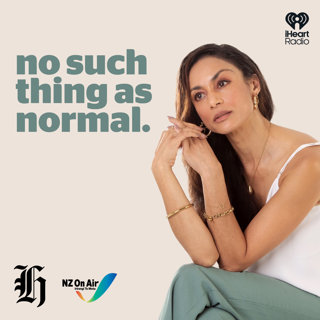
35. Neurodiversity in Aotearoa: How are we doing?
In the past decade, neurodivergence has become far more visible in Aotearoa. But awareness is not the whole story - the real question is whether neurodivergent people and their whānau feel truly seen ...
15 Maj 44min
34. Mental health, medication and neurodivergent burnout
Anxiety, depression, chronic stress and low self-esteem are common co-occurring conditions for many neurodivergent young people. But are these struggles caused by neurodivergence itself, or by trying ...
8 Maj 36min
33. What can science tell us about neurodivergent brains?
If you - or your child - is neurodivergent, it can often feel like the world doesn’t always take you seriously. The challenges might be huge, but they’re largely invisible, and often unpredictable. S...
1 Maj 40min
32. ADHD and Perimenopause: The Perfect Storm
For many women, perimenopause brings more than just hot flushes. The impact on their cognition and mood is so extreme it feels like the chair has been pulled out from under them. Strategies that once...
24 Apr 43min
31. Gender diversity & neurodiversity: Understanding the intersection
Neurodivergent young people are more likely to question their gender identity, and it can be a confusing and confronting time. Not just for the individual, but also for their loved ones. The support a...
17 Apr 43min
30. Neurodiversity at work: why traditional workplaces fail ‘different thinkers’
Why do so many neurodivergent people struggle in the workplace; even when they are highly capable? In this episode, Sonia speaks to workplace strategist Rich Rowley about why modern workplaces value o...
10 Apr 35min
29. Is there real hope for Obsessive Compulsive Disorder?
Isabella* is just 22, but she’d been living with severe contamination OCD for eight years. It had taken over her life - touching people, objects, even parts of her own home, felt dangerous. Every inte...
3 Apr 48min
28. Why ADHD still feels so hard - even when you understand it
ADHD is being talked about more than ever. But for many, life still feels harder than it should. Even with a diagnosis there can be a lingering sense of “Why is life still so difficult?” In this epis...
27 Mars 31min