476: Be Medieval, Rack that Cider| Secondary Fermentation
Cider Chat5 Nov 2025

476: Be Medieval, Rack that Cider| Secondary Fermentation

How to clarify, stabilize, and finish cider the right way

The Purpose of Secondary Fermentation when Making Cider

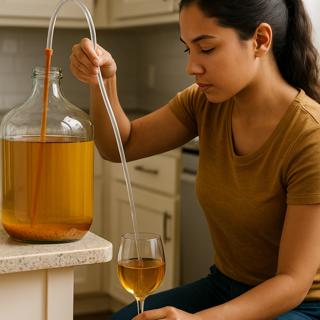
Once the apple juice has started fermented and it is now slowing down, it is time to rack over your cider for secondary fermentation.

Secondary fermentation is where your cider moves from "young" to "refined." This stage improves clarity, stability, and overall quality before bottling or serving.

00:00 – Introduction and Welcome
00:27 – Meet the Host: Ria Windcaller
00:45 – The Magic of Clothes Pins
01:14 – Episode Overview: Secondary Fermentation
01:55 – Replay Announcement: Season 8, Episode 386
02:14 – Cider Making in the Northern Hemisphere
02:34 – Cider Making Resources and Equipment
06:09 – Totally Cider Tours
13:29 – Upcoming New York Cider Festival
15:31 – Featured Presentation: Clearing Cloudy Cider
24:01 – Observing Fermentation Activity
24:21 – Timing and Patience in Cider Making
24:54 – Understanding Racking Over
25:32 – Dealing with Stuck Fermentation
26:59 – Secondary Fermentation Indicators
27:47 – Preparing for Racking Over
29:13 – Racking Over Process
30:49 – Using Sulfites and Equipment
35:32 – Handling Head Space and Lees
38:38 – Final Tips and Bottling
42:43 – Supporters and Closing Remarks

Why Secondary Fermentation Matters

Secondary fermentation helps your cider:

Improve the overall quality and characteristics of the final product during secondary fermentation by;

Clarify: After the vigorous primary fermentation phase, yeast, pulp, and particulate matter settle out. Giving the cider time in secondary creates that clean, bright look in the glass.

Stabilize: Letting the cider relax in a less active fermentation state helps smooth out rough edges and reduces the risk of funky off-character flavors.

Reduce Bottle Sediment: Most of the lees settle in the secondary fermenter — not in your final bottles — giving you a cleaner, professional-looking cider.

Avoid Off-Flavors: Yeast that sits too long on the lees can break down (autolyze) and create harsh, unpleasant aromas. Racking to secondary moves the cider off that yeast layer and protects the finished profile..

Secondary fermentation is a crucial step for refining cider, enhancing its clarity, taste, and stability before it is consumed or sold.

Past Cider Making Episodes When to Transfer to Secondary

Primary fermentation must be substantially complete. Signs include:

– Airlock activity slows way down
– Gravity readings stabilize over several days
– Visible bubbling is minimal
– A firm lees bed is forming at the bottom
– Taste test confirms sugar is mostly gone (unless aiming for sweet

Equipment needed for Cider's Secondary Ferment

Find a complete list with links to purchase at the Cider Making Equipment page at ciderchat.com

  • Extra Apple Juice to for topping off
  • Secondary Fermenter – glass carboy of equal size
  • Airlock and Bung
  • Racking Cane or Auto-Siphon
  • Sanitizer
  • Hydrometer or Refractometer
  • Tubing & a clothes pin ( a Ria tip to have on hand for clamping tubing as you go so it can be managed to insure that the tube doesn't slip down into the lees and stir them up)
  • Bottle Brush and Cleaning Equipment
Determining when Secondary Fermentation Begins
  • Completion of Active Primary Fermentation: Watch and notice when the vigorous phase of primary fermentation is complete, which is typically indicated by a significant decrease in airlock activity or specific gravity readings that are close to the target final gravity.
  • Gravity Readings: Use a hydrometer or refractometer to take consecutive gravity readings over a few days. When readings are consistent, it suggests that fermentation has slowed down enough for secondary transfer.
  • Visual Clues: Look for a drop in the level of visible activity, such as the reduction of bubbles and the beginning of sediment formation at the bottom of the primary fermenter.
  • Taste Test: Conduct a taste test for residual sweetness. If the cider is too sweet, it may need more time in primary fermentation unless the desired style of cider is sweet rather than dry.
  • Timeframe Guidance: Generally, primary fermentation can take anywhere from a few days to two weeks, depending on factors like temperature, yeast strain, and original sugar content.
  • Avoiding Off-Flavors: Transfer before the cider has sat too long on the lees at the bottom of the carboy to prevent off-flavors that can result from yeast autolysis.
  • Specific Style Goals: Factor in the specific goals for the cider's style, as some styles may benefit from a longer or shorter primary fermentation before secondary.
  • Equipment Availability: Ensure that the secondary fermentation vessel is prepared and sanitized before deciding on the transfer to avoid any delays once the cider is ready.
Common Problems during Secondary Ferment
  • Stalled Fermentation – Adjust fermentation temperature to optimal range.
  • Excessive Oxidation – Minimize headspace and avoid splashing when transferring.
  • Contamination – Practice stringent sanitation and possibly discard contaminated batch.
  • Sulfite Burn – Allow time for dissipation or use activated carbon treatment.
  • Insufficient Carbonation – Verify yeast viability and sugar availability; maintain proper bottle conditioning temperature.
  • Sediment in Bottles – Allow full clearing in secondary, use fining agents, and bottle carefully.
  • Unexpected Flavor Changes – Allow time for maturation or blend with another batch.
  • Pressure Build-up in Containers – Use an airlock or periodically vent the container.
  • Cider Becomes Too Dry – Monitor gravity to stop fermentation at desired sweetness or back-sweeten with non-fermentable sweeteners.
Mentions in this Cider Chat

Avsnitt(499)

496: Liberty Ciderworks | Spokane, WA

496: Liberty Ciderworks | Spokane, WA

Liberty Ciderworks in Spokane, Washington is an urban cidery focused on traditional methods. While located in the city, their cider reflects deep agricultural roots. Cider maker and founder Rick Hast...

25 Mars 56min
495: Cider Barrels Speak | Bâtonnage & Barrel Aging

495: Cider Barrels Speak | Bâtonnage & Barrel Aging

In this archive episode of Cider Chat, we go in a barrel cellar in Prince Edward County, Ontario, with Ryan Monkman of FieldBird Cider and Lee Baker of Keint-He Winery. Listening to Fermentation What ...

18 Mars 58min
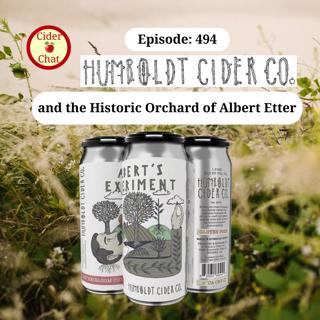
494: Humboldt Cider and the Historic Orchard of Albert Etter

494: Humboldt Cider and the Historic Orchard of Albert Etter

In this episode of Cider Chat, we hear from Tom Hart of Humboldt Cider Company, located in Eureka, California along the rugged Pacific coastline behind what locals call the Redwood Curtain. We also di...

11 Mars 1h

493: Cider as a Sport | Sidra in Asturias (Archive Edition)

493: Cider as a Sport | Sidra in Asturias (Archive Edition)

What is Asturian cider? Asturian cider (sidra natural) is a traditionally fermented apple cider from Asturias, Spain, served through a high pour (escanciado) and shared socially in small servings c...

4 Mars 55min
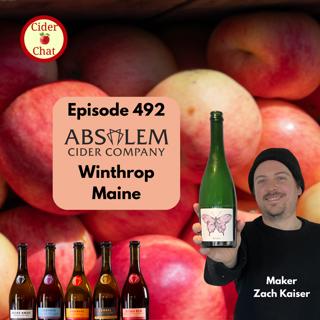
492: Absolem Cider Company | Maine Cider Energy

492: Absolem Cider Company | Maine Cider Energy

This episode of Cider Chat explores the growing Maine cider scene through Absolem Cider Company in Winthrop, a farm-based cidery helping shape New England's evolving cider identity. Located on a 60-a...

25 Feb 52min

491: Revisiting Randall Grahm | Cider Exploration Without Hesitation

491: Revisiting Randall Grahm | Cider Exploration Without Hesitation

An early conversation that explored possibilities cider was only beginning to consider. As Cider Chat moves toward its 500th episode, we revisit conversations from the earliest seasons, taking a long ...

18 Feb 53min
490: Let Cider Lead

490: Let Cider Lead

An editorial on leadership, scarcity, and why cider no longer needs to borrow authority from beer or wine. In Let Cider Lead, host Ria Windcaller steps back from interviews to offer a clear-eyed refl...

11 Feb 22min
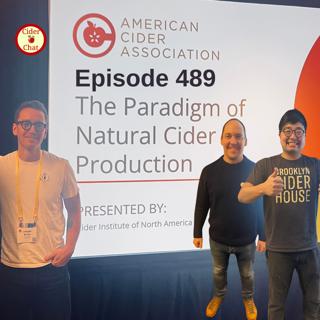
489: Natural Cider Production Seminar | CiderCon 2025

489: Natural Cider Production Seminar | CiderCon 2025

Natural cider is often misunderstood as funky, volatile, or flawed. Recorded live at CiderCon 2025, this seminar reframes natural cider as a philosophy of low intervention, balance, and intentional ca...

4 Feb 1h 10min

Populärt inom Samhälle & Kultur

podme-dokumentar
en-mork-historia
svenska-fall
p3-dokumentar
gynning-berg
mardromsgasten
aftonbladet-krim
spar
skaringer-nessvold
creepypodden-med-jack-werner
rattsfallen
hor-har
killradet
flashback-forever
p3-historia
historiska-brott
vad-blir-det-for-mord
rss-mer-an-bara-morsa
sanna-berattelser
aterforeningen-en-podcast-med-thorsten-och-richard-flinck-av-sigge-eklund