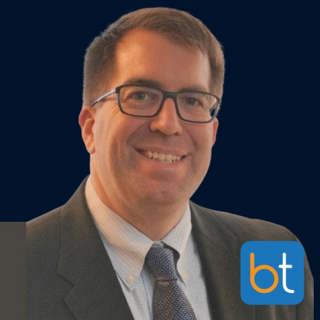

Ep. 301 New Technologies for Treatment of Cerebral Aneurysms with Dr. David Altschul and Dr. Omar Tanweer
In this episode, host Dr. Sabeen Dhand speaks with neurosurgeons Drs. David Altschul and Omar Tanweer about updates on cerebral aneurysms, including device innovation, risk stratification, and the importance of the doctor-patient relationship in decision-making. --- CHECK OUT OUR SPONSOR MicroVention FRED X https://www.microvention.com/emea/product/fred-x --- SHOW NOTES Dr. Omar Tanweer is the director of cerebrovascular and endovascular neurosurgery at Baylor College of Medicine. He works in a multidisciplinary group of neurologists, radiologists, and neurosurgeons. He trained at NYU and has been at Baylor for 2 years, where he does 100% neurovascular work. Dr. David Altschul is also from New York and is the division chief of neurovascular surgery at Montefiore. He completed an endovascular fellowship in Manhattan and has now been back at Monteriore since 2014. Both physicians have an 80 to 20 endovascular to open case ratio. In the case of ruptured cerebral aneurysms, Dr. Altschul describes a rule of threes. Around one third of patients pass away before reaching a hospital, another third arrive with significant neurologic deficits, the final third simply endure a headache. The severity of symptoms on presentation is generally predictive of outcome. They use the Hunt and Hess score, as well as the Modified Fisher Scale in their workup. They will generally only put in a ventriculostomy if a patient is lethargic and has a Hunt and Hess grade of at least 3. Both physicians use viz.ai to review their aneurysm cases at their home institutions, as well as at all local referring hospitals, as they are all connected via the viz platform. For unruptured aneurysms, they implement the PHASES score and rely on patient preference. Some patients are comfortable monitoring the growth of very small aneurysms, while others prefer the risk of treating it over the risk of monitoring due to the fear of having a known aneurysm. The two agree that developing a good doctor-patient relationship is important in these cases, because getting to know your patient can help you decide which of these small aneurysms to treat. Finally, we discuss new technology in the treatment of cerebral aneurysms. Coils have improved by becoming smaller, containing biologic agents, and coming in different shapes. Dr. Tanweer discusses the difference between balloon and stent assisted techniques. Balloon assisted is great for wide neck aneurysms or patients who can’t be on dual anti-platelet therapy (DAPT) and are better in the case of re-rupture. Stent assisted, when tolerated, increases efficacy and reduces recurrence by keeping coils in place, as well as providing a scaffold for endothelial cells to heal across. The Flow Diverter, a vessel preservation device, is less porous and good for internal carotid and anterior circulation aneurysms. The downside is that it requires DAPT. There is also the Web device, an intrasaccular device that diverts flow across the metal in the aneurysm and at the base of the neck, but does not leave any metal in the normal part of the artery. These are mainly used for wide neck bifurcation aneurysms at the internal carotid, basilar, anterior communicating, and middle cerebral artery bifurcations. --- RESOURCES Twitter: @DavidAltschulMD @omar_tanweer Viz.aneurysm: https://www.viz.ai/aneurysm
13 Maalis 202339min
Ep. 300 Which Medical Device, a Tool to Help you Choose with Dr. Philip Haslam
In this episode, co-hosts Dr. Aaron Fritts and Dr. Diana Velazquez-Pimentel interview Dr. Phil Haslam, founder of Which Medical Device and current president of BSIR, about the process of creating a resource bank of medical devices that spans multiple specialties. --- CHECK OUT OUR SPONSOR RADPAD® Radiation Protection https://www.radpad.com/ --- EARN CME Reflect on how this Podcast applies to your day-to-day and earn free AMA PRA Category 1 CMEs: https://earnc.me/SfFu13 --- SHOW NOTES Dr. Haslam began his career as a clinician in medicine, but always knew he wanted to do radiology, specifically interventional radiology. In the UK, you have to train in either medicine or surgery before subspecialty training. He had been an IR consultant for around 8 years when he suddenly couldn’t find the right t-fasteners for a gastrostomy tube placement. He searched the internet for alternatives, but realized it was very cumbersome to complete such a search. Around this same time, he was getting into photography and frequented the website DP Review, which was a way to browse different lenses and parts for cameras, with ratings and information about the pieces. Inspired by this website, he thought a similar website for IR devices would be helpful to clinicians who practice in different environments and are required to know different devices. He began by finding a local web developer and used his own money to pay for the initial website development. He then began loading products he had used, specifically devices he liked or didn’t like. He started telling colleagues about the website, and the word spread fast. What he found difficult was not traction to the website, but getting members to contribute to content, such as writing device ratings or uploading instructional videos. After a couple years, he decided to branch outside of IR into other device heavy specialties like cardiothoracics and orthopedics. He asked colleagues from other specialties to contribute as editors. Dr. Haslam believes the high traction in the IR device section is due to his frequent attendance of conferences, as well as his relationships with industry. Finally, we discuss future goals for Which Medical Device. Dr. Haslam hopes to upload more instructional videos to the website and the YouTube page. Additionally, he plans to bolster his editorial board to include even more specialties. He encourages people to engage by suggesting new devices for the website; they can do so via the home page of the website. He will add more in-depth reviews and device comparisons, as well as launch a device of the month column. --- RESOURCES Website: https://www.whichmedicaldevice.com YouTube Channel: https://www.youtube.com/channel/UCYnn3mCZGfgbUJmmehopcnw Email: phil@whichmedicaldevice.com British Society of Interventional Radiology: https://www.bsir.org
10 Maalis 202340min
Ep. 299 Robotics in Interventional Oncology with Lucien Blondel
In this episode, host Aaron Fritts interviews engineer Lucien Blondel, co-founder and CTO of Quantum Surgical. We discuss robotic applications for interventional oncology procedures and the Epione robot’s impacts on workflow and accuracy. --- CHECK OUT OUR SPONSOR RADPAD® Radiation Protection https://www.radpad.com/ --- SHOW NOTES Lucien first started innovating with robotics in the orthopedics, then neurosurgery fields. He has worked in startups and large corporations. Now, he is focused on interventional oncology. The catalyst for his idea came when his former startup was acquired. Lucien chose to create a company with three other co-founders and then explore. Quantum Surgical’s mission is to democratize minimally invasive cancer treatment through pre-planning, advanced robotic assistance, and tumor ablation confirmation. Lucien started by obtaining the broad vision of the market. He noticed a clear unmet need: There was a proven clinical technique, but outcomes were very operator-dependent. Quantum Surgical’s Epione robot could help alleviate this gap. Higher accuracy can lead to decreased invasiveness and more patient comfort in the outpatient setting. The first application for Quantum Surgical was pre planning software for interventional oncology procedures. He noticed that operators had difficulty visualizing masses for ablation. The robotic image vision software allows merging of CT and MRI images. Additionally, it can provide 3D modeling of ablation zones, map out needle trajectories, and confirm ablation by comparing pre-procedure and post-procedure imaging. Lucien emphasizes that the Epione robot can provide multiple functionalities for the same procedure, reducing the need to utilize different devices. The built-in features are programmed to adjust to patient movements and allow the physician to choose the safest path for needle placement. Finally, we discuss implications of robotics for workflow. Doctors can be more efficient in reviewing images, placing needles, and confirming ablation zones. Epione also reduces the need to obtain images during the procedure. At the moment, Epione is primarily focused on ablation of liver and kidney tumors. However, Lucien envisions the technology expanding to tumor biopsies, especially those that are located in high risk areas. Quantum Surgical is also looking into machine learning and prediction of local tumor progression. --- RESOURCES Quantum Surgical: https://www.quantumsurgical.com/epione/ Less Invasive Podcast: https://podcasts.apple.com/us/podcast/less-invasive/id1604673690 ROSA One Robot: https://www.zimmerbiomet.com/en/products-and-solutions/zb-edge/robotics/rosa-brain.html
8 Maalis 202345min
Ep. 298 New Innovations in the Treatment of PE: The Flow Medical Story with Founders Dr. Osman Ahmed and Dr. Jonathan Paul
In this episode, host Dr. Aaron Fritts interviews FLOW Medical cofounders Dr. Osman Ahmed and Dr. Jonathan Paul about how they built a company with the goal of designing a data-driven thrombolytic device that can deliver personalized care for patients with pulmonary embolism. --- CHECK OUT OUR SPONSOR RapidAI http://rapidai.com/?utm_campaign=Evergreen&utm_source=Online&utm_medium=podcast&utm_term=Backtable&utm_content=Sponsor --- EARN CME Reflect on how this Podcast applies to your day-to-day and earn free AMA PRA Category 1 CMEs: https://earnc.me/KikSeM --- SHOW NOTES Dr. Paul, interventional cardiologist, begins by explaining how he and Dr. Ahmed, interventional radiologist, came to work together. Dr. Ahmed came to the University of Chicago shortly after Dr. Paul started a pulmonary embolism response team (PERT) program. Dr. Ahmed, through his IR training, had experience with PE/VTE. They met and decided to combine their knowledge to build the program together. They both saw a need for new catheter directed thrombolytic (CDT) devices in their respective fields. The landscape of thrombectomy device innovation was booming, but they did not see the same innovation happening for CDT. After they both received the COVID vaccine, they were eating at Panera and drew out the idea for their device on a napkin. Neither of them had prior engineering experience and didn’t know how to proceed after this, so they relied on the University of Chicago’s entrepreneurial programs as a starting place. They then did market research and used their own internal research funding to subcontract with an engineering firm. They have been working on the design prototype since, and are conducting animal studies to trial the device. Once they reach design freeze, they will start the regulatory process and NIH 510(k) submission. They also have an NIH SBIR grant for small businesses doing innovative research. They plan to have the device on market in mid 2024. The goal for their device is to make it a catheter that can provide real-time feedback to minimize the complications of both too little or too much thrombolytic therapy. They are installing a sensor on the device that displays how much of the clot is lysed and allows for personalized PE treatment. They hope to incorporate AI into their data management, which they will use to tailor treatment in future patients. --- RESOURCES FLOW Medical: https://www.flowmedical.co
6 Maalis 202338min
Ep. 297 Flipping a Hospital-Based IR Practice with Dr. Sebouh Gueyikian
In this episode, our host Ally Baheti speaks with interventional radiologist Dr. Sebouh Gueyikian about elevating the scope of IR procedures and leadership techniques to lead successful change within an IR/DR practice. --- CHECK OUT OUR SPONSOR Boston Scientific Ranger DCB https://www.bostonscientific.com/en-US/medical-specialties/vascular-surgery/drug-eluting-therapies/ranger.html?utm_source=oth_site&utm_medium=native&utm_campaign=pi-at-us-de_portfolio-hci&utm_content=n-backtable-n-backtable_site_ranger_1_2023&cid=n10012340 --- SHOW NOTES Dr. Gueyikian first discusses his career path, from his academic training, to building an IR department in a suburban hospital, to having a chief role within a multicenter practice. All of these roles were taken on in the efforts to grow different IR practices. With each job transition, he notes that it is important to not only pay attention to who was asking him to change the department, but also who had the power to allocate resources and support for his changes. Discrepant goals between diagnostic radiology (DR) partners and hospital administrators present frustrating situations, so it is recommended to outline these challenges before signing on. Additionally, Dr. Gueyikian speaks about the importance of defining boundaries for your IR service. For example, simple procedures that can be done under basic fluoroscopy do not make the best use of the IR suite, so they should be performed at bedside or within the DR setting. Prioritizing IR time and space for complex procedures ensures that resources are being put to good use and fight burnout among IRs and staff. In terms of increasing efficiency. Dr. Gueyikian ensures that there are pre-procedural protocols that can be widely disseminated. He says that it is important to establish mutual expectations for lab tests and supplies needed before each type of procedure, in order to enhance patient safety and job satisfaction for everyone on the team. Additionally, advance communication with colleagues about scheduling cases for each day can help ensure that workload is fairly distributed. Finally, we discuss ways to negotiate with resistors to change, whether these are DRs, hospital administrators, or referring specialists. Dr. Gueyikian highlights the utility of re-framing clinical errors as opportunities for change. Addressing the gaps in the status quo, while also making the effort to understand resistors’ concerns, can increase support for your ideas.
3 Maalis 202354min
Ep. 296 Building an Ambulatory Surgery Center with Dr. Sean Hislop
In this episode, cohosts Dr. Aaron Fritts and Dr. Krishna Mannava interview vascular surgeon Dr. Sean Hislop about building an ambulatory surgery center, including where to purchase property, how to plan your build, and how to prepare for expansion. --- CHECK OUT OUR SPONSOR Medtronic OBL https://www.medtronic.com/obl --- SHOW NOTES We begin by discussing Dr. Hislop’s current practice in Charleston, South Carolina. He is part of a group of eight vascular surgeons, and is also chief of vascular surgery at a local hospital. Their group has 8 offices, 2 of which are outpatient based labs (OBLs). They are currently working on building an ambulatory surgery center (ASC) that is projected to open in April 2023. Dr. Hislop describes how ownership of the ASC was determined. Five interested partners in their group used their personal funds (5 equal parts) and in turn all 5 are on the board of directors. They keep 100% of their profits and work with a local banker that they have built a trusted relationship with from their prior experience with OBLs. To plan for future expansion, each partner will devote a certain percentage of their shares which will go into a pot to provide shares for future partners to buy in. When it came to deciding where to buy property and build their ASC, they factored in weather, price, and proximity to patients. They did market research to evaluate where to build that would be close to their target patient population. They were able to find an affordable property in an area with a high concentration of retirees. Their LLC leased the land, and their practice leased space from the building owner. They built out one procedure room with a portable 9900 OEC C-arm, 4 prep and 4 recovery bays where patients can stay for up to 48 hours. South Carolina is a certificate of need (CON) state, meaning they had to apply for a CON to do all their procedures. Their current CON is procedure specific, not specialty specific, though it does not currently include coronary interventions. This allows them to bring in interventional cardiologists, interventional radiologists or podiatrists in the future. Lastly, Dr. Hislop talks about the hiring process in the ASC. Throughout the COVID-19 pandemic, there has been a huge surge in travel nursing, which has caused retention problems throughout the country. Dr. Hislop remarks that he has recently seen the tides shift back towards normal employment. He believes that in order to recruit and retain high quality staff, it is vital to understand the market and offer competitive salaries. Some of the benefits to working at an ASC instead of a hospital is the lack of nights, weekends, and call coverage. For Dr. Hislop and his partners, they believe that efficiency and work satisfaction are more important than a big financial outcome, which is why they are passionate about building this ASC. They believe it will provide a much better patient experience while also keeping physicians and staff happy. --- RESOURCES Ep. 193: Managing Supplies in your Outpatient Facility https://www.backtable.com/shows/vi/podcasts/193/managing-supplies-in-your-outpatient-facility Ep. 202: Staffing the OBL https://www.backtable.com/shows/vi/podcasts/202/staffing-the-obl
27 Helmi 202344min
Ep. 295 Building an OBL Within an IR/DR Group Part 2 with Dr. Don Garbett and Dr. Nicholas Petruzzi
In the second part of this series, host Ally Baheti interviews interventional radiologists Donald Garbett and Nicholas Petruzzi about starting their outpatient based labs (OBLs) within a combined IR/DR group. They discuss the rewards of having an outpatient practice and how they navigate challenges that arise during the practice-building journey. --- CHECK OUT OUR SPONSORS BD Rotarex Atherectomy System https://www.bd.com/rotarex Surmodics Sublime Radial Access Platform https://sublimeradial.com/ --- SHOW NOTES We begin by discussing real estate decisions and the construction process. Dr. Petruzzi, started his first two OBLs within the same space as his group’s existing imaging center. While this was cost effective, it also sacrificed the ability to have an ideal layout. As he built more practice locations, he acquired new real estate. Dr. Garbett purchased and re-purposed a property that had previously been a plastic surgery practice. He notes that supply issues are common, and construction usually takes longer than expected. Additionally, the doctors talk about navigating different vendor relationships. They both agree that there is a certain number of vendors that strikes a balance between an appropriate variety of devices and negotiating power with each vendor. They also discuss their choice in EMR provider and different functions that are important to streamlining workflow. Next, we shift to talking about marketing a new practice. Early in the practice lifetime, they emphasize that in-person marketing directed towards referrers is the best way to form long-lasting relationships. Dr. Petruzzi has since hired a marketing team that has specific knowledge of patient populations. His practice’s participation in clinical trials also provides a marketing edge, since patients can have access to novel treatments. One of the biggest challenges to building a practice is finding and training staff. Dr. Garbett highlights the need to communicate with the nursing team prior to initiating procedures. Communication of expectations, sedation level, and post-operative care guidelines can help ensure that a procedure runs smoothly. Dr. Petruzzi relies on procedure and transfer protocols to standardize patient care and manage urgent and emergent events. Finally, both doctors speak about the multidisciplinary nature of their practices. Dr. Petruzzi’s OBL is a collaboration between IR and vascular surgery, while Dr. Garbett’s OBL synthesizes IR, MSK radiology, and physical therapy. --- RESOURCES Building an OBL Within an IR/DR Group, Part 1: https://www.backtable.com/shows/vi/podcasts/213/building-an-obl-within-an-ir-dr-group Atlantic Medical Imaging: https://www.atlanticmedicalimaging.com/ ReNew Institute: https://reneweugene.com/ SIR Practice Development Resources https://www.sirweb.org/practice-resources/practice-development-new/ Outpatient Endovascular & Interventional Society (OEIS): https://oeisweb.com/ Nicholas Petruzzi Twitter: https://twitter.com/mdpetruzzi Donald Garbett Twitter: https://twitter.com/DonGarbettMD
24 Helmi 202352min
Ep. 294 How to Implement Advanced Vascular Ultrasound Techniques in Your Practice with Dr. Mary Costantino and Dr. Miguel Montero-Baker
In this episode, guest host and vascular technologist Jill Sommerset interviews Dr. Mary Costantino (interventional radiologist) and Dr. Miguel Montero-Baker (vascular surgeon) about their perspectives on an ultrasound-first approach to diagnosing and planning treatment for critical limb-threatening ischemia (CLTI). --- CHECK OUT OUR SPONSORS Reflow Medical https://www.reflowmedical.com/ Boston Scientific Drug Elution https://www.bostonscientific.com/en-US/medical-specialties/vascular-surgery/drug-eluting-therapies.html?utm_source=oth_site&utm_medium=native&utm_campaign=pi-at-us-de_portfolio-hci&utm_content=n-backtable-n-backtable_site_portfolio_1_2023&cid=n10012334 --- SHOW NOTES To begin, each doctor shares how ultrasound fits into their practice philosophy. Dr. Costantino is the sole practitioner in her outpatient-based catheterization lab, and she finds that ultrasound provides an opportunity for her to connect with patients and communicate their diagnoses and options in a straightforward manner. She also recognizes the value of investing in advanced ultrasound training for her vascular technologists and for herself, so the practice can function cohesively and focus on providing patient-centered care. On the other hand, Dr. Montero-Baker speaks about the utility of ultrasound in practices across the globe, particularly in resource-limited settings. Additionally, he describes the need for the longitudinal follow up needed to fight this chronic disease process, as well as the need to manage holistic aspects of CTLI such as proper nutrition, wound care, and orthotics. He is currently building a clinical center that will provide these aspects. We take a moment to reflect on the power of social media as a unifying force for a like-minded “global tribe” of vascular specialists. All three guests can recall numerous instances in which they were inspired by another practitioner, or they were contacted and asked for advice by others. Dr. Costantino adds that social media has helped her realize that there is a strong need for collaboration between interventional radiologists and vascular surgeons, in order to generate treatment options and provide quality patient care. She speaks about the importance of learning from and trusting other specialties. To wrap up the episode, we examine how innovation in ultrasound technology has largely stagnated with the advent of other imaging modalities and opportunities to better incorporate ultrasound into CLTI care. Dr. Costantino encourages vascular specialists to seek out ultrasound training and let patient symptoms and quality of life guide treatment decisions. Dr. Montero-Baker believes that change is required on the systemic level and he advocates for a move towards value-based care. --- RESOURCES Ep. 90- Pedal Acceleration Time for Limb Salvage: https://www.backtable.com/shows/vi/podcasts/90/pedal-acceleration-time-for-limb-salvage Ep. 229- Ultrasound Series: First Line Imaging for CLTI: https://www.backtable.com/shows/vi/podcasts/229/ultrasound-series-first-line-imaging-for-clti Ep. 241- Emerging Techniques of Advanced Ultrasound in No Option CLTI Patients: https://www.backtable.com/shows/vi/podcasts/241/emerging-techniques-of-advanced-ultrasound-in-no-options-clti-patients Ep. 155- The Butterfly Story: https://www.backtable.com/shows/vi/podcasts/155/the-butterfly-story Advanced Vascular Centers: https://advancedvascularcenters.com/ Jill Sommerset Twitter: https://twitter.com/JillSommerset Mary Costantino Twitter: https://twitter.com/drcostantino1 Miguel Montero-Baker Twitter: https://twitter.com/monteromiguel Society for Vascular Ultrasound (SVU): https://www.svu.org/ American Vein and Lymphatic Society (ALVS): https://www.myavls.org/
22 Helmi 202359min