

A ‘Dagger in the Heart’ of Climate Change Regulation
After rolling back a slew of regulations aimed at reversing climate change, and pulling funding for the scientists who monitor it, the Trump administration is now taking its boldest action yet.It’s eliminating the scientific finding at the heart of the government’s ability to fight climate change in the first place.Lisa Friedman, who covers climate policy, discusses the history of the finding, what it did and what happens once it’s gone.Guest: Lisa Friedman, a reporter covering climate policy and politics at The New York Times.Background reading: In a game-changing climate rollback, the E.P.A. aims to kill a bedrock scientific finding.For more information on today’s episode, visit nytimes.com/thedaily. Transcripts of each episode will be made available by the next workday. Photo: Ulysse Bellier/Agence France-Presse — Getty Images Subscribe today at nytimes.com/podcasts or on Apple Podcasts and Spotify. You can also subscribe via your favorite podcast app here https://www.nytimes.com/activate-access/audio?source=podcatcher. For more podcasts and narrated articles, download The New York Times app at nytimes.com/app.
31 Heinä 25min

Close Calls and Skipped Lines: The Fraught State of Organ Donation
A major investigation from The Times has found that government pressure to perform more organ transplants is creating greater risk for donors and threatening the overall fairness of the system.Brian M. Rosenthal, an investigative reporter at The Times, explains what he’s uncovered.Guest: Brian M. Rosenthal, an investigative reporter at The New York Times covering America’s organ transplant system.Background reading: A push for more organ transplants is putting donors at risk.For more information on today’s episode, visit nytimes.com/thedaily. Transcripts of each episode will be made available by the next workday. Photo: Alyssa Schukar for The New York Times Subscribe today at nytimes.com/podcasts or on Apple Podcasts and Spotify. You can also subscribe via your favorite podcast app here https://www.nytimes.com/activate-access/audio?source=podcatcher. For more podcasts and narrated articles, download The New York Times app at nytimes.com/app.
30 Heinä 30min

Europe Caves to Trump on Tariffs
By almost all accounts, the historic trade deal that was reached between the United States and the 27 nations of the European Union is far better for the United States than it is for Europe.Jeanna Smialek, the Brussels bureau chief for The Times, explains why the European Union gave in to President Trump and the blowback that’s causing.Guest: Jeanna Smialek, the Brussels bureau chief for The New York Times.Background reading: Is the European Union’s tariff deal with the United States good for Europe?The framework agreement is not likely to do much for economic growth on either side. But it avoids new fissures on other foreign policy issues, particularly the war in Ukraine.For more information on today’s episode, visit nytimes.com/thedaily. Transcripts of each episode will be made available by the next workday. Photo: Tierney L. Cross/The New York Times Subscribe today at nytimes.com/podcasts or on Apple Podcasts and Spotify. You can also subscribe via your favorite podcast app here https://www.nytimes.com/activate-access/audio?source=podcatcher. For more podcasts and narrated articles, download The New York Times app at nytimes.com/app.
29 Heinä 25min

Faded Froot Loops and Dull Doritos: Is Big Food Losing the War on Dyes?
The summer, some of the biggest food companies in America have announced that they plan to stop using artificial food dyes. It’s a move that would transform the look of some of the best known brands.Julie Creswell, who covers the food industry, explains how the health secretary, Robert F. Kennedy Jr., got the food industry to commit to a change that it has resisted for years — and that could be bad for business.Guest: Julie Creswell, a business reporter covering the food industry for The New York Times.Background reading: How might Jell-O look and taste when artificial dyes are removed?Mr. Kennedy’s battle against food dyes hit a roadblock: M&M’s.For more information on today’s episode, visit nytimes.com/thedaily. Transcripts of each episode will be made available by the next workday. Photo: Joe Raedle/Getty Images Subscribe today at nytimes.com/podcasts or on Apple Podcasts and Spotify. You can also subscribe via your favorite podcast app here https://www.nytimes.com/activate-access/audio?source=podcatcher. For more podcasts and narrated articles, download The New York Times app at nytimes.com/app.
28 Heinä 29min

‘Modern Love’: Reneé Rapp on Blurring the Line Between Bestie and Lover
The pop singer and actress Reneé Rapp has a deep love for her friends. She maintains a nonstop group chat with more than 15 close friends every day. Their lives are so intertwined that the line between platonic and romantic can sometimes get blurry, particularly since many of them have dated each other.Rapp, best known for her role in the Broadway musical and new film adaptation “Mean Girls,” has an upcoming album, “Bite Me,” which delves into the intimacy and messiness of friendships, not just romantic relationships. Mirroring her album’s themes, Rapp walks Modern Love host Anna Martin through various vulnerable moments she has recently shared with friends, including one with her best friend and former “The Sex Lives of College Girls” co-star Alyah Chanelle Scott.It’s no surprise that Rapp chose to read the Modern Love essay “This is What Happens When Friends Fall in Love” by Sammy Sass. The piece resonates with her own experiences of sustaining love within queer friendships. While Rapp says she doesn’t have a blueprint, she has learned to navigate misunderstandings and express genuine love to those closest to her. Subscribe today at nytimes.com/podcasts or on Apple Podcasts and Spotify. You can also subscribe via your favorite podcast app here https://www.nytimes.com/activate-access/audio?source=podcatcher. For more podcasts and narrated articles, download The New York Times app at nytimes.com/app.
27 Heinä 36min
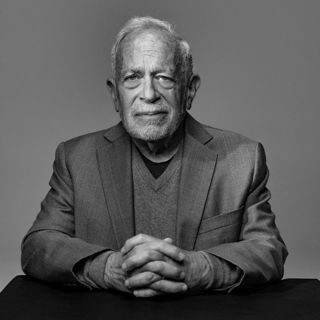
'The Interview': Robert Reich Thinks the Baby Boomers Blew It
The former U.S. Labor Secretary on how complacency and corporate ties created a “bully in chief.” Subscribe today at nytimes.com/podcasts or on Apple Podcasts and Spotify. You can also subscribe via your favorite podcast app here https://www.nytimes.com/activate-access/audio?source=podcatcher. For more podcasts and narrated articles, download The New York Times app at nytimes.com/app.
26 Heinä 43min
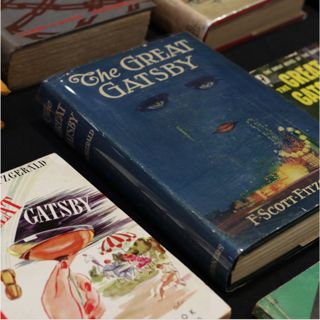
100 Years of ‘The Great Gatsby’
This year, “The Great Gatsby” turns 100.A.O. Scott, a critic at large for The New York Times Book Review, tells the story of how an overlooked book by a 28-year-old author eventually became the great American novel, and explores why all of these decades later, we still see ourselves in its pages.Guest: A.O. Scott, a critic at large for The New York Times Book Review, writing about literature and ideas.Background reading: What the hero in “The Great Gatsby” tell us about how we see ourselves.For more information on today’s episode, visit nytimes.com/thedaily. Transcripts of each episode will be made available by the next workday. Photo: Abigail Cole/University of South Carolina Libraries Subscribe today at nytimes.com/podcasts or on Apple Podcasts and Spotify. You can also subscribe via your favorite podcast app here https://www.nytimes.com/activate-access/audio?source=podcatcher. For more podcasts and narrated articles, download The New York Times app at nytimes.com/app.
25 Heinä 41min
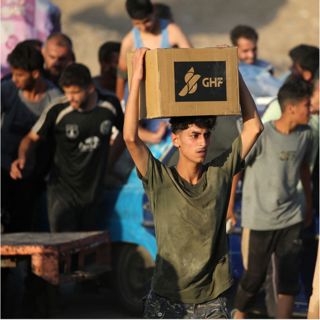
How Seeking Food in Gaza Has Become So Deadly
The suffering in Gaza has reached new depths, and now finding food, which was already scarce, has become a deadly endeavor.Israeli forces have opened fire on crowds of desperate and hungry people who were trying to reach aid sites established by a new and controversial humanitarian group. Hundreds of people have been killed, according to Gaza health officials.Aaron Boxerman, who covers Gaza for The Times, explains who is behind the distribution system and why it has been so deadly.Guest: Aaron Boxerman, a reporter for The New York Times covering Israel and Gaza.Background reading: Dozens were killed in shootings that took place after thousands of Palestinians gathered in the hope of getting humanitarian aid from U.N. trucks entering the Gaza Strip.Israel-backed aid sites in Gaza pose a lethal risk for Palestinians.For more information on today’s episode, visit nytimes.com/thedaily. Transcripts of each episode will be made available by the next workday. Photo: Eyad Baba/Agence France-Presse — Getty Images Subscribe today at nytimes.com/podcasts or on Apple Podcasts and Spotify. You can also subscribe via your favorite podcast app here https://www.nytimes.com/activate-access/audio?source=podcatcher. For more podcasts and narrated articles, download The New York Times app at nytimes.com/app.
24 Heinä 32min