Jeffrey Ludlow on What A Sign Is...

Jeffrey Ludlow on What A Sign Is...

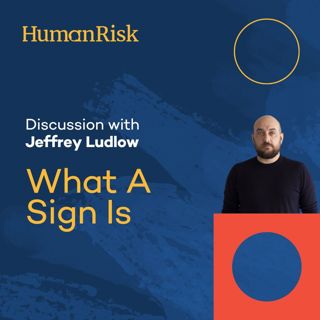
What exactly is a sign? At first glance, that might sound like a strange question. Signs are everywhere: telling us where to go, what to do, what not to do, and sometimes what might happen if we ignore instructions. But as my guest, Jeffrey Ludlow Saentz explains, signs are much more than bits of information on walls or beside roads.

Episode Summary
Jeffrey is a signage designer who works on complex buildings and environments around the world — airports, offices, museums, and other places where helping people find their way really matters. He’s also the author of A Sign Is..., a fascinating book exploring the history, meaning, and cultural significance of the signs that shape our everyday behaviour.

In this conversation, we explore why good signage is often invisible, how buildings “speak” to us through wayfinding systems, and what signs reveal about power, trust, and human behaviour. Along the way we discuss hacked traffic signs, casino design, airport navigation, and why something as simple as an arrow carries centuries of history.

AI-Generated Timestamped Summary
00:00 – Introduction: why signs are more interesting than they first appear
03:00 – How Jeffrey became a signage designer
04:00 – The challenge of helping people navigate complex buildings
07:00 – What actually is a sign?
09:00 – Why “everything can be a sign”
11:00 – The power dynamics behind signage and authority
13:00 – How designers observe signage in the real world
14:30 – Cultural differences in wayfinding and navigation
19:30 – Why Jeffrey wrote A Sign Is..
22:00 – The fascinating history of fire safety signage
24:00 – Curiosity and the stories hidden behind everyday signs
27:00 – Hacked construction signs and unexpected messages
31:00 – Trust, authority, and information on signs
35:00 – Advertising, nudging, and attention
36:00 – Information overload and competing signals
39:00 – The learned language of signs and symbols
41:00 – Why good signage is “invisible” when it works
43:00 – Airports, trust, and wayfinding design
46:00 – How people become signage designers
47:30 – How casinos, airports, and museums use signs differently
50:00 – The psychology of navigation
54:00 – Why signage can’t work perfectly for everyone
57:00 – Why wayfinding is an art rather than a science
01:02:00 – Jeffrey’s book A Sign Is and where to find it
01:04:00 – What signs might look like in the future In this episode we discuss

Key Topics
  • Why signage is a form of behavioural communication
  • How buildings “talk” to people through wayfinding systems
  • The psychology of navigation and spatial awareness
  • Why good signage is invisible
  • How casinos deliberately make navigation harder
  • Why museums minimise signs while airports maximise them
  • The cultural differences in how places are navigated
  • What hacked traffic signs reveal about trust in authority
  • Why signs act as nudges that shape behaviour
  • The limits of signage when designing for large groups
  • How digital navigation may change our relationship with physical signs
About Jeffrey
Jeffrey Ludlow is a signage and wayfinding designer and founder of Point of Reference Studio, a design practice specialising in signage systems, environmental graphics, and branding for public environments. Trained as an architect, Jeffrey’s work sits at the intersection of architecture, graphic design, and behavioural psychology — helping people navigate complex spaces more intuitively. He is the author of A Sign Is, a book exploring the cultural, historical, and behavioural significance of the signs that surround us.

Links
Jeffrey's book 'A Sign Is...' - https://oroeditions.com/product/a-sign-is

Point of Reference, the Madrid-based studio Jeffrey founded - https://pointofreference.studio/

Tämä jakso on lisätty Podme-palveluun avoimen RSS-syötteen kautta eikä se ole Podmen omaa tuotantoa. Siksi jakso saattaa sisältää mainontaa.

Jaksot(376)

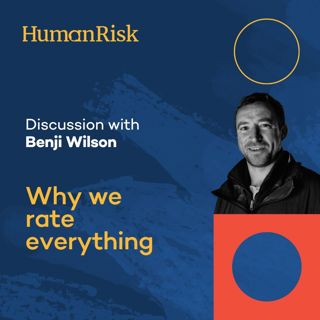
Benji Wilson on why we rate everything

Benji Wilson on why we rate everything

Why do we rate everything and why do we do so on a scale of one to five stars? What happens when systems designed to help us make better choices start influencing our behaviour in ways we don’t necess...

8 Elo 1h 4min
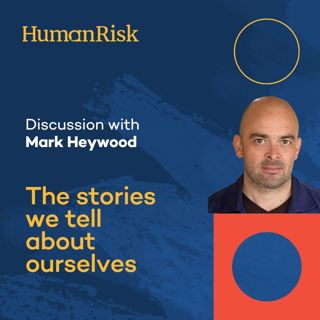
Mark Heywood on The Stories We Tell About Ourselves

Mark Heywood on The Stories We Tell About Ourselves

What parts of yourself have you learned to hide in order to be taken seriously? My guest on this episode is Mark Heywood, a friend of the show, returning guest and someone I've collaborated with on a ...

2 Elo 1h 21min
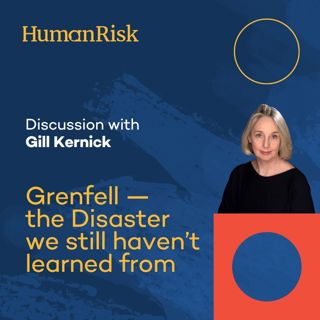
Gill Kernick on Grenfell -  the disaster we still haven't learned from

Gill Kernick on Grenfell - the disaster we still haven't learned from

When something goes badly wrong, we investigate it. Reports are written. Recommendations are made. Lessons are identified. But do we actually learn them?Episode SummaryReturning to the show, Gill Kern...

21 Heinä 57min
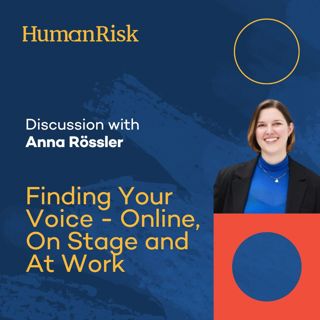
Anna Rössler on Finding Your Voice — Online, On Stage and At Work

Anna Rössler on Finding Your Voice — Online, On Stage and At Work

What does jazz singing have to do with LinkedIn? More than you might think. This week's guest, Anna Rössler, has built a career helping senior leaders find their voice online while simultaneously deve...

5 Heinä 1h 1min
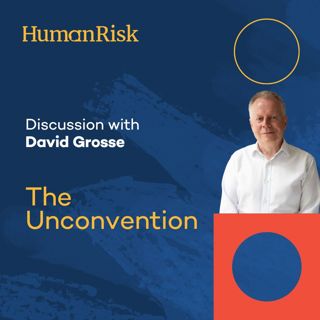
David Grosse on The Unconvention

David Grosse on The Unconvention

What happens when two people who spend their careers thinking about human behaviour meet in a London pub and start complaining about conferences? Apparently, they decide to organise one.Episode Summar...

25 Kesä 48min
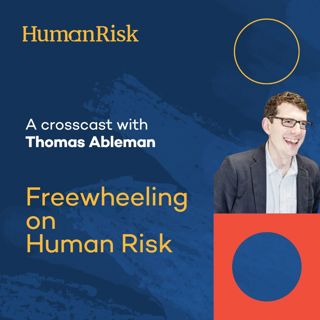
Freewheeling on Human Risk with Thomas Ableman

Freewheeling on Human Risk with Thomas Ableman

Why is it so hard to stop people playing vides, music or phone calls out loud on public transport — and what does that tell us about changing human behaviour? Show Summary This episode of The Human Ri...

11 Kesä 45min

Jill Wick on The Human Side of Cybersecurity

Jill Wick on The Human Side of Cybersecurity

What if the best way to improve cybersecurity — or any other form of human risk — wasn't another policy, training course, or piece of technology, but a board game?  That's the kind of question my gues...

30 Touko 1h 3min
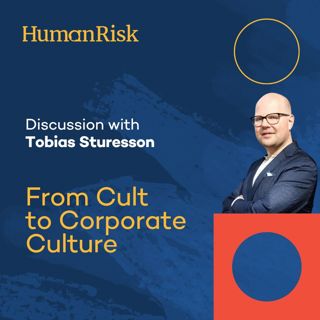
Tobias Sturesson: from cult to corporate culture

Tobias Sturesson: from cult to corporate culture

What can businesses learn from cults?It might sound like an uncomfortable comparison: one involves strategy meetings, values statements and quarterly targets; the other manipulation, charismatic leade...

23 Touko 1h 8min

Suosittua kategoriassa Tiede

rss-poliisin-mieli
rss-mita-tulisi-tietaa
tiedekulma-podcast
docemilia
rss-tiedetta-vai-tarinaa
rss-bios-podcast
rss-duodecim-lehti
rss-hereilla
rss-lapsuuden-rakentajat-podcast
utelias-mieli
radio-antro
hippokrateen-vastaanotolla
filocast-filosofian-perusteet