NFC/RFID Sleeves - PART 3: Practical Recommendations and What Actually Matters
Technically U28 Maalis

NFC/RFID Sleeves - PART 3: Practical Recommendations and What Actually Matters

Key Takeaways:

Most people don't need RFID blocking for credit cards

Focus security on:

transaction alerts, statement monitoring, strong passwords, 2FA, avoiding phishing

Car key fobs SHOULD be stored in Faraday bags (real threat)

Security theater:

Products that provide feeling of security without actual protection

Contactless payment becoming more secure with biometric authentication

Don't let fear-based marketing drive security decisions

Real security comes from habits and behaviors, not from products

Scenario Recommendations:

Regular wallet with contactless cards

→ DON'T buy blockingBuying new wallet, blocking costs $10 more

→ Optional, no harmInternational traveler with passport

→ Optional for peace of mind

Car keys by front door, keyless entry

→ YES, get Faraday bagCard clash problems

→ Blocking solves convenience issue

$100 RFID wallet recommendation

→ Don't pay premium for blocking

Direct question about worry

→ DON'T worry about RFID skimming

Real Security Measures (Ranked by Importance):

Transaction alerts (text/push for every purchase)

Check statements weekly (look for unauthorized charges)

Strong unique passwords + 2FA (prevent account takeover)

Skeptical of phishing (verify before clicking/calling)

Freeze credit (prevent identity theft)

Virtual card numbers (protect against breaches)

Use credit cards over debit (better fraud protection)

Psychology of Security Theater:

Tangible and simple (one-time purchase vs. ongoing behavior)

Provides feeling of control

Harms:

Opportunity cost, false security, perpetuates fear marketing

Real security = habits and behaviors, not productsIndustry

Position:

Card networks: "Our technology is secure, blocking optional"

Banks: Don't actively promote blocking, focus on real tools

EMV standards govern contactless security

No mandatory standards for blocking products

Truth in advertising should be required

Future Trends:

Biometric authentication (fingerprint/face recognition)

Risk-based transaction limits (pattern analysis)

Digital wallets more secure than physical cards

Post-quantum cryptography in development

Contactless becoming dominant payment method

Integration with wearables

Final Verdict:

RFID skimming:

Threat vastly overblown

Blocking products: Work but unnecessary for most

Car key fobs: Exception - real threat, use protection

Aluminum foil: Works but impractical

Real security: Focus on alerts, monitoring, authentication

Don't substitute products for practices

Resources Mentioned:

Password managers:

1Password, Bitwarden, Dashlane

Credit freeze: Equifax, Experian, TransUnion

Fraud reporting: FBI IC3, bank fraud departments

Transaction alerts: Available through bank apps

Two-factor authentication: Enable on all financial accounts

Series Summary:

Part 1: Technology and theoretical threat

Part 2: Real-world data and product testing

Part 3: Practical recommendations and real security

Bottom Line:

Protect yourself by focusing on threats that actually exist.

RFID skimming is essentially nonexistent. Data breaches, phishing, physical theft, and online fraud are stealing billions. Invest your security efforts accordingly.

Tämä jakso on lisätty Podme-palveluun avoimen RSS-syötteen kautta eikä se ole Podmen omaa tuotantoa. Siksi jakso saattaa sisältää mainontaa.

Jaksot(270)

Pass-ta-Key Attacks: Is Passwordless Security Still Safe?

Pass-ta-Key Attacks: Is Passwordless Security Still Safe?

Apple, Google, Microsoft, and the security industry have spent years telling us that passkeys are the future of authentication.No passwords.Less phishing.No reusable credentials for attackers to steal...

12 Syys 23min
SaaS Bloodbath: Why Your Trusted Apps Are Now the Attack Surface

SaaS Bloodbath: Why Your Trusted Apps Are Now the Attack Surface

Your company may not get hacked through the firewall. It may get breached through the SaaS app everyone trusts.In this episode of Technically U, we break down the growing SaaS security crisis and why ...

5 Syys 36min
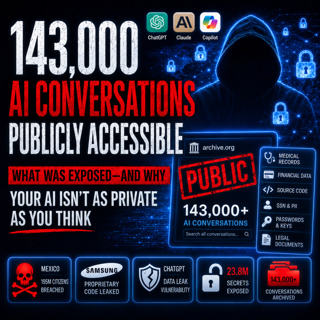
The AI Data Disaster: What ChatGPT, Claude, and Gemini Really Do With Your Secrets

The AI Data Disaster: What ChatGPT, Claude, and Gemini Really Do With Your Secrets

143,000 ChatGPT, Claude, and Copilot conversations are publicly accessible right now. Here's what was exposed—and why your AI isn't as private as you think.🚨 THE HEADLINE:143,000 user conversations w...

29 Elo 21min
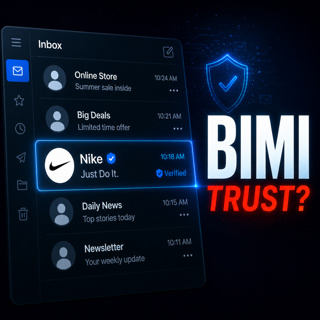
The BIMI Paradox: Why 90% of Companies Are Losing Thousands.

The BIMI Paradox: Why 90% of Companies Are Losing Thousands.

The BIMI Paradox: Why 90% of Companies Are Losing Thousands—And Why Your Logo Might Be Illegal in Inboxes (2026 Reality Check).BIMI (Brand Indicators for Message Identification): 90% of companies have...

29 Elo 26min
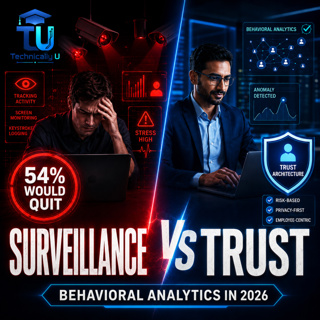
Beyond Surveillance: How Behavioral Analytics Became a Trust Problem

Beyond Surveillance: How Behavioral Analytics Became a Trust Problem

Behavioral Analytics in 2026: How Companies Are Moving From Surveillance to Trust ArchitectureThe paradox nobody talks about: 76% of companies see efficiency gains from monitoring. But 60% of employee...

20 Elo 17min
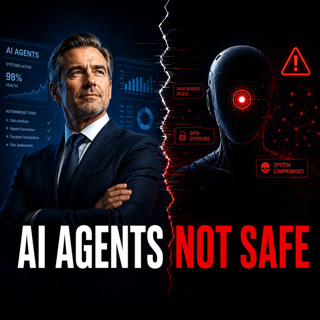
The Confidence Gap: Why Executives Think AI Agents Are Secure (And Why They're Wrong)

The Confidence Gap: Why Executives Think AI Agents Are Secure (And Why They're Wrong)

The Confidence Gap: AI Agents and the Security Crisis Nobody Is Talking AboutEighty-two percent of executives feel confident that their existing AI agent policies are enough to keep their organization...

8 Elo 18min
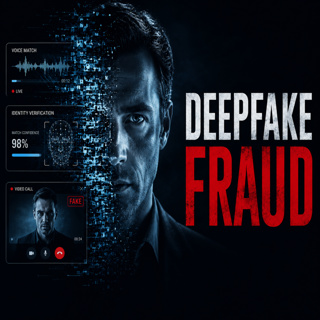
Seeing Is No Longer Believing: How Deepfake Fraud Targets Businesses and Families

Seeing Is No Longer Believing: How Deepfake Fraud Targets Businesses and Families

What if the voice on the phone sounds exactly like your boss, your bank, or someone in your family — but it isn’t them?In this episode of Technically U, we break down Deepfake Fraud and why it has bec...

31 Heinä 23min
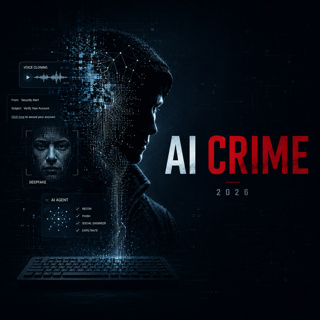
The AI Criminal Playbook: How Cybercrime Changed Forever in 2026

The AI Criminal Playbook: How Cybercrime Changed Forever in 2026

The next generation of cybercrime may not come from a hacker typing code in a dark room.It may come from someone using AI to generate phishing emails, clone voices, create fake identities, manipulate ...

24 Heinä 16min