"Not to Kill any Living Being" - The First Buddhist Precept | Dhamma Talk by Ajahn Dhammasiha

"Not to Kill any Living Being" - The First Buddhist Precept | Dhamma Talk by Ajahn Dhammasiha

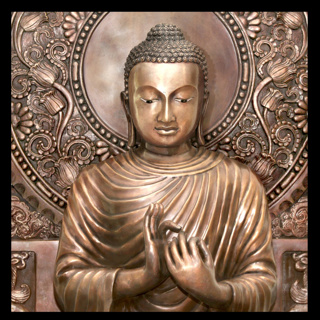
On the first Full Moon Day of this year's Rains Retreat, Ajahn Dhammasiha dedicates his Dhamma Talk to the first Buddhist precept:"Pāṇātipātā veramaṇi sikkhāpdaṃ samādiyāmi"."I undertake the training-rule to abstain from killing any living being".Ajahn quotes from a military study that found the majority of US American soldiers in 2nd World War deliberately avoided shooting to kill. They tried to shoot intentionally high or low, or not at all, even in the middle of battle when their own life was in danger.[S.L.A. Marshall: "Men Against Fire - The Problem of Battle Command"]Of those who fired to kill, the vast majority later suffered from Post Traumatic Stress Disorder. The very small percentage who shot to kill, and did not suffer from PTSD, showed the profile of 'psychopatic personality' in psychological testsInterestingly, nowadays even drone operators, who do the killing remotely in bunkers thousands of kilometers from the battlefield, and who were not exposed to any danger themselves, still get PTSD. This shows that the condition is not caused by exposure to danger alone, but can result simply from the bad karma, and the feeling of regret and remorse caused by killing other humans.Ajahn mentions other instances where "Heros of the First Precept" showed great courage in order NOT to kill. They face danger and disadvantages, but are willing to take it, rather than killing another human:The Soviet Navy officer Vasily Arkhipov on a submarine during the Cuban missile crisis. Under attack by American depth charges, the Soviet submarine captain wanted to launch a nuclear torpedo in return. But he needed the agreement of two other officers to proceed. One officer agreed, but Vasily objected, and finally prevailed in a heated argument. His courageous decision probably averted global nuclear war.The German Stasi officer Harald Jäger. He was in charge of a border crossing in the Berlin Wall. On 09/11/1989 a huge crowd of Est Germans started to gather at his crossing, pushing and demanding to get across to West Berlin. He decided, on his own authority, against explicit order, to completely open the checkpoint, avoiding a boodbath and triggering further openings at other checkpoints.On a weekend where rubber bullets are being fired in Australia, Ajahn reminds us all to maintain unwavering commitment to not-killing. The Buddha's teaching on non-violence is unambiguous: No social pressure, orders, commands, heated emotions, views, or anything at all could ever justify the intentional killing of a human being.www.dhammagiri.org.auwww.facebook.com/dhammagiri-forest-hermitagewww.youtube.com/channel/UCJINt0JJBfFm_x0FZcU9QJwwww.tinyletter.com/dhammagiri/archive

Tämä jakso on lisätty Podme-palveluun avoimen RSS-syötteen kautta eikä se ole Podmen omaa tuotantoa. Siksi jakso saattaa sisältää mainontaa.

Jaksot(523)

 Christa Pike Survives Execution Protected by Loving Kindness | Metta vs Poison | Ajahn Dhammasiha

Christa Pike Survives Execution Protected by Loving Kindness | Metta vs Poison | Ajahn Dhammasiha

Recently the case of Christa Pike's "botched execution" in Tennessee went viral, as she is apparently the first person ever in the US to survive an "execution" after the poison (pentobarbital) was adm...

12 Loka 30min
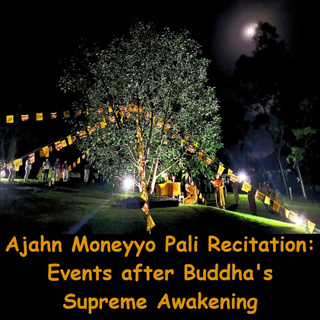
AJAHN MONEYYO | Pali Recitation: Buddha's Enlightenment to First Discourse | Vinaya Mahavagga 1. 1-6

AJAHN MONEYYO | Pali Recitation: Buddha's Enlightenment to First Discourse | Vinaya Mahavagga 1. 1-6

Ajahn Moneyyo recites the first chapters of the Vinaya Piṭaka, Mahāvagga 1. 1. to 1.6. in the original Pali language. These passages are the oldest and most authentic record of the events from the Bud...

9 Loka 40min
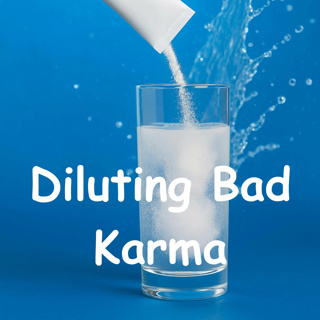
How to Overcome Bad Karma | Diluting Unwholesome Kamma with Powerful Good Actions | Ajahn Dhammasiha

How to Overcome Bad Karma | Diluting Unwholesome Kamma with Powerful Good Actions | Ajahn Dhammasiha

Ajahn Dhammasīha talks about the power of Good Karma (Puñña) to to weaken and dilute even extremely bad old karma. The Buddha explained the process with the simile of drinking salty water: 🚰💧 The go...

4 Loka 47min
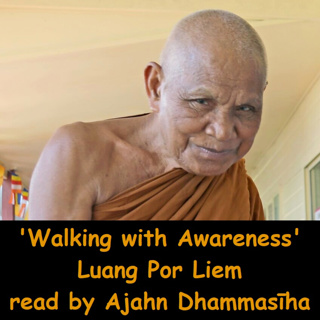
Walking with Awareness | Luang Por Liem's Guide for Walking Meditation | Ajahn Dhammasiha | Cankama

Walking with Awareness | Luang Por Liem's Guide for Walking Meditation | Ajahn Dhammasiha | Cankama

Ajahn Dhammasiha reads Luang Por Liem's little booklet on Walking Meditation (Jongrom / Cankama / Sakman Bhāvanā), translated by late Ajahn Thaniyo. You can read and download the booklet here: https:/...

1 Loka 26min
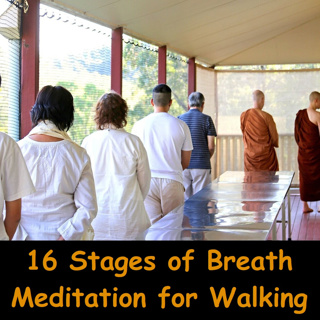
Walking Meditation: Apply 16 Stages of Breath Meditation to Walking Cankama | Ajahn Dhammasiha

Walking Meditation: Apply 16 Stages of Breath Meditation to Walking Cankama | Ajahn Dhammasiha

Ajahn Dhammasiha suggests to use the same instructions the Buddha has given us for Breath Meditation in our Walking Meditation. The 16 stages of breath meditation have been expounded by the Buddha in ...

27 Syys 40min
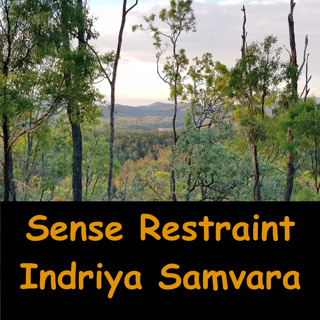
Sense Restraint | Self Control | Indriya Samvara | AN Eights #9 'Nanda Sutta'| Ajahn Dhammasiha

Sense Restraint | Self Control | Indriya Samvara | AN Eights #9 'Nanda Sutta'| Ajahn Dhammasiha

The Buddha's half-brother Venerable Nanda was the foremost bhikkhu disciple in terms of sense restraint. He was attractive, handsome, strong and had a natural inclination to intense sensual desire, wh...

21 Syys 27min
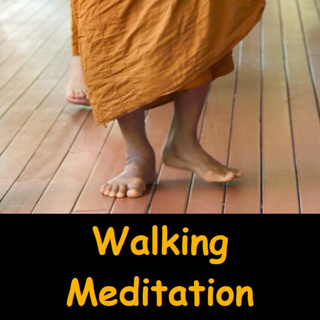
Don't Neglect Walking Meditation! | Cankama Bhavana | Dhamma Talk | Jongrom | Ajahn Dhammasiha

Don't Neglect Walking Meditation! | Cankama Bhavana | Dhamma Talk | Jongrom | Ajahn Dhammasiha

Walking meditation is in no way inferior to sitting meditation. In fact, for many of us in modern society it can be a more suitable posture than sitting crosslegged (or even full lotus). The way we gr...

18 Syys 41min
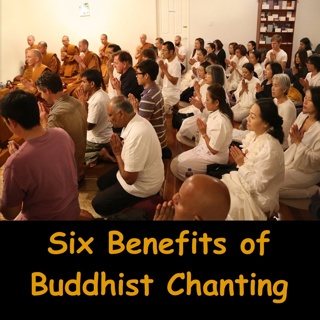
Buddhist Chanting: Why We Do It | Benefits of Dhamma Recitation | Chant by Heart | Ajahn Dhammasiha

Buddhist Chanting: Why We Do It | Benefits of Dhamma Recitation | Chant by Heart | Ajahn Dhammasiha

Chanting is an essential part of meditative practice in virtually all Buddhist traditions, and also in other religions. Ajahn Dhammasiha explains the powerful benefits we receive from diligently learn...

14 Syys 48min

Suosittua kategoriassa Uskonto ja hengellisyys

yopuolen-tarinoita-2
lahko
kulttien-johdossa
voi-hyvin-meditaatiot-2
rss-lakeuden-valo
maailmanpuu
harhaoppia
rss-raamattu-podcast
astropodia
rss-yopuolen-tarinoita
rss-kirkon-ihmeellisimmat-tarinat
rss-seuraa-sieluasi
rss-miehen-mieli-podcast
rss-enbuske-jeesuksen-duunarit
rss-jennan-planetaario
rss-kujalla
raamattu-tanaan
rss-viisaiden-naisten-neuvosto
rss-vapaudu-voimaasi
rss-valopaat-podcast