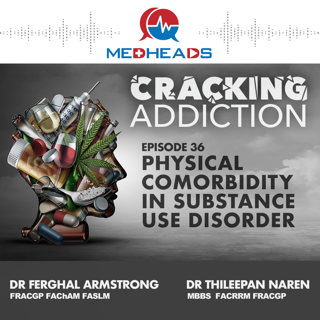
Physical comorbidity in substance use disorder
Cracking Addiction20 Huhti 2022

Physical comorbidity in substance use disorder

In episode 36 of Cracking Addiction we discuss in detail some of the physical comorbidities associated with substance use disorders and what to screen for, be aware of and some management techniques.

People with substance use disorders often deal with many medical and physical issues that can impact both their quality of life but also increase the risks of morbidity and mortality. There are a number of medical and physical conditions that could be discussed but for the sake brevity this blog post will detail the following:

• Chronic pain

• Tobacco use

• Infectious diseases

• Chronic NSAID toxicity


Chronic pain

Chronic pain alters brain’s stress and reward systems and increases the risk for developing an opioid use disorder. It is thought that up to 30% of chronic pain patients misuse prescription opioids and this is becoming an increasingly problematic matter within society. Recent data and statistics reveal that prescription drug deaths in Victoria now exceed the road toll. The treatment and management of chronic non-cancer related pain is now moving away from a medication centred approach and indeed chronic opioid medication usage are associated with long-term harms within this group including increased risks of opioid induced hyperalgaesia, osteoporosis and hypothalamic pituitary gonadal axis dysfunction. The management of chronic non-cancer related pain now increasingly centres around active pain management strategies, physical therapy, allied health input and rehabilitation activities.


Tobacco use

Many patients with substance use disorders smoke tobacco and broaching smoking and tobacco cessation is important to improving the overall health and wellbeing of the patient. Oftentimes it appears other drugs and substances take priority of tobacco usage but tobacco usage is also associated with significant harms to the patient. It is important to discuss the harms of smoking with patients with substance use disorders and offer smoking cessation interventions. Tobacco usage is responsible for the majority of lung cancer and approximately one-third of all cancer related deaths. Tobacco use is also directly responsible for: cardiovascular disease, reduced immunity, poor wound healing, age related macular degeneration and worsening chronic pain.

Infectious diseases

Patients with substance use disorder are at increased risk of some infectious diseases and it is important to screen people appropriately. In particular people who inject drugs and share needles or who engage in commercial sex work to pay for drugs require screening for blood borne viruses and the latter group in particular will require a thorough sexually transmitted infection screen. Blood borne virus screening includes screening for Hepatitis B, C and HIV and STI screening includes screening for chlamydia, gonorrhoea and syphilis in the first instance.

People who inject drugs are also at risk of skin infections and abscesses as a result of injecting drug use and skin examination should be carried out periodically to exclude thrombophlebitis in veins, cellulitis and one should always consider the risks of infective endocarditis in the appropriate clinical scenario. It is important to be thorough and systematic in our physical examination of our patients and when ordering tests so as not to miss an important medical diagnosis.


Chronic NSAID toxicity

Codeine misuse and dependency associated with chronic non-steroidal anti-inflammatory drug (NSAID) toxicity. NSAIDS can ulceration of the gastrointestinal tract which can lead to bleeding and even perforation of the gastrointestinal tract in severe circumstances. Chronic NSAIDs usage can lead to iron deficiency with or without anaemia due to bleeding from the gastrointestinal tract. Chronic NSAID usage can also lead to recurrent metabolic acidosis and also cause significant renal impairment and lead to NSAID nephropathy...

Tämä jakso on lisätty Podme-palveluun avoimen RSS-syötteen kautta eikä se ole Podmen omaa tuotantoa. Siksi jakso saattaa sisältää mainontaa.

Jaksot(250)

BIND Recovery: Why Amitriptyline Could Be Making Symptoms Worse

BIND Recovery: Why Amitriptyline Could Be Making Symptoms Worse

That sleep med your doctor gave you for benzo withdrawal? Amitriptyline might actually be making things worse. Here's the surprising reason. Your brain is trying to heal its GABA receptors, a process ...

15 Heinä 7min
Pregabalin Withdrawal: Why Australian ERs Are Seeing Double the Cases

Pregabalin Withdrawal: Why Australian ERs Are Seeing Double the Cases

Pregabalin withdrawal is one of Australia's most under-diagnosed clinical emergencies — and most doctors still don't recognise it. Emergency departments are reporting a 200% increase in presentations ...

8 Heinä 7min

Opioid Withdrawal: Why Symptoms Follow This Exact Pattern

Opioid Withdrawal: Why Symptoms Follow This Exact Pattern

Understand the true opioid withdrawal timeline and why symptoms are not linear. Dr. Ferghal Armstrong clarifies the science behind how your brain reacts during recovery.Many people mistakenly believe ...

1 Heinä 8min
Your Body's Deadliest Reaction to Cocaine and Alcohol

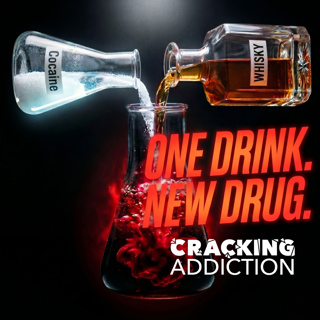
Your Body's Deadliest Reaction to Cocaine and Alcohol

Mixing cocaine and alcohol creates cocaethylene, a deadly substance 25 times more toxic than cocaine alone. Learn the risks here.Most cocaine users are unaware that combining these two substances trig...

24 Kesä 7min
Meth Withdrawal — Why It Takes 6 Months to Feel Normal Again

Meth Withdrawal — Why It Takes 6 Months to Feel Normal Again

Why does meth withdrawal take 6 months when alcohol withdrawal takes days?It's all about dopamine depletion and neuroplasticity 🧠Dr. Ferghal breaks down:• The 3-phase withdrawal timeline• What happen...

27 Touko 6min
Childhood Obesity: Why 30% of Kids We Help Have Food Trauma Issues

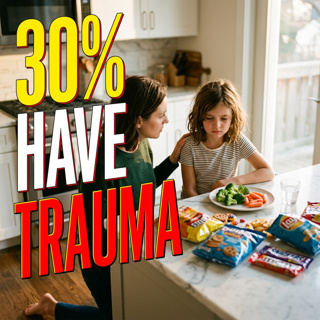
Childhood Obesity: Why 30% of Kids We Help Have Food Trauma Issues

30% of kids with excess weight that we help have trauma-based eating patterns. That's not willpower failure — that's biology. When children experience domestic violence, financial stress, or emotional...

20 Touko 16min
Binge Drinking: The Hidden Truth About Weekend Warriors

Binge Drinking: The Hidden Truth About Weekend Warriors

MYTH: You need to hit 'rock bottom' to recover from addiction. But here's what addiction specialist Dr. Ferghal Armstrong's guest Tom reveals: his worst moment wasn't losing everything – it was waking...

13 Touko 21min
Attachment Issues Cause Addiction - 4 Types That Lead to Drugs

Attachment Issues Cause Addiction - 4 Types That Lead to Drugs

Think trauma only happens from big events like car crashes? Wrong. Dr. Ferghal here with a myth-bust that'll change how you see childhood forever.The biggest trauma isn't what you think — it's relatio...

6 Touko 24min

Suosittua kategoriassa Terveys ja hyvinvointi

unicast
vakeva-elama-viisaampi-mieli-vahvempi-keho
tiedenaiset-podcast
psykopodiaa-podcast
meditaatiot-suomeksi
rss-pitaisko-erota
rss-kuumilla-aalloilla
rss-pt-paahtio
voi-hyvin-meditaatiot-2
rss-seksicast
terapiassa
paritellen
selviytyjat-tarinoita-elamasta
junnut-pelissa
rss-perho-rajoilla
mielipaivakirja
mielen-puolikkaat
fitnessvastaanotto
rss-mighty-finland-podcast
rss-sanelunpurku-podcast