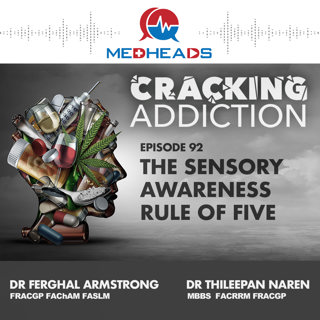
The Sensory Awareness Rule of Five
Cracking Addiction17 Touko 2023

The Sensory Awareness Rule of Five

The Sensory Awareness Rule of Five is a technique that involves shifting one's focus from distressing thoughts or emotions to neutral sensory input. By focusing on what we can see, hear, feel, smell, and taste, we can ground ourselves in the present moment and reduce the intensity of our distress. This technique can be particularly helpful for individuals who experience re-experiencing symptoms associated with PTSD. By focusing on neutral stimuli, we can shift our attention away from distressing memories or flashbacks and regain a sense of control.

To use this technique, you can start by taking a few deep breaths and then focus on the present moment. What can you see around you? What sounds can you hear? What sensations can you feel in your body? What smells can you detect? What tastes can you identify? Take a few moments to observe these neutral sensory inputs and allow yourself to become fully present in the moment. This can help you to calm down and reduce the intensity of your distress.

Improve the Day Mnemonic

The "Improve" the day system is a useful intervention for managing distress that involves focusing on six areas of our lives that can improve our overall well-being and reduce distress. By implementing small changes in these areas, we can improve our mood, reduce distress, and enhance our overall well-being.

The acronym "Improve" stands for:

  1. Imagery: This involves using visualization techniques to imagine positive outcomes or situations. By visualizing positive outcomes, we can create a sense of hope and optimism. For example, if we are feeling distressed about an upcoming presentation, we can visualize ourselves giving a successful presentation and receiving positive feedback from our audience. This can help us feel more confident and less anxious about the upcoming event.
  2. Meaning: This involves identifying activities or experiences that give our lives meaning and purpose. When we engage in activities that are aligned with our values and beliefs, we experience a sense of fulfillment and satisfaction. For example, if we value helping others, we can engage in volunteer work or donate to a charitable organization. This can give us a sense of purpose and meaning, which can help reduce distress.
  3. Prayer: This involves engaging in spiritual or religious practices that provide comfort and support. For individuals who have a spiritual or religious practice, engaging in prayer or meditation can provide a sense of comfort and support. This can help reduce distress and provide a sense of connection to something larger than ourselves.
  4. Relaxation: This involves engaging in activities that promote relaxation and reduce stress, such as deep breathing, meditation, or yoga. When we are stressed or anxious, our body responds by releasing stress hormones, such as cortisol and adrenaline. By engaging in relaxation techniques, we can reduce the amount of stress hormones in our body and promote a sense of calm and relaxation.
  5. One thing: This involves identifying one small thing we can do each day to improve our mood or well-being. This can be something as simple as taking a few minutes to listen to our favorite song, going for a walk, or calling a friend. By focusing on one small thing each day, we can create a sense of accomplishment and positivity, which can help reduce distress.
  6. Vacation: This involves taking time off from work or other responsibilities to engage in enjoyable activities or travel. Vacations provide an opportunity to relax, recharge, and engage in activities that bring us joy and fulfillment. By taking time off from our regular routine, we can reduce stress and improve our overall well-being.

In conclusion, the "Improve" the day system is a useful intervention for managing distress that involves focusing on six areas of our lives that can improve our overall well-being and reduce distress. By implementing small changes in...

Jaksot(238)

Methadone in Opioid Agonist Therapy

Methadone in Opioid Agonist Therapy

Ferghal & Thileepan explore the role of Methadone in opioid agonist therapy.

3 Marras 202113min
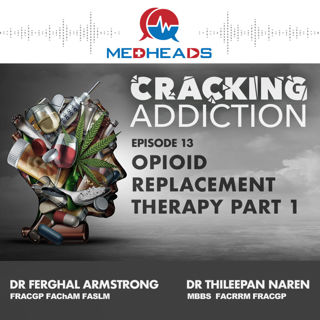
Opioid Replacement Therapy Part 1

Opioid Replacement Therapy Part 1

Episode 13 of Cracking Addiction covers opioid replacement therapy (ORT) and the philosophy and evidence behind this highly effective treatment for patients with opioid use disorder.

26 Loka 202119min

Dependence, Addiction and Opioid Use Disorder

Dependence, Addiction and Opioid Use Disorder

In this episode of Cracking Addiction we cover the difference between dependence and addiction, the intricacies of addiction and provide a definition of opioid use disorder

20 Loka 202113min
OPQRST

OPQRST

Cracking Addiction covers the OPQRST framework and how to use this framework to prescribe safely to patients on opioid medications.

13 Loka 202118min
An Introduction to Opioids

An Introduction to Opioids

In this episode of Cracking Addiction we provide an introduction to opioids, how they work what receptors they act upon and some of the harms associated with opioids.

6 Loka 202113min

Alcohol Use Disorder Summary Points

Alcohol Use Disorder Summary Points

In this episode of Cracking Addiction we summarise the previous episodes detailing alcohol use disorder, alcohol withdrawal management, rationale for anti-craving medications and how to assist our pat...

29 Syys 202122min
Alcoholics Anonymous and SMART Recovery

Alcoholics Anonymous and SMART Recovery

In this episode of Cracking Addiction we discuss both Alcoholics Anonymous and SMART recovery programs and review the evidence base behind each of these interventions and how to help patients choose t...

22 Syys 202122min
Alcohol Anti-Craving Medications

Alcohol Anti-Craving Medications

In this episode of Cracking Addiction we explore the common anti-craving medications used in alcohol use disorder and explain what the choices are, what the indications for these medications are, how ...

15 Syys 202125min

Suosittua kategoriassa Terveys ja hyvinvointi

unicast
voi-hyvin-meditaatiot-2
rss-hanna-tikander
rss-pitaisko-erota
psykopodiaa-podcast
rss-narsisti
tiedenaiset-podcast
vakeva-elama-viisaampi-mieli-vahvempi-keho
meditaatiot-suomeksi
puhu-muru
terapiassa
junnut-pelissa
rss-kuumilla-aalloilla
rss-kyykkya-ja-kuoharia
rss-pt-paahtio
fitnessvastaanotto
selviytyjat-tarinoita-elamasta
katilon-kahvitunti
rss-duodecim-lehti
rss-seuraava-potilas