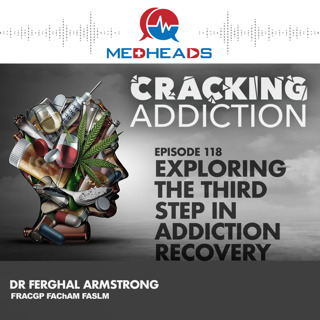
Surrendering to the Unknown: Exploring the Third Step in Addiction Recovery
Cracking Addiction15 Marras 2023

Surrendering to the Unknown: Exploring the Third Step in Addiction Recovery

Welcome to another episode of Cracking Addiction, where we delve into the world of addiction and recovery. In this episode, Dr. Ferghal Armstrong and guest Dr. Laura Petracek explore the third step in the twelve-step process. They discuss the concept of turning our will and our lives over to a higher power, exploring different interpretations of what that higher power may be. Dr. Petracek shares her insights on the challenges of surrendering oneself to the unknown and the importance of accountability in the recovery process. They also discuss the Serenity Prayer and its role in understanding the third step. If you're interested in addiction recovery and understanding the power of surrender, this episode is a must-listen.

Key Points and Learning Outcomes:

1. Understanding the Concept of Higher Power: The third step involves making a conscious decision to turn our will and our lives over to the care of a higher power as we understand it. This concept varies for each individual, and it can include religious beliefs, nature, support groups, or even a sponsor. By exploring different interpretations, we can personalize our recovery journey and find a source of accountability and support.

2. Accountability and the Need for Human Connection: Surrendering to a higher power alone may not provide enough accountability in recovery. Dr. Petracek highlights the importance of involving real people, such as sponsors or support groups, in our commitment to abstain from addictive substances. This external accountability helps to overcome denial and provides a stronger foundation for long-term recovery.


3. Surrendering Self-Control and Willpower: The idea of surrendering our self-control, willpower, and identity can be daunting for many individuals. Particularly for those who have relied on drugs or alcohol as a coping mechanism, letting go of familiar habits may feel like stepping into the unknown. However, surrendering the things we cannot change is a crucial step towards personal growth and finding serenity in recovery.

4. Addressing Doubts and Skepticism: Some individuals may find difficulty with the third step due to its traditional association with a white Christian God. To overcome this barrier, reframing the concept of a higher power is vital. Books such as "Twelve Steps a Woman's Way" or using therapy approaches like dialectical behavior therapy can help individuals find a more inclusive interpretation that aligns with their personal beliefs and culture.

Actionable Takeaways:

1. Explore Your Understanding of Higher Power: Take time to reflect on your own understanding of a higher power. Consider what brings you a sense of peace, support, and guidance. It doesn't have to conform to traditional notions; it should be a source of strength that resonates with you.

2. Seek Accountability in Human Connections: Find someone you trust, such as a sponsor or a support group, to hold you accountable in your recovery journey. Sharing your commitments and struggles with others can significantly enhance your chances of maintaining sobriety.

3. Embrace Surrender and Letting Go: Recognize the limitations of your control over certain aspects of life. Embrace the idea of surrendering the things you cannot change and focusing your energy on the areas where you can make a difference.

4. Challenge Traditional Notions: If you struggle with the concept of a higher power due to cultural or religious differences, explore alternative perspectives and resources that align with your beliefs. Look for books, communities, or therapists who can help you reframe the concept to make it more inclusive and meaningful for you.

Quote:

"It's like you're asking them to go off a cliff without a parachute. It's very scary. But not drinking or drugging is scary because you don't know what's going to happen. But if I wake up and have a beer, I know exactly what's going to happen and it's not...

Tämä jakso on lisätty Podme-palveluun avoimen RSS-syötteen kautta eikä se ole Podmen omaa tuotantoa. Siksi jakso saattaa sisältää mainontaa.

Jaksot(246)

Meth Withdrawal — Why It Takes 6 Months to Feel Normal Again

Meth Withdrawal — Why It Takes 6 Months to Feel Normal Again

Why does meth withdrawal take 6 months when alcohol withdrawal takes days?It's all about dopamine depletion and neuroplasticity 🧠Dr. Ferghal breaks down:• The 3-phase withdrawal timeline• What happen...

27 Touko 6min
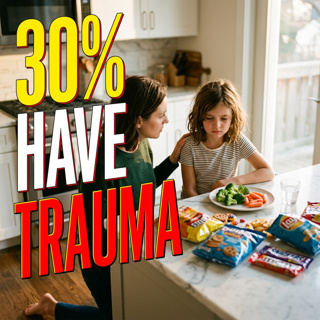
Childhood Obesity: Why 30% of Kids We Help Have Food Trauma Issues

Childhood Obesity: Why 30% of Kids We Help Have Food Trauma Issues

30% of kids with excess weight that we help have trauma-based eating patterns. That's not willpower failure — that's biology. When children experience domestic violence, financial stress, or emotional...

20 Touko 16min
Binge Drinking: The Hidden Truth About Weekend Warriors

Binge Drinking: The Hidden Truth About Weekend Warriors

MYTH: You need to hit 'rock bottom' to recover from addiction. But here's what addiction specialist Dr. Ferghal Armstrong's guest Tom reveals: his worst moment wasn't losing everything – it was waking...

13 Touko 21min
Attachment Issues Cause Addiction - 4 Types That Lead to Drugs

Attachment Issues Cause Addiction - 4 Types That Lead to Drugs

Think trauma only happens from big events like car crashes? Wrong. Dr. Ferghal here with a myth-bust that'll change how you see childhood forever.The biggest trauma isn't what you think — it's relatio...

6 Touko 24min

Benzodiazepine Withdrawal Waves Explained | Ashton Protocol

Benzodiazepine Withdrawal Waves Explained | Ashton Protocol

Most people are told that benzodiazepine withdrawal should improve in a straight line. That myth keeps many people trapped in shame, fear, and confusion when symptoms come back in waves. But brain rec...

23 Huhti 7min

Quit Smoking: 30% Better Recovery from Drug Addiction

Quit Smoking: 30% Better Recovery from Drug Addiction

Dopamine pathways and addiction recovery: Why smoking during addiction treatment reduces your chances of lasting sobriety by 30%🚬 THE MYTH WE'VE ALL BELIEVEDFor decades, addiction treatment centres h...

15 Huhti 3min

3 Evidence-Based Recovery Models That Actually Work

3 Evidence-Based Recovery Models That Actually Work

Recovery paths aren't one-size-fits-all. Dr. Fergal Armstrong explains why neuroplasticity supports multiple evidence-based approaches to addiction recovery.**THE MYTH: One "Right" Way to Recover**Soc...

8 Huhti 7min

The Neuroscience of Cravings and Brain Recovery

The Neuroscience of Cravings and Brain Recovery

Addiction neuroscience explains why cravings feel urgent, physical, and overpowering—and why that does not mean recovery is impossible.Many people still believe cravings happen because of weak willpow...

3 Huhti 5min

Suosittua kategoriassa Terveys ja hyvinvointi

unicast
psykopodiaa-podcast
vakeva-elama-viisaampi-mieli-vahvempi-keho
tiedenaiset-podcast
rss-pitaisko-erota
voi-hyvin-meditaatiot-2
puhu-muru
rss-kuumilla-aalloilla
katilon-kahvitunti
rss-uplevel-by-sonja-hannus
rss-narsisti
meditaatiot-suomeksi
traumapodi
rss-pt-paahtio
rss-nautinto
rss-terapiaklubi
junnut-pelissa
fitnessvastaanotto
rss-palaudu-synnytyksesta-podcast
rss-hereilla