Understanding Psychosis and Substance Use
Cracking Addiction20 Joulu 2023

Understanding Psychosis and Substance Use

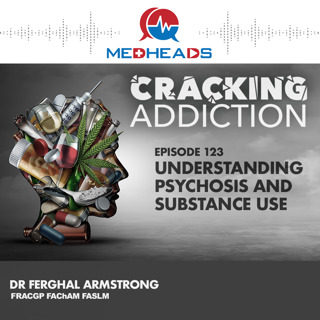
In this episode of Cracking Addiction, Dr. Ferghal Armstrong and guest Dr. Manu Bhatnagar engage in a deep dive into the complex topic of psychosis, specifically in the context of substance use disorders. With a focus on understanding the nature of psychosis, the impetus behind psychotic experiences, and the differentiating factors between substance-induced psychotic disorders and primary schizophrenia disorders, this episode imparts valuable insights for both healthcare professionals and individuals affected by addiction and mental health issues.

Focus Keyword: Psychosis in Addiction

In this episode of Cracking Addiction, Dr. Manu Bhatnagar and Dr. Ferghal Armstrong dissect the nature of psychosis, emphasizing its status as a symptom rather than a standalone illness. They highlight the potential influences of social and cultural contexts on the diagnosis of psychosis, shedding light on the impact of societal trends and media portrayals on the manifestation of psychotic experiences. The discussion delves into the potential causes of psychosis, including the interplay of genetic, environmental, and substance-related factors.

Learning Outcomes:

1. Understanding the Multifaceted Nature of Psychosis: Dr. Bhatnagar provides a comprehensive overview of psychosis, defining it as a disruption of thought, perception, and cognition. This highlights the diversity of psychotic experiences and the importance of individual past experiences in shaping these manifestations. The discussion offers a nuanced understanding of psychosis as a complex interplay of factors, paving the way for more holistic approaches to addressing psychotic symptoms.

2. Differentiating Substance-Induced Psychotic Disorders: The episode elucidates the distinction between substance-induced psychotic disorders, particularly those triggered by stimulants and cannabis, and primary schizophrenia disorders. The emphasis on psychomotor agitation as a hallmark of substance-induced psychosis provides a valuable framework for clinicians to differentiate these conditions, informing targeted interventions.

3. Longitudinal Assessment and Treatment Implications: The speakers underscore the significance of longitudinal assessment in distinguishing substance-induced psychosis from primary schizophrenia disorders. This insight carries profound implications for treatment, as the potential resolution of symptoms with abstinence underscores the importance of addressing substance use in managing psychotic experiences.

Actionable Takeaways:

1. Embrace a Holistic Understanding: Recognize the multifactorial nature of psychosis, encompassing genetic predispositions, environmental influences, and substance-related triggers. This broader perspective can inform more comprehensive treatment strategies, taking into account the diverse factors contributing to psychotic experiences.

2. Heightened Clinical Vigilance: Develop a heightened awareness of the hallmarks of substance-induced psychotic disorders, such as psychomotor agitation and acute onset in the context of substance use. This keen clinical vigilance can aid in accurate differential diagnosis and tailored interventions for individuals presenting with psychotic symptoms.

3. Prioritize Longitudinal Assessment: Prioritize longitudinal assessment, particularly in cases of suspected substance-induced psychosis, to discern the potential impact of substance use on psychotic experiences. This approach underscores the importance of addressing substance use disorders in managing psychosis and promoting long-term recovery.

Tämä jakso on lisätty Podme-palveluun avoimen RSS-syötteen kautta eikä se ole Podmen omaa tuotantoa. Siksi jakso saattaa sisältää mainontaa.

Jaksot(246)

Meth Withdrawal — Why It Takes 6 Months to Feel Normal Again

Meth Withdrawal — Why It Takes 6 Months to Feel Normal Again

Why does meth withdrawal take 6 months when alcohol withdrawal takes days?It's all about dopamine depletion and neuroplasticity 🧠Dr. Ferghal breaks down:• The 3-phase withdrawal timeline• What happen...

27 Touko 6min

Childhood Obesity: Why 30% of Kids We Help Have Food Trauma Issues

Childhood Obesity: Why 30% of Kids We Help Have Food Trauma Issues

30% of kids with excess weight that we help have trauma-based eating patterns. That's not willpower failure — that's biology. When children experience domestic violence, financial stress, or emotional...

20 Touko 16min

Binge Drinking: The Hidden Truth About Weekend Warriors

Binge Drinking: The Hidden Truth About Weekend Warriors

MYTH: You need to hit 'rock bottom' to recover from addiction. But here's what addiction specialist Dr. Ferghal Armstrong's guest Tom reveals: his worst moment wasn't losing everything – it was waking...

13 Touko 21min

Attachment Issues Cause Addiction - 4 Types That Lead to Drugs

Attachment Issues Cause Addiction - 4 Types That Lead to Drugs

Think trauma only happens from big events like car crashes? Wrong. Dr. Ferghal here with a myth-bust that'll change how you see childhood forever.The biggest trauma isn't what you think — it's relatio...

6 Touko 24min

Benzodiazepine Withdrawal Waves Explained | Ashton Protocol

Benzodiazepine Withdrawal Waves Explained | Ashton Protocol

Most people are told that benzodiazepine withdrawal should improve in a straight line. That myth keeps many people trapped in shame, fear, and confusion when symptoms come back in waves. But brain rec...

23 Huhti 7min

Quit Smoking: 30% Better Recovery from Drug Addiction

Quit Smoking: 30% Better Recovery from Drug Addiction

Dopamine pathways and addiction recovery: Why smoking during addiction treatment reduces your chances of lasting sobriety by 30%🚬 THE MYTH WE'VE ALL BELIEVEDFor decades, addiction treatment centres h...

15 Huhti 3min

3 Evidence-Based Recovery Models That Actually Work

3 Evidence-Based Recovery Models That Actually Work

Recovery paths aren't one-size-fits-all. Dr. Fergal Armstrong explains why neuroplasticity supports multiple evidence-based approaches to addiction recovery.**THE MYTH: One "Right" Way to Recover**Soc...

8 Huhti 7min

The Neuroscience of Cravings and Brain Recovery

The Neuroscience of Cravings and Brain Recovery

Addiction neuroscience explains why cravings feel urgent, physical, and overpowering—and why that does not mean recovery is impossible.Many people still believe cravings happen because of weak willpow...

3 Huhti 5min

Suosittua kategoriassa Terveys ja hyvinvointi

unicast
psykopodiaa-podcast
vakeva-elama-viisaampi-mieli-vahvempi-keho
tiedenaiset-podcast
rss-pitaisko-erota
voi-hyvin-meditaatiot-2
puhu-muru
rss-kuumilla-aalloilla
katilon-kahvitunti
rss-uplevel-by-sonja-hannus
rss-narsisti
meditaatiot-suomeksi
traumapodi
rss-pt-paahtio
rss-nautinto
rss-terapiaklubi
junnut-pelissa
fitnessvastaanotto
rss-palaudu-synnytyksesta-podcast
rss-hereilla