The Final Step: Understanding the Impact of the Twelfth Step in Recovery Programs
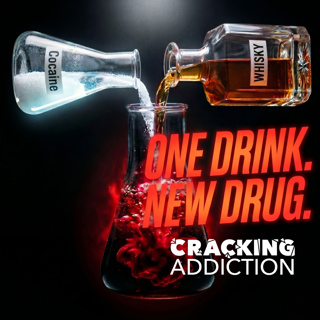
Cracking Addiction21 Helmi 2024

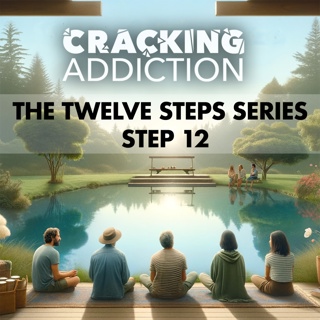
The Final Step: Understanding the Impact of the Twelfth Step in Recovery Programs

Dr. Ferghal Armstrong and Dr. Laura Petracek delve deep into the 12th step of the twelve-step program, exploring the impact of spirituality, the importance of service to others, growth, and relapse prevention. In this episode, the discussion revolves around the psychological, emotional, and practical aspects of the final step, offering valuable insights for both individuals struggling with addiction and those supporting them on their recovery journey.

Focus Keyword: Twelve-Step Program


This episode provides a comprehensive exploration of the 12th step of the twelve-step program, shedding light on its significance and practical implications in aiding recovery from addiction. The insights shared by Dr. Ferghal Armstrong and Dr. Laura Petracek provide a holistic understanding of the program's spiritual elements, the role of service in recovery, addressing relapse, and the importance of personal growth.


Learning Outcomes:


1. Importance of Service: Dr. Ferghal and Dr. Laura articulate the pivotal role of service to others in the recovery journey. By engaging in service and helping fellow strugglers, individuals not only offer support but also find purpose and a sense of fulfilment.


2. Relapse Management: The discussion candidly addresses the possibility of relapse in the recovery journey and highlights practical approaches to deal with setbacks. Understanding that relapse is a part of the journey, the episode provides valuable insights on how to navigate relapse with compassion and practical support.


3. Spiritual Awakening: Delving into the spiritual aspect, the episode explores the concept of spiritual awakening as a result of the twelve steps and its role in fostering personal growth and contributing to the journey towards recovery.


4. Medication in Recovery: Dr. Laura confronts the topic of medication in recovery, advocating for a deeper understanding and acceptance of its role in aiding sobriety. By destigmatizing medication as part of the recovery journey, individuals struggling with addiction can access comprehensive support.


Actionable Takeaways:


1. Embracing Service: Incorporate acts of service into your recovery journey, whether through supporting fellow strugglers or contributing to the wider community. Engaging in service can offer a sense of purpose and fulfillment, aiding in personal growth.


2. Relapse Preparedness: Acknowledge the possibility of relapse and create a support network to address setbacks with compassion and understanding. By approaching relapse preparedness proactively, individuals can navigate challenging moments on their recovery journey.


3. Spiritual Reflection: Reflect on the concept of spiritual awakening as a result of the twelve steps and its potential impact on personal growth. Exploring spirituality can offer a deeper understanding of oneself and the journey towards recovery.


4. Destigmatizing Medication: Engage in open conversations about the role of medication in recovery. By destigmatizing the use of medication as part of the recovery journey, individuals can access comprehensive support tailored to their needs.


Quote:


"It's always darkest before the dawn. There's hope, and there will be another day. Hang in there." - Dr. Laura Petracek


Hashtags:


#RecoveryJourney #TwelveStepProgram #ServiceToOthers #RelapsePrevention #SpiritualAwakening #MedicationInRecovery #MentalWellness #AddictionSupport #PersonalGrowth #CrackingAddiction

Tämä jakso on lisätty Podme-palveluun avoimen RSS-syötteen kautta eikä se ole Podmen omaa tuotantoa. Siksi jakso saattaa sisältää mainontaa.

Jaksot(246)

Meth Withdrawal — Why It Takes 6 Months to Feel Normal Again

Meth Withdrawal — Why It Takes 6 Months to Feel Normal Again

Why does meth withdrawal take 6 months when alcohol withdrawal takes days?It's all about dopamine depletion and neuroplasticity 🧠Dr. Ferghal breaks down:• The 3-phase withdrawal timeline• What happen...

27 Touko 6min
Childhood Obesity: Why 30% of Kids We Help Have Food Trauma Issues

Childhood Obesity: Why 30% of Kids We Help Have Food Trauma Issues

30% of kids with excess weight that we help have trauma-based eating patterns. That's not willpower failure — that's biology. When children experience domestic violence, financial stress, or emotional...

20 Touko 16min
Binge Drinking: The Hidden Truth About Weekend Warriors

Binge Drinking: The Hidden Truth About Weekend Warriors

MYTH: You need to hit 'rock bottom' to recover from addiction. But here's what addiction specialist Dr. Ferghal Armstrong's guest Tom reveals: his worst moment wasn't losing everything – it was waking...

13 Touko 21min

Attachment Issues Cause Addiction - 4 Types That Lead to Drugs

Attachment Issues Cause Addiction - 4 Types That Lead to Drugs

Think trauma only happens from big events like car crashes? Wrong. Dr. Ferghal here with a myth-bust that'll change how you see childhood forever.The biggest trauma isn't what you think — it's relatio...

6 Touko 24min

Benzodiazepine Withdrawal Waves Explained | Ashton Protocol

Benzodiazepine Withdrawal Waves Explained | Ashton Protocol

Most people are told that benzodiazepine withdrawal should improve in a straight line. That myth keeps many people trapped in shame, fear, and confusion when symptoms come back in waves. But brain rec...

23 Huhti 7min

Quit Smoking: 30% Better Recovery from Drug Addiction

Quit Smoking: 30% Better Recovery from Drug Addiction

Dopamine pathways and addiction recovery: Why smoking during addiction treatment reduces your chances of lasting sobriety by 30%🚬 THE MYTH WE'VE ALL BELIEVEDFor decades, addiction treatment centres h...

15 Huhti 3min

3 Evidence-Based Recovery Models That Actually Work

3 Evidence-Based Recovery Models That Actually Work

Recovery paths aren't one-size-fits-all. Dr. Fergal Armstrong explains why neuroplasticity supports multiple evidence-based approaches to addiction recovery.**THE MYTH: One "Right" Way to Recover**Soc...

8 Huhti 7min

The Neuroscience of Cravings and Brain Recovery

The Neuroscience of Cravings and Brain Recovery

Addiction neuroscience explains why cravings feel urgent, physical, and overpowering—and why that does not mean recovery is impossible.Many people still believe cravings happen because of weak willpow...

3 Huhti 5min

Suosittua kategoriassa Terveys ja hyvinvointi

unicast
psykopodiaa-podcast
vakeva-elama-viisaampi-mieli-vahvempi-keho
tiedenaiset-podcast
rss-pitaisko-erota
voi-hyvin-meditaatiot-2
puhu-muru
rss-kuumilla-aalloilla
katilon-kahvitunti
rss-uplevel-by-sonja-hannus
rss-narsisti
meditaatiot-suomeksi
traumapodi
rss-pt-paahtio
rss-nautinto
rss-terapiaklubi
junnut-pelissa
fitnessvastaanotto
rss-palaudu-synnytyksesta-podcast
rss-hereilla