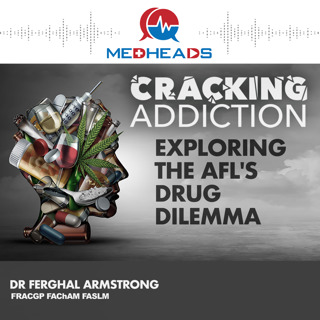
Exploring the AFL's Drug Dilemma: Care Plans versus Punishments in Professional Sports
Cracking Addiction10 Huhti 2024

Exploring the AFL's Drug Dilemma: Care Plans versus Punishments in Professional Sports

Listen to this insightful episode of Cracking Addiction and unravel the complexities of substance use within the realm of professional sports, particularly the AFL.

We delve into the controversial handling of illicit drug use among players, balancing the tightrope between medical treatment and role-model expectations. This discussion is crucial for anyone looking to understand the multifaceted approach to addiction and substance use in high-pressure environments.

Join Dr. Ferghal Armstrong and guest journalist Max Laughton as they dissect the layers of policy, public perception, and personal care in the context of the AFL's recent drug use dilemma.


The focus of this episode lies in the intricate policy and personal care considerations surrounding illicit drug use among AFL players. Max helps us unfold the doctor-patient confidentiality within clubs, the allegation of deception through manufactured injuries, and the tension between medical care and punitive actions.


The conversation pivots to societal expectations of athletes as role models, the ethical conundra posed by possible performance enhancement, and the broader implications of substance use policies in sports. This episode offers a perspective shift urging compassion and understanding, instead of condemnation, in substance use management.


Learning Outcome 1:


Understanding the distinction between social substance use, addiction, and the role sports pressures play in substance use amongst AFL players. It is highlighted that not all substance use signals addiction and the pressures unique to AFL players can amplify the risks. Recognition of this nuance is crucial in addressing and managing substance use in professional sports. Ferghal articulates the importance of distinguishing occasional use from dependency and considering the broader psychosocial factors contributing to each player's situation.


Actionable Takeaway 1:


Encourage open dialogue about the psychosocial pressures associated with professional sports that could lead to substance use. Sports organizations can focus on preventive measures by fostering environments supportive of mental health and resilience training. It's essential to create an open forum for athletes to discuss their challenges without fear of punitive repercussions, cultivating a team culture that prioritizes well-being and support over punishment.


Learning Outcome 2:


The dilemma faced by AFL in balancing the medical model of substance use treatment with the expectation of punishment for 'misbehaviour'. AFL players caught using illicit substances aren't just athletes; they are individuals with complex personal circumstances and health needs. By exploring this sensitive terrain, listeners gain insight into the complexities of sports administration, ethical considerations, and the well-being of the players. Ferghal emphasizes the importance of treating substance use as a health issue rather than a criminal or purely disciplinary matter.


Actionable Takeaway 2:


Evaluate and potentially implement medical models of care for substance use amongst athletes in all sports sectors. By focusing on treatment rather than punishment, sports organizations can maintain the dignity of the player while addressing the health issue more effectively. Listeners involved in sports administration might consider advocating for or revising existing policies to integrate health-centric approaches to substance use.


**Quote or Insight:**


"AFL players caught using illicit substances aren't just athletes; they are individuals with complex personal circumstances and health needs." -

Dr. Ferghal Armstrong.

Tämä jakso on lisätty Podme-palveluun avoimen RSS-syötteen kautta eikä se ole Podmen omaa tuotantoa. Siksi jakso saattaa sisältää mainontaa.

Jaksot(246)

Meth Withdrawal — Why It Takes 6 Months to Feel Normal Again

Meth Withdrawal — Why It Takes 6 Months to Feel Normal Again

Why does meth withdrawal take 6 months when alcohol withdrawal takes days?It's all about dopamine depletion and neuroplasticity 🧠Dr. Ferghal breaks down:• The 3-phase withdrawal timeline• What happen...

27 Touko 6min
Childhood Obesity: Why 30% of Kids We Help Have Food Trauma Issues

Childhood Obesity: Why 30% of Kids We Help Have Food Trauma Issues

30% of kids with excess weight that we help have trauma-based eating patterns. That's not willpower failure — that's biology. When children experience domestic violence, financial stress, or emotional...

20 Touko 16min
Binge Drinking: The Hidden Truth About Weekend Warriors

Binge Drinking: The Hidden Truth About Weekend Warriors

MYTH: You need to hit 'rock bottom' to recover from addiction. But here's what addiction specialist Dr. Ferghal Armstrong's guest Tom reveals: his worst moment wasn't losing everything – it was waking...

13 Touko 21min

Attachment Issues Cause Addiction - 4 Types That Lead to Drugs

Attachment Issues Cause Addiction - 4 Types That Lead to Drugs

Think trauma only happens from big events like car crashes? Wrong. Dr. Ferghal here with a myth-bust that'll change how you see childhood forever.The biggest trauma isn't what you think — it's relatio...

6 Touko 24min

Benzodiazepine Withdrawal Waves Explained | Ashton Protocol

Benzodiazepine Withdrawal Waves Explained | Ashton Protocol

Most people are told that benzodiazepine withdrawal should improve in a straight line. That myth keeps many people trapped in shame, fear, and confusion when symptoms come back in waves. But brain rec...

23 Huhti 7min

Quit Smoking: 30% Better Recovery from Drug Addiction

Quit Smoking: 30% Better Recovery from Drug Addiction

Dopamine pathways and addiction recovery: Why smoking during addiction treatment reduces your chances of lasting sobriety by 30%🚬 THE MYTH WE'VE ALL BELIEVEDFor decades, addiction treatment centres h...

15 Huhti 3min

3 Evidence-Based Recovery Models That Actually Work

3 Evidence-Based Recovery Models That Actually Work

Recovery paths aren't one-size-fits-all. Dr. Fergal Armstrong explains why neuroplasticity supports multiple evidence-based approaches to addiction recovery.**THE MYTH: One "Right" Way to Recover**Soc...

8 Huhti 7min

The Neuroscience of Cravings and Brain Recovery

The Neuroscience of Cravings and Brain Recovery

Addiction neuroscience explains why cravings feel urgent, physical, and overpowering—and why that does not mean recovery is impossible.Many people still believe cravings happen because of weak willpow...

3 Huhti 5min

Suosittua kategoriassa Terveys ja hyvinvointi

unicast
psykopodiaa-podcast
vakeva-elama-viisaampi-mieli-vahvempi-keho
tiedenaiset-podcast
rss-pitaisko-erota
voi-hyvin-meditaatiot-2
puhu-muru
rss-kuumilla-aalloilla
katilon-kahvitunti
rss-uplevel-by-sonja-hannus
rss-narsisti
meditaatiot-suomeksi
traumapodi
rss-pt-paahtio
rss-nautinto
rss-terapiaklubi
junnut-pelissa
fitnessvastaanotto
rss-palaudu-synnytyksesta-podcast
rss-hereilla