From Blackouts to Breakthroughs: An Insider's Story of Recovery and Hope
Cracking Addiction12 Kesä 2024

From Blackouts to Breakthroughs: An Insider's Story of Recovery and Hope

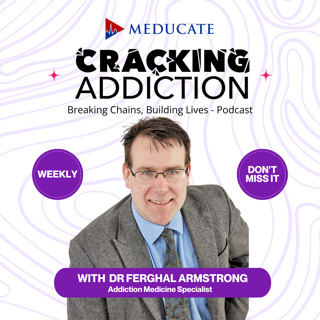
In this compelling episode of Cracking Addiction, Dr Ferghal Armstrong welcomes Jonathan Hunt-Glassman, an individual with lived experience of alcohol misuse and the CEO of Oar Health. Jonathan provides a raw and honest account of his struggles with alcohol, starting from high school right through to his twenties. His journey involved excessive binge drinking, blackouts, and multi-day benders, ultimately leading to the physical and mental health repercussions associated with alcohol addiction.

**Key Points Covered:**

1. **Understanding the Root Causes**:


- Jonathan delves into the social anxiety that drove his alcohol misuse. As Dr Ferghal notes, understanding the underlying pain is crucial.


2. **The Impact of Social Media and COVID-19**:


- The episode discusses how the increase in digital communication and social isolation could contribute to future spikes in alcohol use disorders.


3. **The Importance of Support Systems**:


- Jonathan highlights how a supportive healthcare practitioner, empathic friends, and a loving partner were instrumental in his recovery.


4. **Tools for Recovery**:


- Jonathan shares the multifaceted toolkit that helped him, including goal-setting, medication, therapy, and lifestyle changes.


**Learning Outcomes:**


1. **Identifying Root Causes**:


- By listening to Jonathan's experiences, you will learn how social anxiety and feelings of insecurity can lead to problematic drinking. Understanding these root causes can help in seeking appropriate therapies to address them.


2. **The Role of Support Systems**:


- This episode underscores the importance of having a reliable support system. Friends and family play a critical role in recovery, providing non-judgmental, loving support that can significantly impact an individual's journey towards sobriety.


3. **Utilising Healthcare Professionals**:


- The value of a compassionate healthcare provider cannot be overstated. As Jonathan explains, a simple phrase like "We can work with that" can break down barriers of fear and shame, making the initial steps to recovery much more manageable.


4. **Building a Toolkit for Recovery**:


- Jonathan discusses the various tools that worked for him, including medication, therapy, and personal strategies like avoiding drinking on an empty stomach. Assembling a similar toolkit can provide a structured and effective approach to managing alcohol use disorder.


**Actionable Takeaways:**


1. **Address Social Anxiety**:


- Seek professional help to address any underlying social anxiety or insecurity. Therapies such as Cognitive Behavioural Therapy (CBT) can be incredibly effective in mitigating these triggers.


2. **Establish Clear Goals**:


- Set clear, achievable goals for your alcohol consumption. For Jonathan, a key goal was never to blackout again; similar concrete objectives can provide direction and motivation.


3. **Engage with Health Practitioners**:


- Don’t hesitate to consult with healthcare professionals. A supportive and understanding medical practitioner can offer crucial guidance and prescribe helpful medications if necessary.


4. **Rely on a Support Network**:


- Lean on your friends and family. Their support can provide emotional resilience and practical help, such as non-judgemental feedback or participating in healthier, sober activities.


**Quote:**


"We can work with that."


This phrase, used by Jonathan's healthcare provider, signifies the power of empathy, understanding, and collaboration in the recovery journey.

Tämä jakso on lisätty Podme-palveluun avoimen RSS-syötteen kautta eikä se ole Podmen omaa tuotantoa. Siksi jakso saattaa sisältää mainontaa.

Jaksot(246)

Meth Withdrawal — Why It Takes 6 Months to Feel Normal Again

Meth Withdrawal — Why It Takes 6 Months to Feel Normal Again

Why does meth withdrawal take 6 months when alcohol withdrawal takes days?It's all about dopamine depletion and neuroplasticity 🧠Dr. Ferghal breaks down:• The 3-phase withdrawal timeline• What happen...

27 Touko 6min
Childhood Obesity: Why 30% of Kids We Help Have Food Trauma Issues

Childhood Obesity: Why 30% of Kids We Help Have Food Trauma Issues

30% of kids with excess weight that we help have trauma-based eating patterns. That's not willpower failure — that's biology. When children experience domestic violence, financial stress, or emotional...

20 Touko 16min
Binge Drinking: The Hidden Truth About Weekend Warriors

Binge Drinking: The Hidden Truth About Weekend Warriors

MYTH: You need to hit 'rock bottom' to recover from addiction. But here's what addiction specialist Dr. Ferghal Armstrong's guest Tom reveals: his worst moment wasn't losing everything – it was waking...

13 Touko 21min
Attachment Issues Cause Addiction - 4 Types That Lead to Drugs

Attachment Issues Cause Addiction - 4 Types That Lead to Drugs

Think trauma only happens from big events like car crashes? Wrong. Dr. Ferghal here with a myth-bust that'll change how you see childhood forever.The biggest trauma isn't what you think — it's relatio...

6 Touko 24min

Benzodiazepine Withdrawal Waves Explained | Ashton Protocol

Benzodiazepine Withdrawal Waves Explained | Ashton Protocol

Most people are told that benzodiazepine withdrawal should improve in a straight line. That myth keeps many people trapped in shame, fear, and confusion when symptoms come back in waves. But brain rec...

23 Huhti 7min

Quit Smoking: 30% Better Recovery from Drug Addiction

Quit Smoking: 30% Better Recovery from Drug Addiction

Dopamine pathways and addiction recovery: Why smoking during addiction treatment reduces your chances of lasting sobriety by 30%🚬 THE MYTH WE'VE ALL BELIEVEDFor decades, addiction treatment centres h...

15 Huhti 3min

3 Evidence-Based Recovery Models That Actually Work

3 Evidence-Based Recovery Models That Actually Work

Recovery paths aren't one-size-fits-all. Dr. Fergal Armstrong explains why neuroplasticity supports multiple evidence-based approaches to addiction recovery.**THE MYTH: One "Right" Way to Recover**Soc...

8 Huhti 7min

The Neuroscience of Cravings and Brain Recovery

The Neuroscience of Cravings and Brain Recovery

Addiction neuroscience explains why cravings feel urgent, physical, and overpowering—and why that does not mean recovery is impossible.Many people still believe cravings happen because of weak willpow...

3 Huhti 5min

Suosittua kategoriassa Terveys ja hyvinvointi

unicast
psykopodiaa-podcast
vakeva-elama-viisaampi-mieli-vahvempi-keho
tiedenaiset-podcast
rss-pitaisko-erota
voi-hyvin-meditaatiot-2
puhu-muru
rss-kuumilla-aalloilla
katilon-kahvitunti
rss-uplevel-by-sonja-hannus
rss-narsisti
meditaatiot-suomeksi
traumapodi
rss-pt-paahtio
rss-nautinto
rss-terapiaklubi
junnut-pelissa
fitnessvastaanotto
rss-palaudu-synnytyksesta-podcast
rss-hereilla