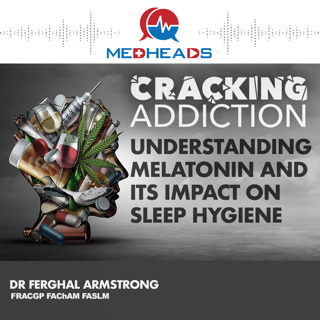
Understanding Melatonin and Its Impact on Sleep Hygiene

Understanding Melatonin and Its Impact on Sleep Hygiene

Dr Ferghal Armstrong and Dr Richard Bradlow explore the significance of melatonin in sleep. Melatonin, a neurotransmitter produced by the pineal gland, plays a crucial role in helping you fall asleep. The discussion touches on various aspects of melatonin including its production, function, and how it can be optimised for better sleep. Ferghal and Richard also dive into the intricacies of sleep hygiene, shedding light on actionable steps that anyone can take to enhance their sleep quality.

Learning outcomes from this episode include understanding the pineal gland's role in melatonin production and the significance of melatonin in the sleep-wake cycle. Richard explains that melatonin is not just any neurotransmitter but a pivotal player in beginning the sleep process. You'll learn why blue light suppresses melatonin production and why it’s crucial to limit your exposure to screens before bedtime. You'll also discover why the body's natural rhythms dictate that sleep hygiene actually starts in the morning, highlighting the importance of light exposure and physical activity.


Key points raised include the ineffectiveness of exogenous melatonin in improving sleep quality, often proving to be more of a placebo than a reliable solution. Ferghal and Richard discuss the importance of natural light exposure, particularly in the morning, to help suppress melatonin and kickstart the day. They also touch on the benefits of morning exercise and even cold showers to optimise wakefulness.


### Learning Outcomes


1. **Understanding Pineal Gland and Melatonin:**


The pineal gland’s role in melatonin production is essential for sleep. Melatonin, a neurotransmitter, is key in initiating sleep but does not keep you asleep. Richard elaborates that melatonin production is sensitive to light exposure, particularly blue light, which can suppress its release, making it harder to fall asleep. Therefore, taking steps to manage light exposure, especially in the evening, can significantly impact your ability to sleep.


2. **Ineffectiveness of Exogenous Melatonin:**


Exogenous melatonin does not significantly improve sleep; often, it is no more effective than a placebo. Ferghal highlights the variability in melatonin products, especially those purchased online, and questions their reliability. This revelation underscores the importance of turning to prescribed melatonin when necessary for accurate dosing. The discussion serves as a cautionary tale about the limited benefits and potential risks of self-medicating with melatonin.


3. **Role of Natural Light Exposure:**


Light exposure, particularly in the morning, is crucial in maintaining your body's circadian rhythm. Ferghal stresses the importance of getting outside and absorbing natural light to suppress melatonin and signal your body that it's time to wake up. Even on cloudy days, the light outdoors significantly surpasses indoor lighting in intensity. This practice can prepare your body for a more restful night by maintaining a healthy sleep-wake cycle.


4. **Importance of Physical Exercise:**


Engaging in physical activity is another vital component of sleep hygiene. Richard explains that exercise, especially when done in the morning, not only benefits your overall health but also helps maintain a healthy sleep-wake cycle. While some traditionally advise against exercising close to bedtime, studies show it does not necessarily affect sleep quality. Including exercise in your daily routine, even late in the day, can support better sleep habits.


### Actionable Takeaways


1. **Managing Light Exposure:**


Begin your sleep hygiene routine in the morning by exposing yourself to natural light. Avoid screens with blue light at least one to two hours before bedtime to prevent melatonin...

Tämä jakso on lisätty Podme-palveluun avoimen RSS-syötteen kautta eikä se ole Podmen omaa tuotantoa. Siksi jakso saattaa sisältää mainontaa.

Jaksot(246)

Meth Withdrawal — Why It Takes 6 Months to Feel Normal Again

Meth Withdrawal — Why It Takes 6 Months to Feel Normal Again

Why does meth withdrawal take 6 months when alcohol withdrawal takes days?It's all about dopamine depletion and neuroplasticity 🧠Dr. Ferghal breaks down:• The 3-phase withdrawal timeline• What happen...

27 Touko 6min

Childhood Obesity: Why 30% of Kids We Help Have Food Trauma Issues

Childhood Obesity: Why 30% of Kids We Help Have Food Trauma Issues

30% of kids with excess weight that we help have trauma-based eating patterns. That's not willpower failure — that's biology. When children experience domestic violence, financial stress, or emotional...

20 Touko 16min

Binge Drinking: The Hidden Truth About Weekend Warriors

Binge Drinking: The Hidden Truth About Weekend Warriors

MYTH: You need to hit 'rock bottom' to recover from addiction. But here's what addiction specialist Dr. Ferghal Armstrong's guest Tom reveals: his worst moment wasn't losing everything – it was waking...

13 Touko 21min

Attachment Issues Cause Addiction - 4 Types That Lead to Drugs

Attachment Issues Cause Addiction - 4 Types That Lead to Drugs

Think trauma only happens from big events like car crashes? Wrong. Dr. Ferghal here with a myth-bust that'll change how you see childhood forever.The biggest trauma isn't what you think — it's relatio...

6 Touko 24min

Benzodiazepine Withdrawal Waves Explained | Ashton Protocol

Benzodiazepine Withdrawal Waves Explained | Ashton Protocol

Most people are told that benzodiazepine withdrawal should improve in a straight line. That myth keeps many people trapped in shame, fear, and confusion when symptoms come back in waves. But brain rec...

23 Huhti 7min

Quit Smoking: 30% Better Recovery from Drug Addiction

Quit Smoking: 30% Better Recovery from Drug Addiction

Dopamine pathways and addiction recovery: Why smoking during addiction treatment reduces your chances of lasting sobriety by 30%🚬 THE MYTH WE'VE ALL BELIEVEDFor decades, addiction treatment centres h...

15 Huhti 3min

3 Evidence-Based Recovery Models That Actually Work

3 Evidence-Based Recovery Models That Actually Work

Recovery paths aren't one-size-fits-all. Dr. Fergal Armstrong explains why neuroplasticity supports multiple evidence-based approaches to addiction recovery.**THE MYTH: One "Right" Way to Recover**Soc...

8 Huhti 7min

The Neuroscience of Cravings and Brain Recovery

The Neuroscience of Cravings and Brain Recovery

Addiction neuroscience explains why cravings feel urgent, physical, and overpowering—and why that does not mean recovery is impossible.Many people still believe cravings happen because of weak willpow...

3 Huhti 5min

Suosittua kategoriassa Terveys ja hyvinvointi

unicast
psykopodiaa-podcast
vakeva-elama-viisaampi-mieli-vahvempi-keho
tiedenaiset-podcast
rss-pitaisko-erota
voi-hyvin-meditaatiot-2
puhu-muru
rss-kuumilla-aalloilla
katilon-kahvitunti
rss-uplevel-by-sonja-hannus
rss-narsisti
meditaatiot-suomeksi
traumapodi
rss-pt-paahtio
rss-nautinto
rss-terapiaklubi
junnut-pelissa
fitnessvastaanotto
rss-palaudu-synnytyksesta-podcast
rss-hereilla