
Opioid MIniseries Part IV: Harm Reduction

Opioid MIniseries Part IV: Harm Reduction

PRACTICE RECOMMENDATIONS

1. Patients who abuse opioids should be managed without judgement; addiction is a medical condition and not a moral failing. Caregivers should endeavor to meet patients "where they are," infusing empathy and understanding into the patient/medical provider relationship.

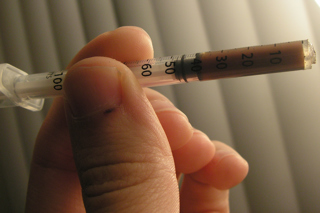
2. Every emergency clinician should be well-versed in the safe injection of heroin and other intravenous (IV) drugs, and understand the practical steps for minimizing the dangers of overdose, infection, and other complications. When treating patients with complications of IV drug use, injection habits should be discussed and instruction should be given about safe practices.

3. Emergency department patients who inject drugs should be referred to local syringe access programs, where they can obtain sterile injection materials and support services such as counseling, HIV/hepatitis testing, and referrals.

4. Emergency departments should provide naloxone to high-risk patients at discharge. If the drug is unavailable at the time of release, patients should receive a prescription and be informed about the over-the-counter availability of the drug in most Colorado pharmacies.

5. Emergency clinicians should be familiar with Colorado's regulations pertaining to naloxone. State laws eliminate liability risk for prescribing the drug, encourage good samaritan reporting of overdose, and make naloxone legal and readily available over the counter in most pharmacies.

6. Emergency department patients who receive prescriptions for opioids should be educated on their risks, safe storage methods, and the proper disposal of leftover medications.

POLICY RECOMMENDATIONS

1. Harm reduction agencies and community programs that provide resources for people who inject drugs (PWID) should be made readily available.

2. When local programs are unavailable for PWID, emergency departments should establish their own programs to provide services such as safe syringe exchanges.

Jaksot(1145)

Episode 905: Oseltamivir (Tamiflu) for Influenza

Episode 905: Oseltamivir (Tamiflu) for Influenza

Contributor: Aaron Lessem MD Educational Pearls:  Oseltamivir (Tamiflu) is an antiviral medication used commonly to treat influenza Trials show that the medication reduces the duration of illness ...

27 Touko 20242min

Episode 904: Cardiovascular Risks of Epinephrine

Episode 904: Cardiovascular Risks of Epinephrine

Contributor: Aaron Lessen MD Educational Pearls: Epinephrine is essential in the treatment of anaphylaxis, but is epinephrine dangerous from a cardiovascular perspective? A 2024 study in the Journal o...

20 Touko 20242min

Episode 903: Treating Precipitated Opioid Withdrawal

Episode 903: Treating Precipitated Opioid Withdrawal

Contributor: Aaron Lessen MD Educational Pearls: Opioid overdoses that are reversed with naloxone (Narcan), a mu-opioid antagonist, can precipitate acute withdrawal in some patients Treatment of o...

13 Touko 20242min

Episode 902: Liver Failure and Cirrhosis

Episode 902: Liver Failure and Cirrhosis

Contributor: Travis Barlock MD Educational Pearls: How do you differentiate between compensated and decompensated cirrhosis? Use the acronym VIBE to look for signs of being decompensated. V-Volume ...

6 Touko 20243min

Episode 901: Underdosing in Status Epilepticus

Episode 901: Underdosing in Status Epilepticus

Contributor: Aaron Lessen MD Educational Pearls: Lorazepam (Ativan) is dosed at 0.1 mg/kg up to a maximum of 4 mg in status epilepticus Some ED protocols only give 2 mg initially The maximum r...

29 Huhti 20242min

Episode 900: Ketamine Dosing

Episode 900: Ketamine Dosing

Contributor: Travis Barlock MD Educational Pearls: Ketamine is an NMDA receptor antagonist with a wide variety of uses in the emergency department. To dose ketamine remember the numbers 0.3, 1, and 3....

22 Huhti 20242min

Episode 899: Thrombolytic Contraindications

Episode 899: Thrombolytic Contraindications

Contributor: Travis Barlock MD Educational Pearls: Thrombolytic therapy (tPA or TNK) is often used in the ED for strokes Use of anticoagulants with INR > 1.7 or  PT >15 Warfarin will reliably i...

15 Huhti 20243min

Episode 898: Takotsubo Cardiomyopathy

Episode 898: Takotsubo Cardiomyopathy

Contributor: Ricky Dhaliwal, MD Educational Pearls: Takotsubo cardiomyopathy, also known as "broken heart syndrome," is a temporary heart condition that can mimic the symptoms of a heart attack, inc...

10 Huhti 20243min

Suosittua kategoriassa Tiede

tiedekulma-podcast
rss-mita-tulisi-tietaa
rss-poliisin-mieli
docemilia
rss-duodecim-lehti
utelias-mieli
radio-antro
filocast-filosofian-perusteet
rss-laakaripodi
rss-sosiopodi
ihanat-ipanat
sotataidon-ytimessa
mielipaivakirja
rss-bios-podcast
rss-radplus
rss-opeklubi
rss-lihavuudesta-podcast