
Opioid MIniseries Part IV: Harm Reduction

Opioid MIniseries Part IV: Harm Reduction

PRACTICE RECOMMENDATIONS

1. Patients who abuse opioids should be managed without judgement; addiction is a medical condition and not a moral failing. Caregivers should endeavor to meet patients "where they are," infusing empathy and understanding into the patient/medical provider relationship.

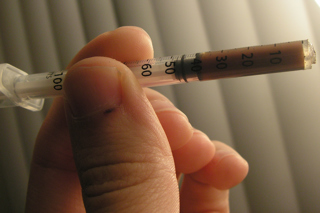
2. Every emergency clinician should be well-versed in the safe injection of heroin and other intravenous (IV) drugs, and understand the practical steps for minimizing the dangers of overdose, infection, and other complications. When treating patients with complications of IV drug use, injection habits should be discussed and instruction should be given about safe practices.

3. Emergency department patients who inject drugs should be referred to local syringe access programs, where they can obtain sterile injection materials and support services such as counseling, HIV/hepatitis testing, and referrals.

4. Emergency departments should provide naloxone to high-risk patients at discharge. If the drug is unavailable at the time of release, patients should receive a prescription and be informed about the over-the-counter availability of the drug in most Colorado pharmacies.

5. Emergency clinicians should be familiar with Colorado's regulations pertaining to naloxone. State laws eliminate liability risk for prescribing the drug, encourage good samaritan reporting of overdose, and make naloxone legal and readily available over the counter in most pharmacies.

6. Emergency department patients who receive prescriptions for opioids should be educated on their risks, safe storage methods, and the proper disposal of leftover medications.

POLICY RECOMMENDATIONS

1. Harm reduction agencies and community programs that provide resources for people who inject drugs (PWID) should be made readily available.

2. When local programs are unavailable for PWID, emergency departments should establish their own programs to provide services such as safe syringe exchanges.

Jaksot(1145)

Episode 897: Adrenal Crisis

Episode 897: Adrenal Crisis

Contributor: Ricky Dhaliwal MD Educational Pearls: Primary adrenal insufficiency (most common risk factor for adrenal crises) An autoimmune condition commonly known as Addison's Disease Defects...

1 Huhti 20244min

Podcast 896: Cancer-Related Emergencies

Podcast 896: Cancer-Related Emergencies

Contributor: Travis Barlock, MD Educational Pearls: Cancer-related emergencies can be sorted into a few buckets: Infection Cancer itself and the treatments (chemotherapy/radiation) can be immunos...

25 Maalis 20242min

Episode 895: Indications for Exogenous Albumin

Episode 895: Indications for Exogenous Albumin

Contributor: Travis Barlock MD Educational Pearls: There are three indications for IV albumin in the ED Spontaneous bacterial peritonitis (SBP) Patients with SBP develop renal failure from volu...

18 Maalis 20242min

Episode 894: DKA and HHS

Episode 894: DKA and HHS

Contributor: Ricky Dhaliwal, MD Educational Pearls: What are DKA and HHS? DKA (Diabetic Ketoacidosis) and HHS (Hyperosmolar Hyperglycemic State) are both acute hyperglycemic states. DKA More com...

11 Maalis 20247min

Episode 893: Home Treatments for Button Battery Ingestion

Episode 893: Home Treatments for Button Battery Ingestion

Contributor: Aaron Lessen MD Educational Pearls: Button batteries cause alkaline corrosion and erosion of the esophagus when swallowed Children swallow button batteries, which create a medical eme...

4 Maalis 20242min

Episode 892: Tourniquets

Episode 892: Tourniquets

Contributor: Ricky Dhaliwal, MD Educational Pearls: What can you do to control bleeding in a penetrating wound? Apply direct pinpoint pressure on the wound as well as proximal to the wound. Build ...

27 Helmi 20245min
Pharmacy Phriday #11: Riddles, Medical Jargon, NNT, and Time Travel

Pharmacy Phriday #11: Riddles, Medical Jargon, NNT, and Time Travel

Contributors: Kali Olson PharmD, Travis Barlock MD, Jeffrey Olson MS2 Summary: In this episode of Pharmacy Phriday, Dr. Kali Olson joins Dr. Travis Barlock and Jeffrey Olson in studio to discuss a var...

23 Helmi 202443min

Episode 891: Hypothermia

Episode 891: Hypothermia

Contributor: Taylor Lynch MD Educational Pearls Hypothermia is defined as a core body temperature less than 35 degrees Celsius or less than 95 degrees Fahrenheit  Mild Hypothermia: 32-35 degrees C...

19 Helmi 20244min

Suosittua kategoriassa Tiede

tiedekulma-podcast
rss-mita-tulisi-tietaa
rss-poliisin-mieli
docemilia
rss-duodecim-lehti
utelias-mieli
radio-antro
filocast-filosofian-perusteet
rss-laakaripodi
rss-sosiopodi
ihanat-ipanat
sotataidon-ytimessa
mielipaivakirja
rss-bios-podcast
rss-radplus
rss-opeklubi
rss-lihavuudesta-podcast