

Podcast 553: Airway Management in the Hypoxic COVID-19 Patient (Recorded 4/3/20)

Podcast 553: Airway Management in the Hypoxic COVID-19 Patient (Recorded 4/3/20)

Contributor: Dylan Luyten, MD

Educational pearls:

  • Clinical management of COVID-19 is rapidly evolving, relying on case reports and clinical experience
  • In just a month, the consensus around management of COVID patients with severe hypoxia has shifted from an early intubation strategy to other, non-invasive means
  • Intubating early can quickly consume ventilator resources, require increased intensive care monitoring, and likely leads to longer hospital stays and once COVID patients are intubated, extubation can take days to weeks.
  • In Italy, ventilator supplies were depleted leading to the use of helmet CPAP machines, which appeared to be effective in management of respiratory distress in COVID, though not available for use in the US
  • Non-invasive ventilation such as CPAP/BiPAP is thought to increase risk to staff for infection via aerosolization, and has often been avoided in COVID patients
  • High flow nasal cannulas appear to pose less of a risk of aerosolization of viral particles (especially when a surgical mask is placed over the patient's nose, mouth and apparatus)
  • Anecdotal evidence from NYC has shown success allowing conscious patients to maintain hypoxia on HFN, where they will self prone to help with lung recruitment, and seemingly do well despite persistent saturations in the 80s or less
  • Hospitals around the country are moving away from the intubate early methodology in favor of high flow oxygen therapy as long as they are not having issues with work of breathing or other complications
  • The pathophysiology of respiratory distress and hypoxia in COVID patients is evolving as well, and some presentations appear similar to disease processes such as high altitude pulmonary edema (HAPE) rather than acute respiratory distress syndrome (ARDS), in that patients are quite well appearing despite phenomenally low oximetry readings.
    • These select patients appear to be excellent candidates for non-invasive means rather than an early intubation strategy

Editor's note: do not take lightly that intubation is one of the highest risk aerosolization generating procedures, along with many peri-intubation procedures like suctioning, BVM, etc.

References

[1]. Sorbello, M. et al. The Italian coronavirus disease 2019 outbreak: recommendations from clinical practice. Anaesthesia. 2020 Mar 27.

[2]. Giwa, AL. Desai A. Duca A. Novel 2019 coronavirus SARS-CoV-2 (COVID-19): An updated overview for emergency clinicians. Emerg Med Pract. 2020 May 1;22(5):1-28.

[3]. Ather B, Edemekong PF. Airborne Precautions. [Updated 2020 Feb 17]. In: StatPearls [Internet]. Treasure Island (FL): StatPearls Publishing; 2020 Jan.

Summarized by Jackson Roos, MS3 | Edited by Erik Verzemnieks, MD

Photo Credit: New England Journal of Medicine

https://www.nejm.org/doi/full/10.1056/NEJMc2007589?query=RP

Jaksot(1147)

Podcast 593: TXA for GIB

Podcast 593: TXA for GIB

Contributor: Ricky Dhaliwal, MD, JD Educational Pearls: Tranexamic acid (TXA) as shown to have mortality benefit to patients with traumatic GI hemorrhage but should it be used to achieve hemostasis i...

7 Syys 20202min

Podcast 592:  Rapid Antihypertensives

Podcast 592: Rapid Antihypertensives

Contributor: Ramnik Dhaliwal, MD, JD Educational Pearls: Nitrates Nitroprusside: becomes effective in under a minute, and becomes ineffective 10 minutes after stopping it.  Nitroprusside can meta...

1 Syys 20206min

Podcast 591: Pediatric Documentation Pearls

Podcast 591: Pediatric Documentation Pearls

Emergency Medical Minute collaborated with CarePoint Health in early March for a night of education on Pediatric Emergencies at a local Denver brewery for our latest Brewcast. Pediatric patients requi...

31 Elo 202011min
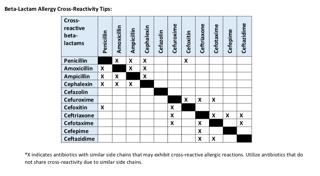
Pharmacy Phriday #2: Penicillin and Cephalosporin Allergies

Pharmacy Phriday #2: Penicillin and Cephalosporin Allergies

The penicillin and cephalosporin drug classes include many first line drug options for infectious disease although high rates of self-reported allergies may cause physicians to seek alternative option...

28 Elo 202014min

Mental Health Monthly #4: Trauma, Loss and Grief in First Responders Heightened by COVID-19

Mental Health Monthly #4: Trauma, Loss and Grief in First Responders Heightened by COVID-19

Trauma and loss are common issues faced by emergency personnel and first responders. These challenges have since been heightened by the COVID-19 pandemic. On this installment of Mental Health Monthly,...

26 Elo 202020min

Podcast 590: Esophageal Food Impactions

Podcast 590: Esophageal Food Impactions

Contributor: Aaron Lessen, MD Educational Pearls: Carbonated beverages have shown efficacy in helping patients spontaneously pass esophageal food impactions Glucagon, while historically used for trea...

25 Elo 20202min
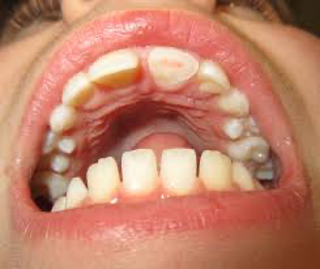
Podcast 589:  Management of Dental Trauma

Podcast 589: Management of Dental Trauma

Contributor: Peter Bakes, MD Educational Pearls: Dental fractures are described by the Ellis classifications, which are based on the involvement of layers of the teeth: Ellis I: involvement of the ...

24 Elo 20206min
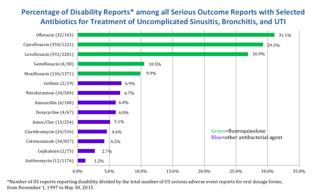
Pharmacy Friday #1: Antibiotic Alternatives to Fluoroquinolones for Infectious Disease

Pharmacy Friday #1: Antibiotic Alternatives to Fluoroquinolones for Infectious Disease

Welcome to EMM's first Pharmacy Friday where we dive deeper on a certain pharmacological topic as it pertains to emergency medicine. Dr. Rachael Duncan, emergency medicine clinical Pharmacist, joins u...

21 Elo 202019min

Suosittua kategoriassa Tiede

rss-poliisin-mieli
rss-mita-tulisi-tietaa
tiedekulma-podcast
docemilia
rss-luontopodi-samuel-glassar-tutkii-luonnon-ihmeita
rss-duodecim-lehti
radio-antro
utelias-mieli
filocast-filosofian-perusteet
rss-lapsuuden-rakentajat-podcast
rss-lihavuudesta-podcast
rss-sosiopodi












