
Podcast 553: Airway Management in the Hypoxic COVID-19 Patient (Recorded 4/3/20)

Podcast 553: Airway Management in the Hypoxic COVID-19 Patient (Recorded 4/3/20)

Contributor: Dylan Luyten, MD

Educational pearls:

  • Clinical management of COVID-19 is rapidly evolving, relying on case reports and clinical experience
  • In just a month, the consensus around management of COVID patients with severe hypoxia has shifted from an early intubation strategy to other, non-invasive means
  • Intubating early can quickly consume ventilator resources, require increased intensive care monitoring, and likely leads to longer hospital stays and once COVID patients are intubated, extubation can take days to weeks.
  • In Italy, ventilator supplies were depleted leading to the use of helmet CPAP machines, which appeared to be effective in management of respiratory distress in COVID, though not available for use in the US
  • Non-invasive ventilation such as CPAP/BiPAP is thought to increase risk to staff for infection via aerosolization, and has often been avoided in COVID patients
  • High flow nasal cannulas appear to pose less of a risk of aerosolization of viral particles (especially when a surgical mask is placed over the patient's nose, mouth and apparatus)
  • Anecdotal evidence from NYC has shown success allowing conscious patients to maintain hypoxia on HFN, where they will self prone to help with lung recruitment, and seemingly do well despite persistent saturations in the 80s or less
  • Hospitals around the country are moving away from the intubate early methodology in favor of high flow oxygen therapy as long as they are not having issues with work of breathing or other complications
  • The pathophysiology of respiratory distress and hypoxia in COVID patients is evolving as well, and some presentations appear similar to disease processes such as high altitude pulmonary edema (HAPE) rather than acute respiratory distress syndrome (ARDS), in that patients are quite well appearing despite phenomenally low oximetry readings.
    • These select patients appear to be excellent candidates for non-invasive means rather than an early intubation strategy

Editor's note: do not take lightly that intubation is one of the highest risk aerosolization generating procedures, along with many peri-intubation procedures like suctioning, BVM, etc.

References

[1]. Sorbello, M. et al. The Italian coronavirus disease 2019 outbreak: recommendations from clinical practice. Anaesthesia. 2020 Mar 27.

[2]. Giwa, AL. Desai A. Duca A. Novel 2019 coronavirus SARS-CoV-2 (COVID-19): An updated overview for emergency clinicians. Emerg Med Pract. 2020 May 1;22(5):1-28.

[3]. Ather B, Edemekong PF. Airborne Precautions. [Updated 2020 Feb 17]. In: StatPearls [Internet]. Treasure Island (FL): StatPearls Publishing; 2020 Jan.

Summarized by Jackson Roos, MS3 | Edited by Erik Verzemnieks, MD

Photo Credit: New England Journal of Medicine

https://www.nejm.org/doi/full/10.1056/NEJMc2007589?query=RP

Jaksot(1147)

Buprenorphine after Naloxone

Buprenorphine after Naloxone

EMM would like to extend a large thank you to the Pain Management and Addiction Medicine section of the American College of Emergency Physicians for allowing us to post their webinar panel discussion ...

19 Elo 20201h 18min

Podcast 588: Esmolol for Refractory Ventricular Fibrillation

Podcast 588: Esmolol for Refractory Ventricular Fibrillation

Contributor: Ricky Dhaliwal, MD, JD Educational Pearls: Ventricular Fibrillation (VF) is a potentially fatal cardiac arrhythmia; Refractory VF even more so Epinephrine stimulates alpha and beta recep...

18 Elo 20203min

Podcast 587:  Puppies Preventing Burnout?

Podcast 587: Puppies Preventing Burnout?

Contributor: Jared Scott, MD Educational Pearls: Burnout happens. This study reminds us to take a few minutes on shift to take care of yourself. A new study looked at burnout in ER nurses, residents,...

17 Elo 20204min
On the Streets #7: Burns in the Pre-Hospital and ED Setting

On the Streets #7: Burns in the Pre-Hospital and ED Setting

Burns are low-volume, high-acuity injuries that require special attention and care from the pre-hospital team to the Emergency Department and finally to a dedicated burn unit and ICU. As a first respo...

12 Elo 202048min
Podcast 586:  Toxic Shock Syndrome

Podcast 586: Toxic Shock Syndrome

Contributor: Don Stader, MD Educational Pearls: Toxic shock syndrome (TSS) is a rare cause of shock typically caused by Staph aureus or Strep pyogenes, that produces a toxin that leads to rapid onset...

11 Elo 20206min
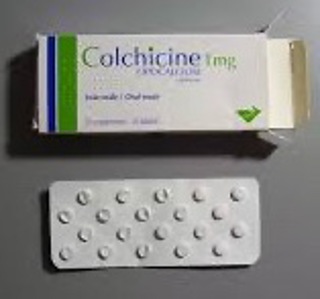
Podcast 585:  You Sure You Want Colchicine for Gout?

Podcast 585: You Sure You Want Colchicine for Gout?

Contributor: Don Stader, MD Educational Pearls: Gout is an arthritis caused by the deposition of urate crystals into the joint space Colchicine works by disrupting microtubules and prevents white blo...

10 Elo 20203min
Podcast 584:  Ketamine for Depression and Suicidality

Podcast 584: Ketamine for Depression and Suicidality

Contributor: Jared Scott, MD Educational Pearls: Suicide is currently the 10th leading cause of death in the US  Low quality studies have reported ketamine as a potential promising agent in treating ...

4 Elo 20203min

Podcast 583:  Raise Your Hands if You Have Carpal Tunnel Syndrome

Podcast 583: Raise Your Hands if You Have Carpal Tunnel Syndrome

Contributor: Aaron Lessen, MD Educational Pearls: Hand raising test: a simple but effective tool to diagnose carpal tunnel  Patients hold their hands over their head and if symptoms of carpal tunnel ...

3 Elo 20202min

Suosittua kategoriassa Tiede

rss-poliisin-mieli
rss-mita-tulisi-tietaa
tiedekulma-podcast
docemilia
rss-luontopodi-samuel-glassar-tutkii-luonnon-ihmeita
rss-duodecim-lehti
radio-antro
utelias-mieli
filocast-filosofian-perusteet
rss-lapsuuden-rakentajat-podcast
rss-lihavuudesta-podcast
rss-sosiopodi












