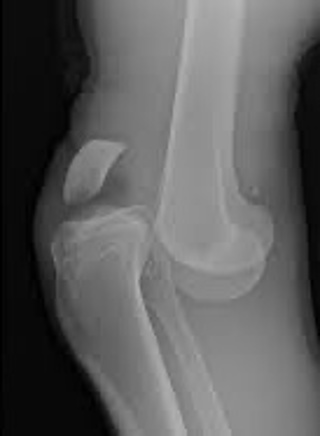

Podcast 722: Lower Extremity Dislocations

Podcast 722: Lower Extremity Dislocations

Contributor: Donald Stader, MD

Educational Pearls:

  • Hip Dislocation
    • Prolonged dislocations can impair blood supply to femoral head
    • Hip dislocation for >6 hours puts patient at high risk for needing a hip replacement in the next two year
  • Knee Dislocation
    • High mechanism
    • Often looks anatomically normal on knee x-ray
    • Vascular injuries of the popliteal artery can cause significant morbidity with some studies suggesting an 80% amputation rate if not treated within 6 hours
  • Ankle Dislocation
    • Common dislocation and often co-occurs with ankle fractures (bimalleolar/trimalleolar)
    • Pressure on the skin from the displaced joint can cause skin tenting, which can lead to skin necrosis
    • Hematoma blocks work well for ankle reductions as an adjunct to or substitute for procedural sedation

References

Arnold C, Fayos Z, Bruner D, Arnold D. Managing dislocations of the hip, knee, and ankle in the emergency department. Emerg Med Pract. 2017;19(12):1-28.

Dawson-Amoah K, Raszewski J, Duplantier N, Waddell BS. Dislocation of the Hip: A Review of Types, Causes, and Treatment. Ochsner J. 2018;18(3):242-252. doi:10.31486/toj.17.0079

Patterson BM, Agel J, Swiontkowski MF, Mackenzie EJ, Bosse MJ; LEAP Study Group. Knee dislocations with vascular injury: outcomes in the Lower Extremity Assessment Project (LEAP) Study. J Trauma. 2007;63(4):855-858. doi:10.1097/TA.0b013e31806915a7

Ross A, Catanzariti AR, Mendicino RW. The hematoma block: a simple, effective technique for closed reduction of ankle fracture dislocations. J Foot Ankle Surg. 2011;50(4):507-509. doi:10.1053/j.jfas.2011.04.037

Summarized by John Spartz, MS4 | Edited by Erik Verzemnieks, MD


Jaksot(1145)

Deep Dive #6: Bacteriuria and the Elderly

Deep Dive #6: Bacteriuria and the Elderly

Author: Heidi Wald, MD, MSPH Associate Professor of Medicine - University of Colorado School of Medicine, Physician Advisor - Colorado Hospital Association Dr. Heidi Wald explains common misconceptio...

25 Syys 201729min
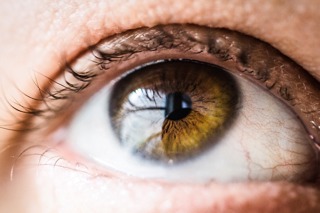
Podcast #255: Posterior Vitreous Detachment

Podcast #255: Posterior Vitreous Detachment

Author: Erik Verzemnieks, M.D. Educational Pearls Posterior vitreous detachment is the tearing of the lining in the back of of the eye. Patients often present with loss of vision and floaters. Diagno...

22 Syys 20171min

Podcast #254: Myths About Antibiotic Course Length

Podcast #254: Myths About Antibiotic Course Length

Author: Chris Holmes, M.D. Educational Pearls There's little/no data about the necessary length of an antibiotic course, nor has it proven that stopping a course of antibiotics early selects for the ...

20 Syys 20174min

Podcast #253: Total Eclipse of the Eye - Solar Retinopathy

Podcast #253: Total Eclipse of the Eye - Solar Retinopathy

Author: Nick Hatch, M.D. Educational Pearls Photic or solar retinitis occurs when you stare at the sun. The refractive power of the lens of the eye concentrates the light of the sun on the retina, st...

18 Syys 20173min
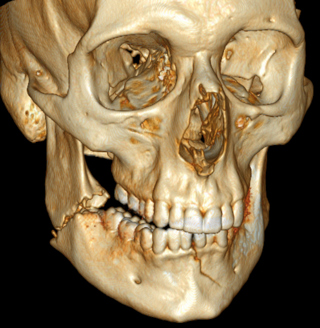
Podcast #252: Mandible Fractures

Podcast #252: Mandible Fractures

Author: Sam Killian, M.D. Educational Pearls The tongue blade test is done for mandible fractures, which make up 40-60% of facial fractures. The test is done by having the patient bite down on a tong...

15 Syys 20174min
Podcast #251: Cyanide Poisoning

Podcast #251: Cyanide Poisoning

Author: Rachel Beham, PharmD, Advanced Clinical Pharmacist – Emergency Medicine Educational Pearls Cyanide poisoning is suspected in patients who present with lactic acidosis after being trapped arou...

13 Syys 20174min

Podcast #250: Desmopressin

Podcast #250: Desmopressin

Author: Rachael Duncan, PharmD BCPS BCCCP Educational Pearls Desmopressin is an ADH mimetic and helps retain water, release von Willibrand Factor (in high doses), and treat diabetes insipidus (in low...

11 Syys 20173min

Podcast #249: Detecting Pulses

Podcast #249: Detecting Pulses

Author: Jared Scott, M.D. Educational Pearls Overall, medical providers are bad at detecting pulses. However, only 2% of patients do not have a detectable DP pulse. In one study, for patients with l...

10 Syys 20173min

Suosittua kategoriassa Tiede

tiedekulma-podcast
rss-mita-tulisi-tietaa
rss-poliisin-mieli
rss-duodecim-lehti
docemilia
filocast-filosofian-perusteet
rss-ammamafia
rss-luontopodi-samuel-glassar-tutkii-luonnon-ihmeita
rss-sosiopodi
utelias-mieli
radio-antro
rss-astetta-parempi-elama-podcast
rss-tiedetta-vai-tarinaa













