
Podcast 722: Lower Extremity Dislocations

Podcast 722: Lower Extremity Dislocations

Contributor: Donald Stader, MD

Educational Pearls:

  • Hip Dislocation
    • Prolonged dislocations can impair blood supply to femoral head
    • Hip dislocation for >6 hours puts patient at high risk for needing a hip replacement in the next two year
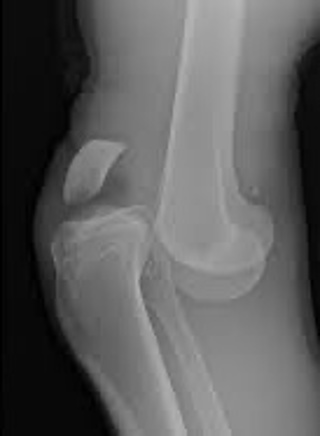
  • Knee Dislocation
    • High mechanism
    • Often looks anatomically normal on knee x-ray
    • Vascular injuries of the popliteal artery can cause significant morbidity with some studies suggesting an 80% amputation rate if not treated within 6 hours
  • Ankle Dislocation
    • Common dislocation and often co-occurs with ankle fractures (bimalleolar/trimalleolar)
    • Pressure on the skin from the displaced joint can cause skin tenting, which can lead to skin necrosis
    • Hematoma blocks work well for ankle reductions as an adjunct to or substitute for procedural sedation

References

Arnold C, Fayos Z, Bruner D, Arnold D. Managing dislocations of the hip, knee, and ankle in the emergency department. Emerg Med Pract. 2017;19(12):1-28.

Dawson-Amoah K, Raszewski J, Duplantier N, Waddell BS. Dislocation of the Hip: A Review of Types, Causes, and Treatment. Ochsner J. 2018;18(3):242-252. doi:10.31486/toj.17.0079

Patterson BM, Agel J, Swiontkowski MF, Mackenzie EJ, Bosse MJ; LEAP Study Group. Knee dislocations with vascular injury: outcomes in the Lower Extremity Assessment Project (LEAP) Study. J Trauma. 2007;63(4):855-858. doi:10.1097/TA.0b013e31806915a7

Ross A, Catanzariti AR, Mendicino RW. The hematoma block: a simple, effective technique for closed reduction of ankle fracture dislocations. J Foot Ankle Surg. 2011;50(4):507-509. doi:10.1053/j.jfas.2011.04.037

Summarized by John Spartz, MS4 | Edited by Erik Verzemnieks, MD


Jaksot(1145)

Podcast #248: Family Presence During Resuscitation

Podcast #248: Family Presence During Resuscitation

Author: Aaron Lessen, M.D. Educational Pearls Traditionally the family is removed from the room during procedures and codes, but recent research shows that family presence may be beneficial. 50% pati...

8 Syys 20173min
Podcast #249: D-Dimer

Podcast #249: D-Dimer

Author: Michael Hunt, M.D. Educational Pearls In the recent YEARS study, investigators checked every patient with suspicion for PE with a D-dimer, using a modified Wells score for risk stratification...

6 Syys 20173min
Podcast #248: Patent Foramen Ovale

Podcast #248: Patent Foramen Ovale

Author: Jared Scott, M.D. Educational Pearls The foramen ovale (FO) connects the left and right atria to allow oxygenated blood to bypass the developing lungs, it usually closes at birth but for some...

4 Syys 20173min

Podcast #247: Are You Listening? - 3 Ear Emergencies You Can't Miss!

Podcast #247: Are You Listening? - 3 Ear Emergencies You Can't Miss!

Author: Don Stader, M.D. Educational Pearls Ear pain is a common complaint in adults and kids. A red, hot, painful ear with involvement of the pinna could indicate perichondritis - an infection of th...

2 Syys 20176min
Podcast #246: Fever in Sepsis

Podcast #246: Fever in Sepsis

Author: Nick Hatch, M.D. Educational Pearls A recent observational cohort study found that the biggest predictor for sepsis survival was fever. Those with higher fevers had better outcomes. Some poss...

31 Elo 20172min
Podcast #245: Hypoglycemia

Podcast #245: Hypoglycemia

Author: Dylan Luyten, M.D. Educational Pearls Hypoglycemia is very common in type 2 diabetics, and is often caused by insulin overdose or missed meals. Knowing the peak time of action for common diab...

29 Elo 20174min
Podcast #244: Clavicle Fracture Review

Podcast #244: Clavicle Fracture Review

Author: Nick Hatch, M.D. Educational Pearls The force required to break a clavicle is significant, so clavicle fracture may be associated with other injury (pneumothorax, vascular injury). Most fract...

27 Elo 20172min
Podcast #243: Sphenopalatine Nerve Block

Podcast #243: Sphenopalatine Nerve Block

Author: Don Stader, M.D. Educational Pearls Cluster headaches are usually intense, unilateral, and involve the periorbital area. CN V (Trigeminal) provides sensory and autonomic innervation the face...

25 Elo 20174min

Suosittua kategoriassa Tiede

tiedekulma-podcast
rss-mita-tulisi-tietaa
rss-poliisin-mieli
rss-duodecim-lehti
docemilia
filocast-filosofian-perusteet
rss-ammamafia
rss-luontopodi-samuel-glassar-tutkii-luonnon-ihmeita
rss-sosiopodi
utelias-mieli
radio-antro
rss-astetta-parempi-elama-podcast
rss-tiedetta-vai-tarinaa