Episode 921: Pediatric Hypoglycemia

Episode 921: Pediatric Hypoglycemia

Contributor: Taylor Lynch, MD

Educational Pearls:

When it comes to hypoglycemia, the age dictates possible causes

  • Neonate:

    • Hormonal deficiency

      • Congenital Adrenal Hyperplasia (21-hydroxylase deficiency, 11β-hydroxylase deficiency)

      • Primary or Secondary Adrenal Insufficiency leading to cortisol deficiency

      • Hypopituitarism

    • Inborn errors of metabolism

    • Systemic infection (Under 30 days old should trigger a full infectious workup)

  • Toddler

    • Accidental ingestions

      • Sulfonylureas such as glipizide or glyburide

  • Older children

    • Addison's Disease (Hypocortisolism)

    • Accidential or intentional ingestions

    • Exogenous insulin

How is it diagnosed?

  • Child or infant

    • Glucose <60

  • Newborn

    • Glucose <45 and symptomatic or glucose <35 and asymptomatic

Treatment

  • Awake: oral glucose

  • Altered: IV glucose

  • Rule of 50's. The dose you give times the concentration should equal 50

    • Neonate to 2 months get 5 mg/kg of D10W (5*10=50)

    • 2 months to 8 years old get 2 mg/kg of D25W (2*25=50)

    • Over 8 gets 1 mg/kg of D50W (1*50=50)

    • Bonus fact: Rough estimate of weight for a child is 2*patients age plus 8

  • Recheck sugar every 15 minutes

  • If they stay hypoglycemic give another bolus and consider starting a drip at 1.5 maintenance dose of D10NS.

  • If you don't have an IV you can consider glucagon at 0.03 mg/kg IM, although you might be better off trying glucose gel buccally.

  • If standard therapy still fails you can give hydrocortisone

    • 25 mg IV for neonates and infants

    • 50 mg IV for toddlers and smaller school aged children

    • 100 mg for anyone older than that

How do you test for exogenous insulin?

  • Check a c-peptide which would be low if a patient is taking exogenous insulin

References

  1. Lang, T. F., & Hussain, K. (2014). Pediatric hypoglycemia. Advances in clinical chemistry, 63, 211–245. https://doi.org/10.1016/b978-0-12-800094-6.00006-6

  2. Lee, S. C., Baranowski, E. S., Sakremath, R., Saraff, V., & Mohamed, Z. (2023). Hypoglycaemia in adrenal insufficiency. Frontiers in endocrinology, 14, 1198519. https://doi.org/10.3389/fendo.2023.1198519

  3. Thompson-Branch, A., & Havranek, T. (2017). Neonatal Hypoglycemia. Pediatrics in review, 38(4), 147–157. https://doi.org/10.1542/pir.2016-0063

Summarized by Jeffrey Olson, MS3 | Edited by Meg Joyce, MS1 & Jorge Chalit, OMS3

Donate: https://emergencymedicalminute.org/donate/

Jaksot(1145)

Mental Health Monthly #7: Urine Toxicology in the ED

Mental Health Monthly #7: Urine Toxicology in the ED

This episode of Mental Health Monthly we will be discussing drugs screens in the Emergency Department with Dr. Justin Romano and Eddie Carillo. Dr. Justin Romano is a current psychiatry resident and E...

10 Helmi 202114min
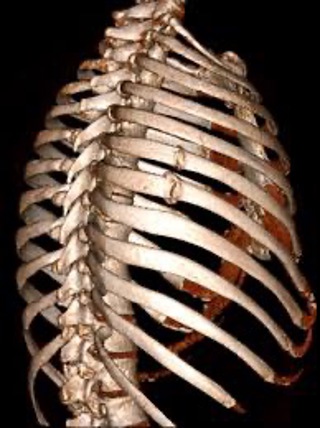
Podcast 639: Rib Fractures in the Elderly

Podcast 639: Rib Fractures in the Elderly

Contributor: Aaron Lessen, MD Educational Pearls: Retrospective review of 5,021 patients over 65 with 2 or more rib fractures recently published 3577 (78 %) were admitted to non-ICU setting 1.1% of ...

9 Helmi 20213min
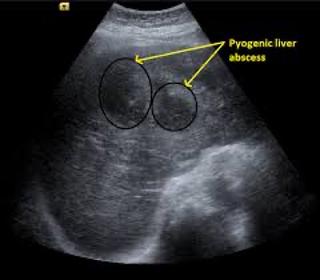
Podcast 638: Pyogenic Liver Abscess

Podcast 638: Pyogenic Liver Abscess

Contributor: Aaron Lessen, MD Educational Pearls: Pyogenic liver abscesses can be caused by Intra-abdominal infection progressing to peritonitis which then drains into liver Bacteremia leading to h...

8 Helmi 20213min

Podcast 637: LSD

Podcast 637: LSD

Contributor: Katie Sprinkel, MD Educational Pearls: Commonly known as "acid," LSD is seeing a resurgence in the population as a recreational hallucination Onset is about 30 minutes with peak pharmaco...

2 Helmi 20216min

Podcast 636: May-Thurner Syndrome

Podcast 636: May-Thurner Syndrome

Contributor: Sam Killian, MD Educational Pearls: iliac vein compression syndrome is also called May-Thurner Syndrome The left leg more frequently develops deep venous thrombosis (DVT) in part because...

1 Helmi 20213min
Pharmacy Phriday #8: Atropine with Ketamine for Conscious Sedation of Pediatrics

Pharmacy Phriday #8: Atropine with Ketamine for Conscious Sedation of Pediatrics

Educational Pearls: Atropine has been shown to reduce hypersalivation as well as nausea and vomiting induced by ketamine sedation. Atropine can increase the occurrence of a transient rash, as well a...

29 Tammi 20213min

Podcast 635: Wide Complex Tachycardias

Podcast 635: Wide Complex Tachycardias

Contributor: Peter Bakes, MD Educational Pearls: Two main differentials for wide complex tachycardia (WCT) include ventricular tachycardia (most common) and supraventricular tachycardia with aberranc...

26 Tammi 20215min

Podcast 634: D10 for Hypoglycemia

Podcast 634: D10 for Hypoglycemia

Contributor: Dylan Luyten, MD Educational Pearls: D10 may be a better alternative to D50 in correcting hypoglycemia Risks of D50: Can cause extravasation injury Risk of rebound hypoglycemia D10 ...

25 Tammi 20214min

Suosittua kategoriassa Tiede

tiedekulma-podcast
rss-mita-tulisi-tietaa
rss-poliisin-mieli
docemilia
utelias-mieli
radio-antro
filocast-filosofian-perusteet
rss-sosiopodi
ihanat-ipanat
mielipaivakirja
rss-bios-podcast
rss-duodecim-lehti
rss-laakaripodi
rss-radplus
rss-opeklubi
rss-lihavuudesta-podcast