Tardive Dyskinesia in Schizophrenia

Tardive Dyskinesia in Schizophrenia

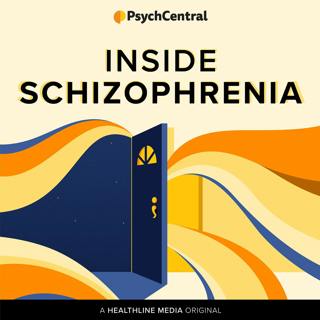
Did you know that rocking back and forth isn’t a symptom of schizophrenia — it’s a side effect of the medication used for treatment. It’s called tardive dyskinesia, and it’s a common result of long-term use of antipsychotic medications. The percentage of patients who will experience tardive dyskinesia ranges from 3% to as high as 68% and can have a negative impact on quality of life. Dee Linde, who is a support group leader with the Dystonia Medical Research Foundation, joins and shares her incredible journey with tardive dystonia — a progressed form of tardive dyskinesia. Host Rachel Star Withers, a diagnosed schizophrenic, and cohost Gabe Howard discuss the effects of tardive dyskinesia, personal stories, and ways to manage it in this episode of Inside Schizophrenia. To learn more, visit the official episode page here. Guest Bio Dee Linde, MA, is a U.S. navy veteran and worked as a licensed marriage and family therapist for 15 years. Linde was diagnosed with tardive dystonia in 1997 and had deep brain stimulation (DBS) surgery in 2000. In 2002 Linde founded the DBSforDystonia Yahoo group to offer online peer support and information to those on the DBS journey. She now moderates the Dystonia & Deep Brain Stimulation Facebook group. Linde also leads the Portland, Oregon & Southwest Washington Dystonia Support Group. She has served on the Department of Defense’s Peer Reviewed Medical Research Program’s consumer reviewer panel for dystonia research applications and has testified before the Senate Defense Appropriations Subcommittee urging federal legislators to keep dystonia on the list of conditions included in the Department of Defense’s exclusive research program. Linde is a member of the Dystonia Medical Research Foundation’s Community Leadership Council, a frequent speaker at DMRF events, and a member of the Dystonia Dialogue newsletter’s editorial board. https://dystonia-foundation.org/ Inside Schizophrenia Podcast Host Rachel Star Withers creates videos documenting her schizophrenia, ways to manage and let others like her know they are not alone and can still live an amazing life. She has written Lil Broken Star: Understanding Schizophrenia for Kids and a tool for schizophrenics, To See in the Dark: Hallucination and Delusion Journal. Fun Fact: She has wrestled alligators. To learn more about Rachel, please visit her website, RachelStarLive.com. Inside Schizophrenia Co-Host Gabe Howard is an award-winning writer and speaker who lives with bipolar disorder. He is the author of the popular book, "Mental Illness is an Asshole and other Observations," available from Amazon; signed copies are also available directly from the author. Gabe makes his home in the suburbs of Columbus, Ohio. He lives with his supportive wife, Kendall, and a Miniature Schnauzer dog that he never wanted, but now can’t imagine life without. To learn more about Gabe, please visit his website, gabehoward.com. Learn more about your ad choices. Visit megaphone.fm/adchoices

Jaksot(83)

What is ‘Schizoposting’ and Why it’s Dangerous

What is ‘Schizoposting’ and Why it’s Dangerous

“Schizoposting” is a growing internet trend that involves posting violent images, videos, text posts, and memes as if the creator is having a mental breakdown. It has become associated with hate movem...

17 Heinä 202448min

Does Language Matter When Discussing Schizophrenia and Psychosis?

Does Language Matter When Discussing Schizophrenia and Psychosis?

How do you refer to a person who has been diagnosed with schizophrenia? “Person with schizophrenia” or “schizophrenic?” What about other words, for example, “crazy, insane, psycho, or schizo?” The wor...

19 Kesä 202444min

Dealing with Weight Gain in Schizophrenia

Dealing with Weight Gain in Schizophrenia

People with schizophrenia are at a greater risk of developing type 2 diabetes than the general population. Diabetes is seen in 1 in 5 people with schizophrenia. Metabolic syndrome occurs in 1 in 3 peo...

15 Touko 202454min

Involuntary Treatment Options in Schizophrenia

Involuntary Treatment Options in Schizophrenia

Treatment for schizophrenia is a tough journey for people with the illness but also for caregivers and loved ones. Due to cognitive symptoms, hallucinations, and delusions, a person with schizophrenia...

17 Huhti 202451min

How Suicide Intersects with Schizophrenia

How Suicide Intersects with Schizophrenia

People with schizophrenia have a 10% rate of suicide compared with the general population population’s 1.3% rate of suicide. Suicide is the biggest reason for the decreased life expectancy of people w...

20 Maalis 202454min

Community Involvement in Recovery with Schizophrenia

Community Involvement in Recovery with Schizophrenia

There is a huge gap in how people with schizophrenia are expected to recover and then integrate back into society. Many of us are in active treatment and managing symptoms. Now what? How do we functio...

21 Helmi 202439min

Disturbing Thoughts in Schizophrenia

Disturbing Thoughts in Schizophrenia

Impulsive thoughts to harm yourself or others, confusing delusional thoughts, thoughts commanding you to do things — all of these are terrifying to experience. A breakdown in the thought process is a ...

17 Tammi 202453min

Grieving the Life You Lost Due to Schizophrenia

Grieving the Life You Lost Due to Schizophrenia

Living with a diagnosis of schizophrenia means that you and those around you will experience multiple losses as you navigate the disorder. It can take away relationships, employment, education, perfor...

20 Joulu 202347min

Suosittua kategoriassa Terveys ja hyvinvointi

unicast
voi-hyvin-meditaatiot-2
psykopodiaa-podcast
vakeva-elama-viisaampi-mieli-vahvempi-keho
tiedenaiset-podcast
rss-pitaisko-erota
rss-narsisti
terapiassa
junnut-pelissa
puhu-muru
meditaatiot-suomeksi
aamukahvilla
rss-kuumilla-aalloilla
paritellen
rss-uplevel-by-sonja-hannus
rss-mighty-finland-podcast
rss-vapaudu-voimaasi
mielen-puolikkaat
rss-pt-paahtio