Mapping the Digital Threat: The Geography of Cybercrime
Cybercrimeology1 Elo 2024

Mapping the Digital Threat: The Geography of Cybercrime

Notes:

  • Background in Sociology: Dr. Miranda Bruce started in sociology, focusing on the dynamics of power and institutions.
  • PhD Research: Her PhD explored the Internet of Things (IoT) using post-structuralist French theory to understand technological reality.
  • Transition to Cybercrime: Transitioned from IoT research to a project on the geography of cybercrime, partnering with a local Australian university and the University of Oxford.
  • Cybercrime as a Local Phenomenon: Emphasized that cybercrime is not just a global issue but has significant local dimensions.
  • Mapping Cybercrime: Developed methods to map cybercrime hotspots to understand where cybercrime is coming from and why.
  • Importance of Local Factors: Identified that local factors play a crucial role in the proliferation of cybercrime in specific areas.
  • Intervention Strategies: Stressed that intervention strategies must be tailored to local conditions as one-size-fits-all approaches are ineffective.
  • Challenges in Measuring Cybercrime: Discussed the difficulties in accurately measuring where cybercrime originates due to technical limitations.
  • Survey of Experts: Utilized expert surveys from cybercrime intelligence and investigations to gather data on cybercrime hotspots.
  • Bias in Data Collection: Addressed potential biases in the data collection process and took steps to ensure diverse and reliable sources.
  • Use of Proxy Data: Chose expert survey data over technical measures or legal cases to get more accurate insights into cybercrime geography.
  • Findings: Key findings indicated that countries like Russia, Ukraine, China, the United States, and Nigeria are significant sources of cybercrime.
  • Analysis of Results: Plans to analyze the collected data to create theoretical models explaining why cybercrime is prevalent in certain areas.
  • Future Research Directions: Aims to develop detailed case studies and collaborate with policymakers to use the data for effective interventions.
  • Open Data: Highlighted the importance of making the data open source to enable further research and collaboration across disciplines.

About our guests:

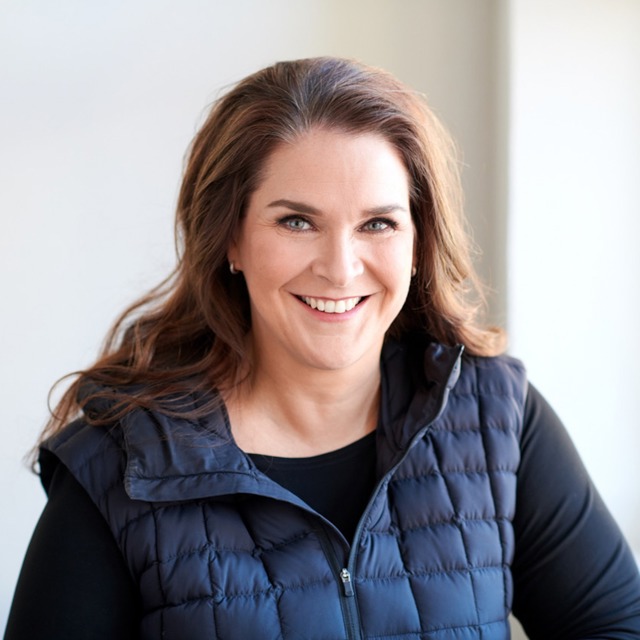
Dr Miranda Bruce:

https://www.sociology.ox.ac.uk/people/miranda-bruce

https://www.unsw.edu.au/staff/miranda-bruce

Papers or resources mentioned in this episode:

Other:

If you were interested in the topic of this episode, you might also enjoy episode 36 "Cyber criminals are people too".

Tämä jakso on lisätty Podme-palveluun avoimen RSS-syötteen kautta eikä se ole Podmen omaa tuotantoa. Siksi jakso saattaa sisältää mainontaa.

Jaksot(132)

A Treacherous Land: Cyberstalking and Harassment on Dating Apps

A Treacherous Land: Cyberstalking and Harassment on Dating Apps

Notes: Ms. Ayerza studied criminology, forensic behavioural sciences and psychology. Her early research examined eyewitness memory and the re-entry of exonerees before she became interested in cyber...

1 Elo 23min
Snapshots of Society: Studying Cybercrime Every Here

Snapshots of Society: Studying Cybercrime Every Here

Notes: Irnasya Hadi explains how growing up with the internet, and being frustrated by the limited connection between critical criminology and cybercrime, drew her toward the study of cyber insecuri...

1 Heinä 29min
No News is Bad News: AI Agents, Information Value, Accountability & Democracy

No News is Bad News: AI Agents, Information Value, Accountability & Democracy

Notes: Dr. Bridgman discusses his path from Winnipeg to McGill and how he became involved with the Media Ecosystem Observatory while still a PhD student. The conversation turns to the origins of th...

1 Kesä 34min
Public Interest Technology: Making Sense of Security in an AI World

Public Interest Technology: Making Sense of Security in an AI World

Notes: The conversation begins with his path into teaching public policy, despite never having planned a conventional academic career, and why translating technical subjects for non-technical studen...

1 Touko 34min
Who You Gonna Call?: Cybercrime Types and Expectations of Police Response

Who You Gonna Call?: Cybercrime Types and Expectations of Police Response

Notes: Cybercrime is often treated as a distinct phenomenon, but there are strong continuities with offline crime that are frequently overlooked. Digital technologies change behaviour and scale, bu...

1 Huhti 30min
Disordered Sense-Making: Conflict Narratives in the Digital Era

Disordered Sense-Making: Conflict Narratives in the Digital Era

Notes: Dr Samuel Tanner began his doctoral research examining war crimes and armed militias involved in mass violence in the Balkans, conducting extensive fieldwork and interviews with participants ...

1 Maalis 36min
Beyond “The Cybercriminal”: Understanding Diversity in Cyber Offenders

Beyond “The Cybercriminal”: Understanding Diversity in Cyber Offenders

Notes:Dr Bekkers describes his academic pathway from psychology to criminology and explains why his research focus has consistently been on offenders and their behaviour rather than on offences or tec...

1 Helmi 25min
Systematically Improving Cybersecurity Training

Systematically Improving Cybersecurity Training

Notes:Julia Prümmer describes her transition from legal psychology into cybersecurity research and how psychological methods shape her approach to cybersecurity training.The discussion explores the ro...

1 Tammi 49min

Suosittua kategoriassa Koulutus

rss-murhan-anatomia
psykopodiaa-podcast
voi-hyvin-meditaatiot-2
rss-vapaudu-voimaasi
kesken
rss-arkea-ja-aurinkoa-podcast-espanjasta
rss-niinku-asia-on
adhd-podi
rahapuhetta
rss-liian-kuuma-peruna
rss-suomen-aa-podcast
jari-sarasvuo-podcast
ilona-rauhala
rss-luonnollinen-synnytys-podcast
aamukahvilla
ihminen-tavattavissa-tommy-hellsten-instituutti
rss-naistalk
rss-nyt-puhutaan-ulosotosta
solu-ja-molekyylibiologian-perusteet
psykologia