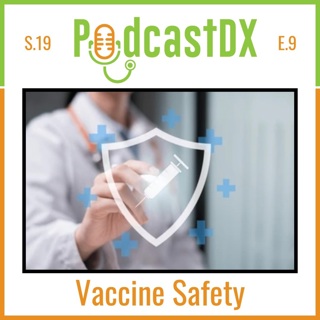
Vaccine Safety
PodcastDX13 Touko 2025

Vaccine Safety

Vaccination is one of the best ways to prevent diseases. Over the past 50 years, essential vaccines saved at least 154 million lives (1). During the same period, vaccination has reduced infant deaths by 40%. Together with governments, vaccine manufacturers, scientists and medical experts, WHO's vaccine safety program is constantly helping monitor the safety of vaccines. This helps ensure that vaccines are safe for you and your family.

​In the United States, a number of safeguards are required by law to help ensure that the vaccines we receive are safe. Because vaccines are given to millions of healthy people—including children—to prevent serious diseases, they're held to very high safety standards.

Every authorized or approved vaccine goes through safety testing, including:

  • Testing and evaluation of the vaccine before it's licensed by the Food and Drug Administration (FDA) and recommended for use by the Centers for Disease Control and Prevention (CDC)

  • Monitoring the vaccine's safety after it is recommended for infants, children, or adults

Before a vaccine is ever recommended for use, it's tested in labs. This process can take several years. FDA uses the information from these tests to decide whether to test the vaccine with people.

During a clinical trial, a vaccine is tested on people who volunteer to get vaccinated. Clinical trials usually start with 20 to 100 volunteers, but eventually include thousands of volunteers. These tests can take several years and answer important questions like:

  • Is the vaccine safe?

  • What dose (amount) works best?

  • How does the immune system react to it?

Throughout the process, FDA works closely with the company producing the vaccine to evaluate the vaccine's safety and effectiveness. All safety concerns must be addressed before FDA licenses or authorizes a vaccine.

​Once a vaccine is approved or authorized, it continues to be tested. The company that makes the vaccine tests batches to make sure the vaccine is:

  • Potent (It works like it's supposed to)

  • Pure (Certain ingredients used during production have been removed)

  • Sterile (It doesn't have any outside germs)

FDA reviews the results of these tests and inspects the factories where the vaccine is made. This helps make sure the vaccines meet standards for both quality and safety.

​Once a vaccine is recommended for use, FDA, CDC, and other federal agencies continue to monitor its safety.

​The United States has one of the most advanced systems in the world for tracking vaccine safety. Each of the systems below supplies a different type of data for researchers to analyze. Together, they help provide a full picture of vaccine safety.

  • Vaccine Adverse Events Reporting System (VAERS): VAERS is an early warning system managed by CDC and FDA that is designed to find possible vaccine safety issues. Patients, health care professionals, vaccine companies, and others can use VAERS to report side effects that happen after a patient received a vaccine. Some side effects might be related to vaccination while others might be a coincidence (happen by chance). VAERS helps track unusual or unexpected patterns of reporting that could mean there's a possible vaccine safety issue that needs further evaluation.

  • The Vaccine Safety Datalink (VSD): VSD is a collaboration between CDC and several health care organizations across the nation. VSD uses databases of medical records to track vaccine safety and do research in large populations. By using medical records instead of self-reports, VSD can quickly study and compare data to find out if reported side effects are linked to a vaccine.

  • Post-licensure Rapid Immunization Safety Monitoring System (PRISM), links to an external website, opens in a new tab: PRISM is part of the Sentinel Initiative, which is FDA's national system for monitoring medical products after they're licensed for use. PRISM focuses on vaccine safety—it uses a database of health insurance claims to identify and evaluate possible safety issues for licensed vaccines.

  • Clinical Immunization Safety Assessment Project (CISA): CISA is a collaboration between CDC and a national network of vaccine safety experts from medical research centers. CISA does clinical vaccine safety research and—at the request of providers—evaluates complex cases of possible vaccine side effects in specific patients.

  • Biologics Effectiveness and Safety (BEST) System: A system that uses multiple data sources and rapid queries to detect or evaluate adverse events or study specific safety questions.

  • Additional research and testing: The Department of Defense (DoD), the U.S. Department of Veterans Affairs (VA), and the Indian Health Service (IHS) have systems to monitor vaccine safety and do vaccine safety research. The National Institutes of Health (NIH) and the Office of Infectious Disease and HIV/AIDS Policy (OIDP) also support ongoing research on vaccines and vaccine safety. During emergencies, such as the COVID-19 pandemic, additional safety activities are utilized to help evaluate the data in quickly and with special populations. For example, a new smartphone tool called V-safe uses text messaging and surveys to check in with COVID-19 vaccine recipients after vaccination. (CREDITS)

Tämä jakso on lisätty Podme-palveluun avoimen RSS-syötteen kautta eikä se ole Podmen omaa tuotantoa. Siksi jakso saattaa sisältää mainontaa.

Jaksot(440)

EECP The Most Underutilized Therapy in Medicine

EECP The Most Underutilized Therapy in Medicine

Retired U.S. Coast Guard Master Chief Petty Officer Jack Clifford joins PodcastDX to share how severe chronic angina once limited even everyday activities and left him facing the possibility of triple...

25 Elo 44min
Diary of An Epileptic

Diary of An Epileptic

In this episode of PodcastDX, we speak with Allany Muniz, founder of Diary of an Epileptic, about the realities of living with epilepsy beyond what most people see. Allany shares how her diagnosis cha...

18 Elo 28min
Memory Villages

Memory Villages

Memory Villages explores the promise and the questions surrounding dementia villages—care communities designed to feel more like neighborhoods than institutions. We discuss how familiar surroundings, ...

11 Elo 17min
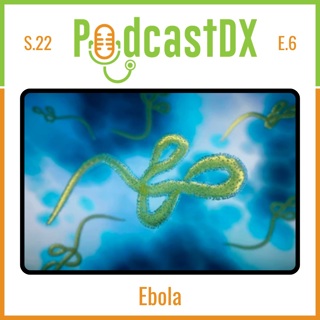
Ebola

Ebola

In this PodcastDX episode, Lita and Jean Marie unpack Ebola as a severe but not casually spread viral disease, explaining that infection requires direct contact with blood or other body fluids or cont...

4 Elo 23min
Sunscreen

Sunscreen

In this week's episode of PodcastDX, Lita and Jean Marie break down why sunscreen is about far more than avoiding a bad sunburn—it's everyday cancer prevention. They explain how UV damage happens whil...

28 Heinä 17min
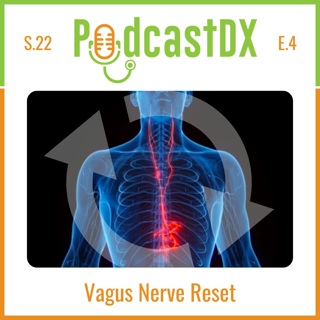
Vagus Nerve Reset

Vagus Nerve Reset

In this solo PodcastDX episode, Lita introduces the concept of the vagus nerve and explains why it has become such a focus in wellness, neurology, psychiatry, and online health spaces. She describes t...

21 Heinä 17min
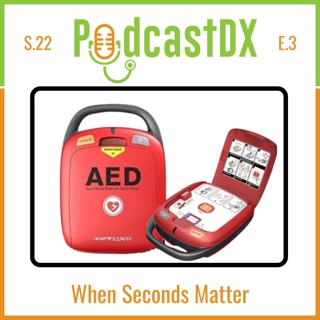
When Seconds Matter

When Seconds Matter

"When Seconds Matter" is a strong, urgent PodcastDX episode.  It is a personal story about emergency response and the critical minutes before help arrives. It's focused on recognizing danger early, ca...

14 Heinä 14min
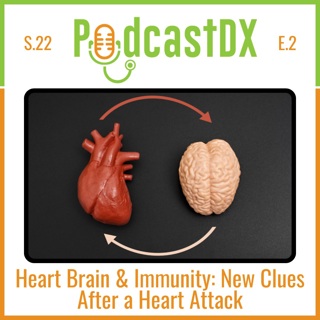
Heart, Brain & Immunity: New Clues After a Heart Attack

Heart, Brain & Immunity: New Clues After a Heart Attack

After a heart attack, the story doesn't end in the arteries. In this episode of PodcastDX, Lita and Jean Marie explore new science showing how the heart, brain, and immune system talk to each other du...

26 Touko 19min
Suosittua kategoriassa Terveys ja hyvinvointi

unicast
tiedenaiset-podcast
rss-pitaisko-erota
vakeva-elama-viisaampi-mieli-vahvempi-keho
meditaatiot-suomeksi
psykopodiaa-podcast
terapiassa
voi-hyvin-meditaatiot-2
katilon-kahvitunti
rss-uplevel-by-sonja-hannus
rss-pt-paahtio
rss-kuumilla-aalloilla
rss-vapaudu-voimaasi
rss-sanelunpurku-podcast
junnut-pelissa
fitnessvastaanotto
rss-terapiaklubi
selviytyjat-tarinoita-elamasta
paritellen
rss-kehtaanko-kysya-podcast-aideille