
Pulmonary Embolism
PodcastDX30 Touko 2023

Pulmonary Embolism

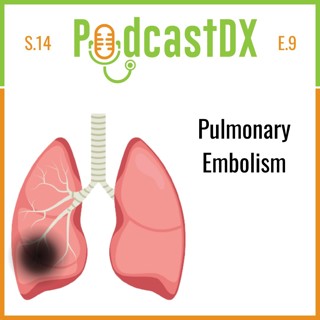
This week our Co-Host and producer is the guest once again! The topic for this week is Pulmonary Embolism, which is a blood clot or thrombus in the lung.

A pulmonary embolism (PE) is a sudden blockage in a lung artery. It usually happens when a blood clot breaks loose and travels through the bloodstream to the lungs. PE is a serious condition that can cause:

  • Permanent damage to the lungs
  • Low oxygen levels in your blood
  • Damage to other organs in your body from not getting enough oxygen

PE can be life-threatening, especially if a clot is large, or if there are many clots.

What causes a pulmonary embolism (PE)?

The cause is usually a blood clot in the leg called a deep vein thrombosis that breaks loose and travels through the bloodstream to the lungs.

Who is at risk for a pulmonary embolism (PE)?

Anyone can get a pulmonary embolism (PE), but certain things can raise your risk of PE:

  • Having surgery, especially joint replacement surgery
  • Certain medical conditions, including
    • Cancers
    • Heart diseases
    • Lung diseases
    • A broken hip or leg bone or other trauma
  • Hormone-based medicines, such as birth control pills or hormone replacement therapy
  • Pregnancy and childbirth. The risk is highest for about six weeks after childbirth.
  • Not moving for long periods, such as being on bed rest, having a cast, or taking a long plane flight
  • Age. Your risk increases as you get older, especially after age 40.
  • Family history and genetics. Certain genetic changes that can increase your risk of blood clots and PE.
  • Obesity
What are the symptoms of a pulmonary embolism (PE)?

Half the people who have pulmonary embolism have no symptoms. If you do have symptoms, they can include shortness of breath, chest pain or coughing up blood. Symptoms of a blood clot include warmth, swelling, pain, tenderness and redness of the leg.

How is a pulmonary embolism (PE) diagnosed?

It can be difficult to diagnose PE. To make a diagnosis, your health care provider will:

  • Take your medical history, including asking about your symptoms and risk factors for PE
  • Do a physical exam
  • Run some tests, including various imaging tests and possibly some blood tests
What are the treatments for a pulmonary embolism (PE)?

If you have PE, you need medical treatment right away. The goal of treatment is to break up clots and help keep other clots from forming. Treatment options include medicines and procedures.

Medicines:

  • Anticoagulants, or blood thinners, keep blood clots from getting larger and stop new clots from forming. You might get them as an injection, a pill, or through an I.V. (intravenous). They can cause bleeding, especially if you are taking other medicines that also thin your blood, such as aspirin.
  • Thrombolytics are medicines to dissolve blood clots. You may get them if you have large clots that cause severe symptoms or other serious complications. Thrombolytics can cause sudden bleeding, so they are used if your PE is serious and may be life-threatening.

Procedures:

  • Catheter-assisted thrombus removal uses a flexible tube to reach a blood clot in your lung. Your health care provider can insert a tool in the tube to break up the clot or to deliver medicine through the tube. Usually you will get medicine to put you to sleep for this procedure.
  • A vena cava filter may be used in some people who cannot take blood thinners. Your health care provider inserts a filter inside a large vein called the vena cava. The filter catches blood clots before they travel to the lungs, which prevents pulmonary embolism. But the filter does not stop new blood clots from forming.
Can pulmonary embolism (PE) be prevented?

Preventing new blood clots can prevent PE. Prevention may include:

  • Continuing to take blood thinners. It's also important to get regular checkups with your provider, to make sure that the dosage of your medicines is working to prevent blood clots but not causing bleeding.
  • Heart-healthy lifestyle changes, such as heart-healthy eating, exercise, and, if you smoke, quitting smoking
  • Using compression stockings to prevent deep vein thrombosis (DVT)
  • Moving your legs when sitting for long periods of time (such as on long trips)
  • Moving around as soon as possible after surgery or being confined to a bed

(Credits: NIH)

Tämä jakso on lisätty Podme-palveluun avoimen RSS-syötteen kautta eikä se ole Podmen omaa tuotantoa. Siksi jakso saattaa sisältää mainontaa.

Jaksot(441)

Ai and Robotics in Medicine

Ai and Robotics in Medicine

This week on PodcastDX, Dr. Sanjeev Kumar joins Lita, Ron, and Jean Marie to discuss AI and robotics in medicine—from surgical robots and rehabilitation technology to hospital automation, patient safe...

1 Syys 47min

EECP The Most Underutilized Therapy in Medicine

EECP The Most Underutilized Therapy in Medicine

Retired U.S. Coast Guard Master Chief Petty Officer Jack Clifford joins PodcastDX to share how severe chronic angina once limited even everyday activities and left him facing the possibility of triple...

25 Elo 44min

Diary of An Epileptic

Diary of An Epileptic

In this episode of PodcastDX, we speak with Allany Muniz, founder of Diary of an Epileptic, about the realities of living with epilepsy beyond what most people see. Allany shares how her diagnosis cha...

18 Elo 28min

Memory Villages

Memory Villages

Memory Villages explores the promise and the questions surrounding dementia villages—care communities designed to feel more like neighborhoods than institutions. We discuss how familiar surroundings, ...

11 Elo 17min

Ebola

Ebola

In this PodcastDX episode, Lita and Jean Marie unpack Ebola as a severe but not casually spread viral disease, explaining that infection requires direct contact with blood or other body fluids or cont...

4 Elo 23min
Sunscreen

Sunscreen

In this week's episode of PodcastDX, Lita and Jean Marie break down why sunscreen is about far more than avoiding a bad sunburn—it's everyday cancer prevention. They explain how UV damage happens whil...

28 Heinä 17min
Vagus Nerve Reset

Vagus Nerve Reset

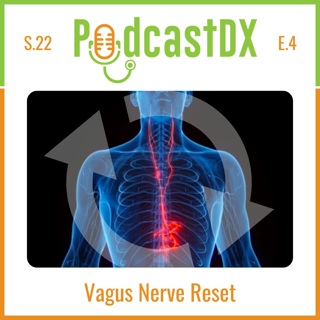
In this solo PodcastDX episode, Lita introduces the concept of the vagus nerve and explains why it has become such a focus in wellness, neurology, psychiatry, and online health spaces. She describes t...

21 Heinä 17min

When Seconds Matter

When Seconds Matter

"When Seconds Matter" is a strong, urgent PodcastDX episode.  It is a personal story about emergency response and the critical minutes before help arrives. It's focused on recognizing danger early, ca...

14 Heinä 14min

Suosittua kategoriassa Terveys ja hyvinvointi

unicast
psykopodiaa-podcast
rss-pitaisko-erota
vakeva-elama-viisaampi-mieli-vahvempi-keho
tiedenaiset-podcast
terapiassa
meditaatiot-suomeksi
aamukahvilla
rss-kuumilla-aalloilla
katilon-kahvitunti
selviytyjat-tarinoita-elamasta
voi-hyvin-meditaatiot-2
fitnessvastaanotto
rss-pt-paahtio
rss-terapiaklubi
rss-vapaudu-voimaasi
rss-uplevel-by-sonja-hannus
rss-sanelunpurku-podcast
rss-mighty-finland-podcast
paritellen