Can a Single Dose of Ibogaine Cure PTSD? Stanford Thinks So
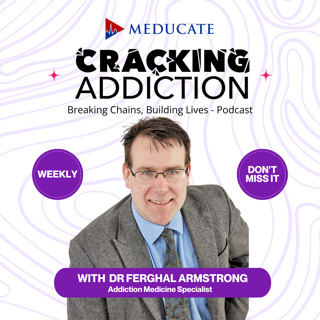
Cracking Addiction12 Marras 2025

Can a Single Dose of Ibogaine Cure PTSD? Stanford Thinks So

In a stunning breakthrough, Stanford researchers have unveiled a potential game-changer in the fight against PTSD and traumatic brain injury.

This episode dives deep into the science and promise behind Ibogaine therapy, a powerful plant-based treatment showing an astonishing 86% remission rate for PTSD after just one session. T

he study focused on 30 special forces veterans, exploring a groundbreaking approach known as the MISTIC protocol—Magnesium Ibogaine Therapy for Traumatic Injury to the Central Nervous System.Ibogaine, derived from the African Tabernanthe iboga shrub, interacts with multiple neurotransmitter systems and boosts brain-derived neurotrophic factor, helping the brain to repair itself.

What’s even more compelling? These veterans didn’t just feel better emotionally—they demonstrated significant cognitive improvements, including sharper memory, problem-solving, and focus.

The treatment also showed remarkable safety when paired with magnesium, alleviating concerns about past cardiac risks. While the trial wasn’t placebo-controlled, the neuropsychological improvements were objective and hard to dismiss.

With additional holistic care like breathwork and coaching, this integrative method represents a promising frontier for treating PTSD, depression, and anxiety. It's not yet available in the U.S., but this research could ignite the change.

Tämä jakso on lisätty Podme-palveluun avoimen RSS-syötteen kautta eikä se ole Podmen omaa tuotantoa. Siksi jakso saattaa sisältää mainontaa.

Jaksot(246)

Meth Withdrawal — Why It Takes 6 Months to Feel Normal Again

Meth Withdrawal — Why It Takes 6 Months to Feel Normal Again

Why does meth withdrawal take 6 months when alcohol withdrawal takes days?It's all about dopamine depletion and neuroplasticity 🧠Dr. Ferghal breaks down:• The 3-phase withdrawal timeline• What happen...

27 Touko 6min
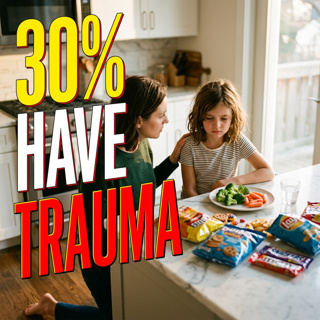
Childhood Obesity: Why 30% of Kids We Help Have Food Trauma Issues

Childhood Obesity: Why 30% of Kids We Help Have Food Trauma Issues

30% of kids with excess weight that we help have trauma-based eating patterns. That's not willpower failure — that's biology. When children experience domestic violence, financial stress, or emotional...

20 Touko 16min
Binge Drinking: The Hidden Truth About Weekend Warriors

Binge Drinking: The Hidden Truth About Weekend Warriors

MYTH: You need to hit 'rock bottom' to recover from addiction. But here's what addiction specialist Dr. Ferghal Armstrong's guest Tom reveals: his worst moment wasn't losing everything – it was waking...

13 Touko 21min
Attachment Issues Cause Addiction - 4 Types That Lead to Drugs

Attachment Issues Cause Addiction - 4 Types That Lead to Drugs

Think trauma only happens from big events like car crashes? Wrong. Dr. Ferghal here with a myth-bust that'll change how you see childhood forever.The biggest trauma isn't what you think — it's relatio...

6 Touko 24min

Benzodiazepine Withdrawal Waves Explained | Ashton Protocol

Benzodiazepine Withdrawal Waves Explained | Ashton Protocol

Most people are told that benzodiazepine withdrawal should improve in a straight line. That myth keeps many people trapped in shame, fear, and confusion when symptoms come back in waves. But brain rec...

23 Huhti 7min

Quit Smoking: 30% Better Recovery from Drug Addiction

Quit Smoking: 30% Better Recovery from Drug Addiction

Dopamine pathways and addiction recovery: Why smoking during addiction treatment reduces your chances of lasting sobriety by 30%🚬 THE MYTH WE'VE ALL BELIEVEDFor decades, addiction treatment centres h...

15 Huhti 3min

3 Evidence-Based Recovery Models That Actually Work

3 Evidence-Based Recovery Models That Actually Work

Recovery paths aren't one-size-fits-all. Dr. Fergal Armstrong explains why neuroplasticity supports multiple evidence-based approaches to addiction recovery.**THE MYTH: One "Right" Way to Recover**Soc...

8 Huhti 7min

The Neuroscience of Cravings and Brain Recovery

The Neuroscience of Cravings and Brain Recovery

Addiction neuroscience explains why cravings feel urgent, physical, and overpowering—and why that does not mean recovery is impossible.Many people still believe cravings happen because of weak willpow...

3 Huhti 5min

Suosittua kategoriassa Terveys ja hyvinvointi

unicast
tiedenaiset-podcast
psykopodiaa-podcast
vakeva-elama-viisaampi-mieli-vahvempi-keho
rss-pitaisko-erota
voi-hyvin-meditaatiot-2
puhu-muru
rss-uplevel-by-sonja-hannus
meditaatiot-suomeksi
katilon-kahvitunti
rss-kuumilla-aalloilla
rss-narsisti
yes-girl
paritellen
aamukahvilla
junnut-pelissa
fitnessvastaanotto
rss-soberisti-podcast
rss-nautinto
rss-vapaudu-voimaasi