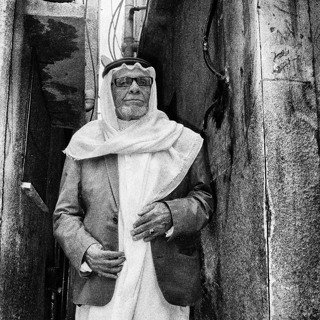
Nakba #55 - Muhammad Mahmud Harb

Nakba #55 - Muhammad Mahmud Harb

1946 “I used to help my father out in the fields. We grew tomatoes, cucumbers, and watermelons. We took the vegetables on our donkeys to the markets in Yafa and Mulabbis. When I had time off, I played football with my friends. I did not have a real football, so I made one out of cloth and string. My mother helped me.” 1948 “We loaded furniture and mattresses onto a donkey and walked the whole way. My father had to carry my grandfather on his back; he was one hundred years old. We left the village in the afternoon and walked for two days, without food or water. Along the way we picked oranges and apples. The first night we rested for only a couple of hours. We reached al-Tira the following night. We had barely settled in when the Israeli military attacked from three directions. We fled, but my father decided to try to return to al-Tira to fetch wheat and food for us. Meanwhile we reached a village between Taiba and Tulkarm. There were caves there where we spent the night. My father returned with wheat flour. There was plenty of water, and my mother baked bread over an open fire. We stayed in the caves for three weeks before continuing to Qalqilya, in al-Diffa al-Gharbia. Eventually our relatives found us. They came with donkeys and took us to their village, Mas-ha. My father began looking for work.” 1967 “I was still serving in the Jordanian army. We had weapons, but I never saw any Israeli soldiers. They attacked us only from the air, with planes, constantly. Many soldiers in the Jordanian army were killed. I was lucky to survive. We retreated to Mount Nebo Mousa, where we were trapped without food or water. We were terribly thirsty. I set off on my own down the mountain to my family in the Akbat Jaber refugee camp. When I arrived at the camp it was almost empty; the houses were abandoned, the doors left open. After Israel’s occupation, most of the camp’s 30,000 inhabitants had fled to al-Urdunn (Jordan). Only 5,000 people remained in the camp, including my family. They could not afford to flee. I had brought my radio equipment with me and heard that the military leadership ordered all Palestinians to cross east of the Jordan River, to al-Urdunn. But I refused. My family was in the camp, and I decided to stay in al-Diffa al-Gharbia.” 2002 “During a clash with the Israeli military here in the Balata refugee camp, my son Khalil was killed. Another of my sons, Jihad, attempted to carry out a suicide bombing together with a companion. They were supposed to pass the border crossing in Qalqilya, but the Israeli army knew of their plans and was waiting for them. Jihad and his companion blew themselves up. I am still waiting to get his body back. It remains in Israel. I have Jihad’s portrait here on the wall, together with his two other brothers. I have paid a high price; in total I have lost three sons. But I am not upset or angry. There are martyrs in the Qur’an, the Torah, and the Bible. God chose my sons to be martyrs. For that I am grateful, not angry.” Interpreter: ‘Abd Yusuf.

Denne episoden er hentet fra en åpen RSS-feed og er ikke publisert av Podme. Den kan derfor inneholde annonser.

Episoder(332)

Det judiska Kristianstad #48 - Semmy Rülf

Det judiska Kristianstad #48 - Semmy Rülf

- Pappa var gabai i synagogan i Kristianstad. Ofta saknade de en man, så pappa gick in på Grand Hotell och ringde mamma och så jag fick cykla i väg till synagogan klockan åtta på lördagsmorgonen, gömm...

17 Jul 1h 43min
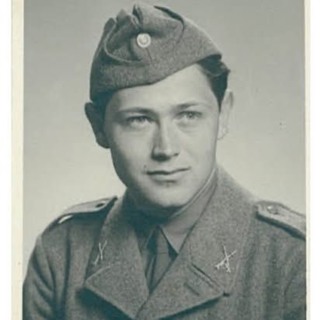
Det judiska Högalid #47 - Isse Albert

Det judiska Högalid #47 - Isse Albert

På 1950-talet var det många som talade jiddisch på Lindvallsplan 4. En av de var min morbror Isse. Han föddes i polska Rajgrod 1926. Han fick namnet Jisrael Mordechai Albert. På 1930-talet utvandrade ...

10 Jul 12min
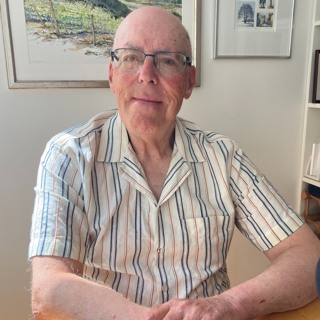
Andra generationen #91 - Lennart Weiss

Andra generationen #91 - Lennart Weiss

- De som har levt i det förgångna lever vidare i mig, säger Lennart Weiss.

3 Jul 1h 42min
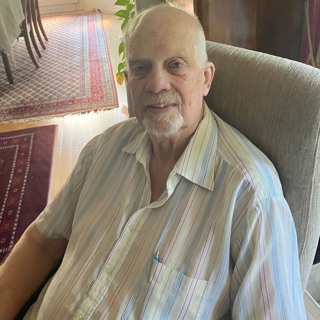
Nakba #63 - Lars Wåhlin

Nakba #63 - Lars Wåhlin

- Vi var främmande kroppar i det här samhället, säger Lars Wåhlin, svensk FN-soldat stationerad i Gaza-remsan, 1960. Intervjuare: Lotta Schüllerqvist och Bernt Hermele Bakgrund: 1956 skapade FN, för ...

24 Jun 1h 24min
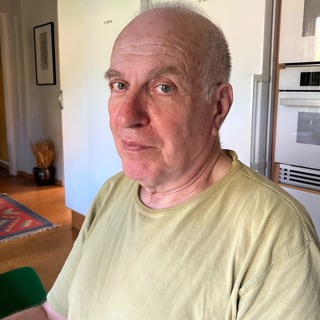
Det judiska Högalid  #46 - Fred Kudrén

Det judiska Högalid #46 - Fred Kudrén

Är det bara ett halvår sen Mikael dog? - Ja. Hur känns det idag? - Det är svårt, till exempel när man letar i bilder. Men det är också konstigt, för jag har inte spelat in någonting med hans röst, säg...

12 Jun 2h 1min
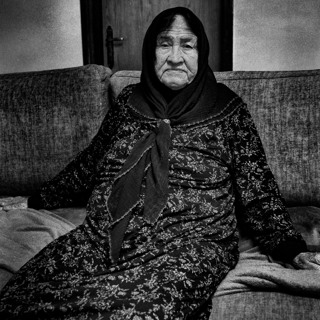
Nakba #62 - Amina Ali Hammoud

Nakba #62 - Amina Ali Hammoud

”I was 14 when the jews attacked our village. My parents prohibited me to go outside, but I ran outside anyway to look at the soldiers. Then I ran back to my mother och explained the Israelis looked j...

8 Jun 27min
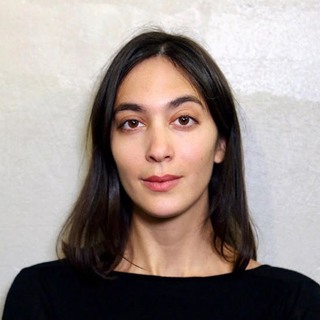
Det judiska Högalid #45 - Josephine Schneider

Det judiska Högalid #45 - Josephine Schneider

Josephine Schneider om varför det tog så lång tid att göra radiodokumentären ”Judehuset som försvann”: - Jag tyckte det var skitjobbigt att göra en judisk grej, att komma ut som jude i en slags offent...

5 Jun 17min
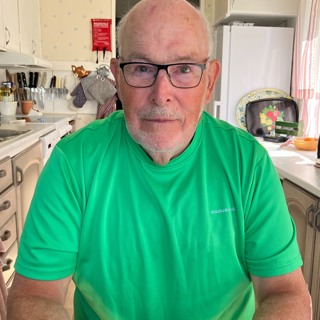
Det judiska Högalid #44 - Tom Granditsky

Det judiska Högalid #44 - Tom Granditsky

- Man ska väl inte prata skit om sin mamma, men när jag var liten och skrek kunde hon säga till pappa: “Ta hand om honom nu, det är du som ville ha honom”, säger Tom Granditsky. - Det är väl inte så r...

29 Mai 1h 49min

Populært innen Fakta

fastlegen
dine-penger-pengeradet
relasjonspodden-med-dora-thorhallsdottir-kjersti-idem
foreldreradet
mikkels-paskenotter
rss-kunsten-a-leve
treningspodden
rss-strid-de-norske-borgerkrigene
sinnsyn
gravid-uke-for-uke
rss-sarbar-med-lotte-erik
tomprat-med-gunnar-tjomlid
hverdagspsyken
rss-var-forste-kaffe
fryktlos
dopet
tid-for-historie
hva-er-greia-med
rss-kunstig-intelligens-med-elisabeth-maren-og-morten
babyverden